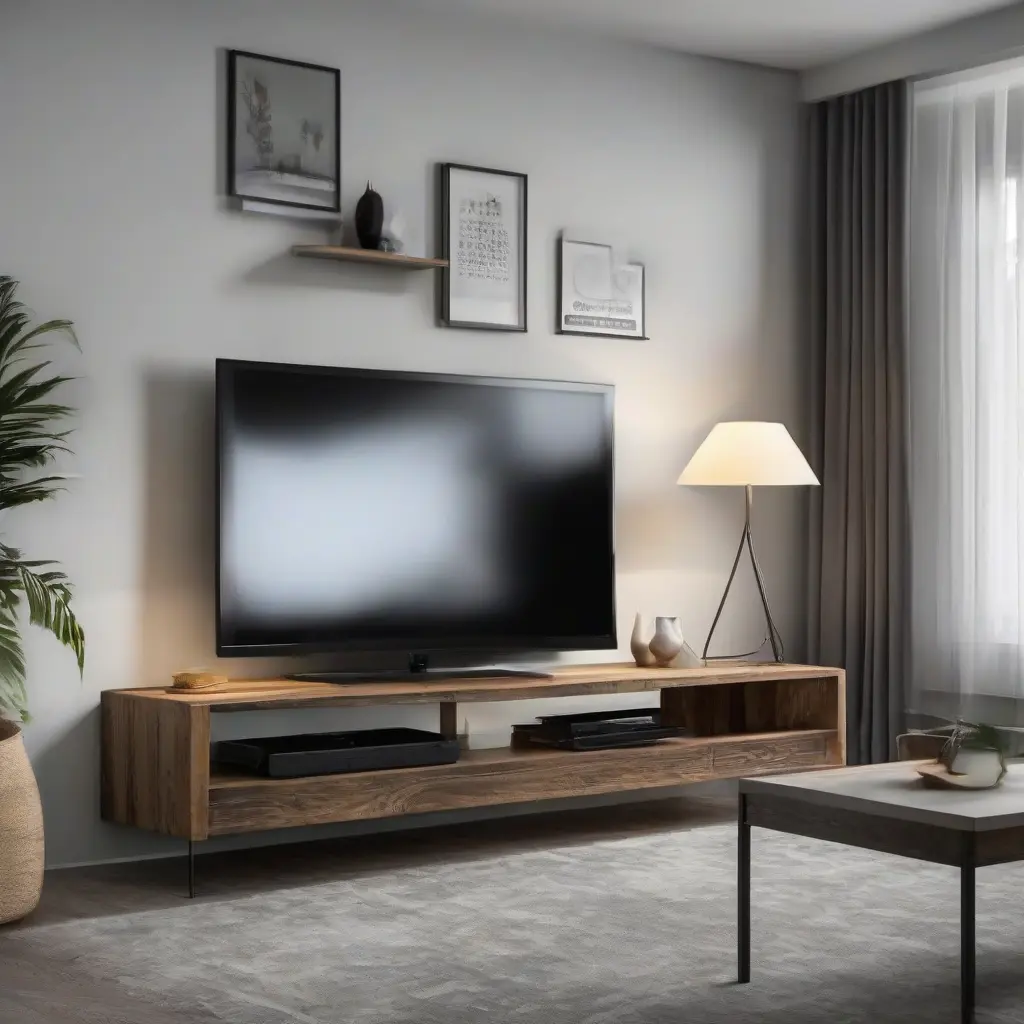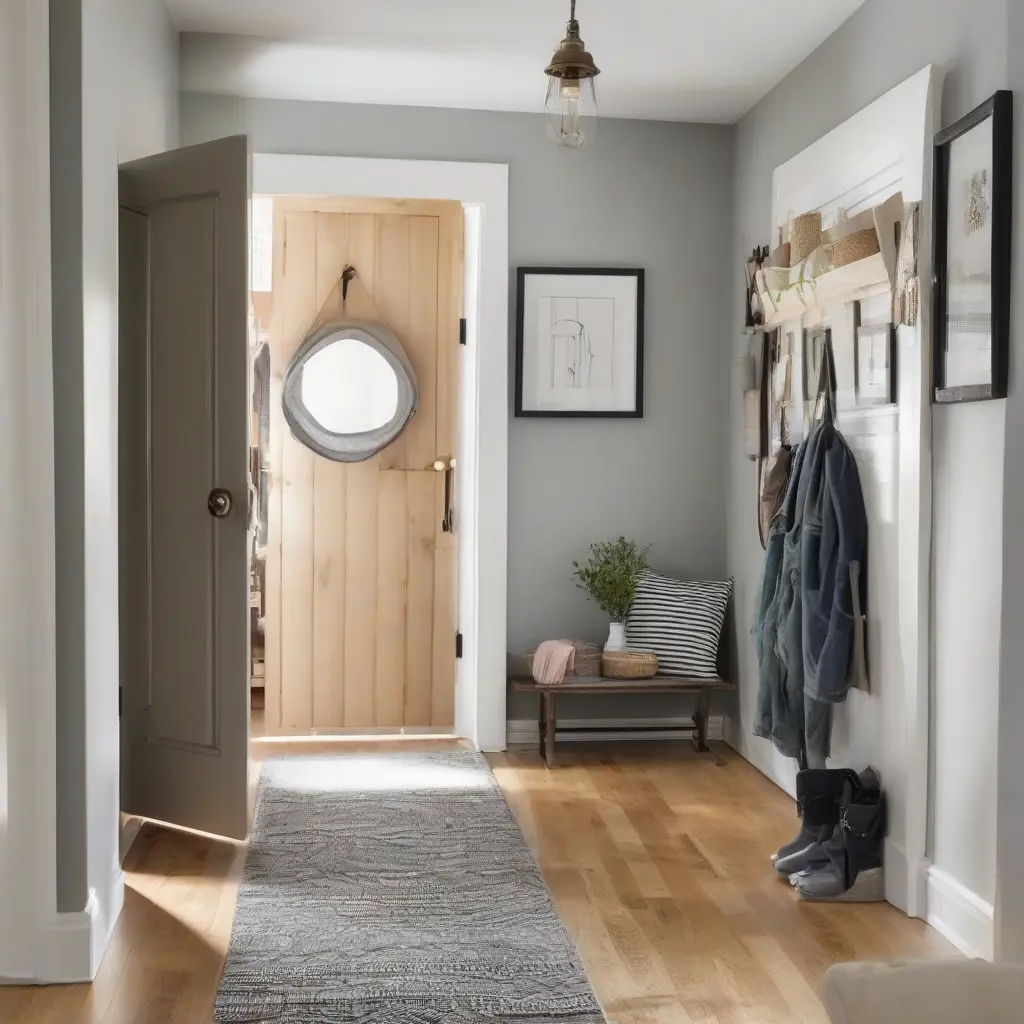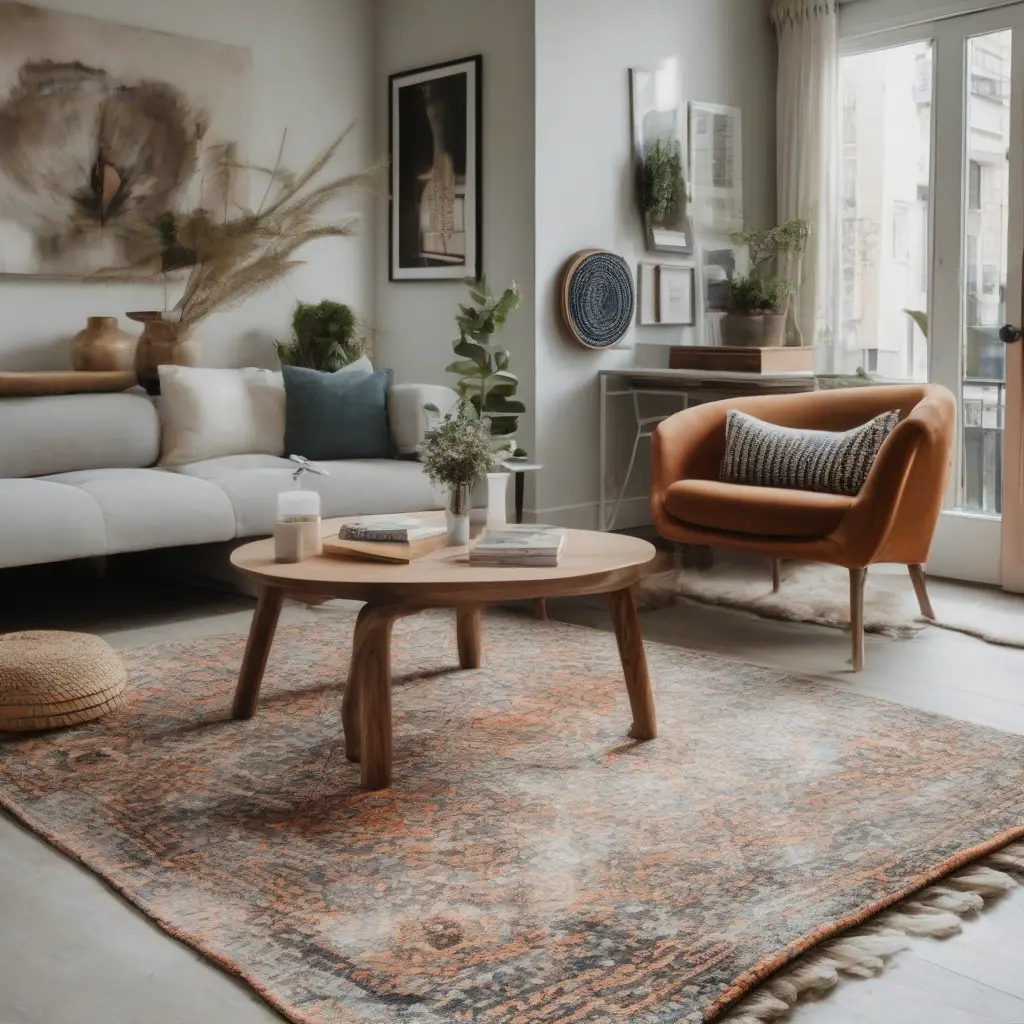
Defining spaces in small rooms can be a challenge, but using rugs is an effective solution. Rugs not only add warmth and texture but also help segment areas, visually expanding a room while providing a cozy atmosphere. By carefully choosing the right size, shape, and placement of rugs, you can create distinct zones for different activities such as lounging, dining, and working. Whether you are in a studio apartment or a small home office, utilizing rugs strategically will enable you to maximize your space and enhance your interior design.
Choosing the Right Size Rug
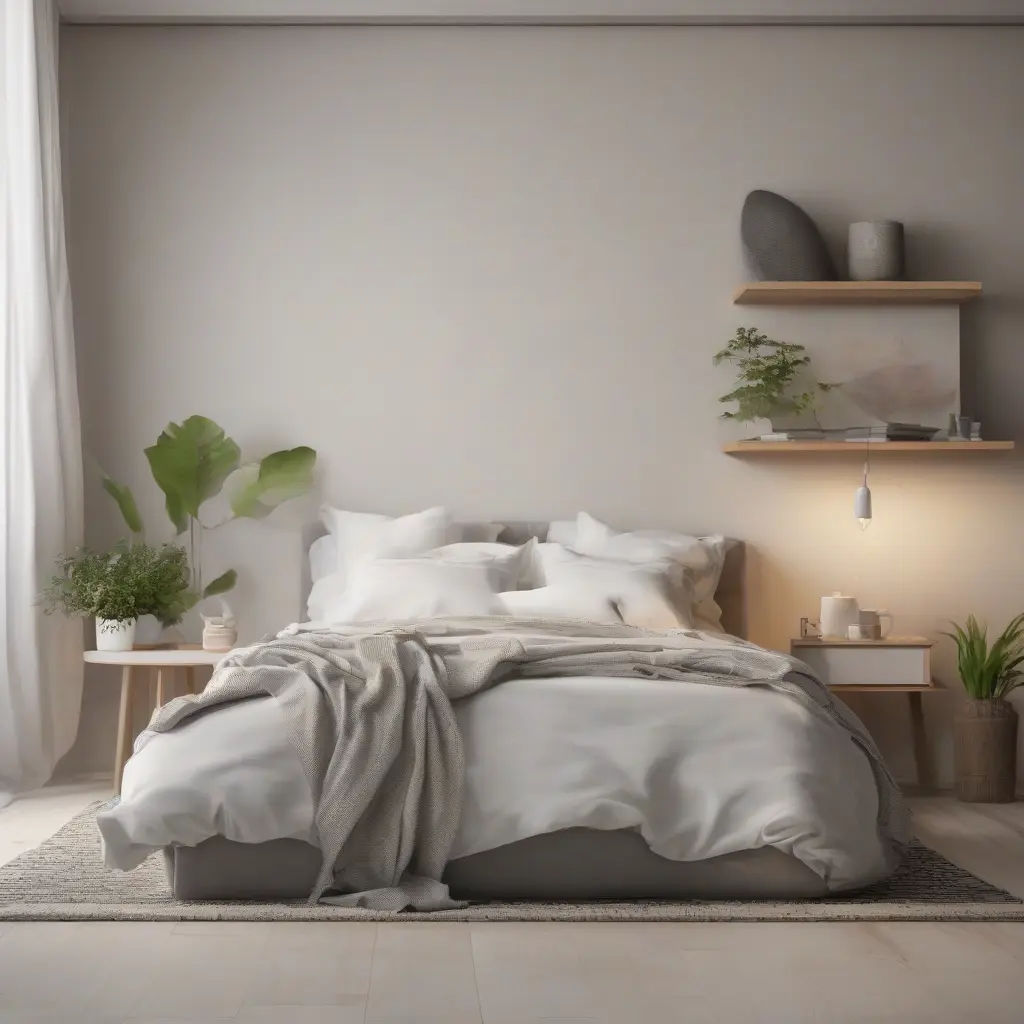
Selecting the appropriate size rug is crucial for defining spaces in small rooms. Ideally, a rug should fit within the boundaries of the designated area without overwhelming it. For instance, in a living room, a rug should ideally allow the front legs of the furniture to rest on it, creating a unified look. In smaller bedrooms, a smaller area rug can be placed right beside the bed, enhancing the feeling of spaciousness while providing comfort. Measuring your space accurately before purchasing a rug will ensure it fits perfectly, optimizing both aesthetics and functionality.
Opting for Shapes and Patterns
The shape and pattern of a rug play a significant role in defining spaces. Round rugs can soften the edges of square or rectangular rooms, creating an intimate atmosphere ideal for seating areas. Meanwhile, larger rectangular rugs can delineate sprawling living spaces effectively, grounding furniture layouts. Furthermore, patterns can be used strategically; bold designs can draw attention to a particular area, while subtle designs help maintain a cohesive look. Choosing the right shape and pattern not only enhances design but also contributes to the overall functionality of small rooms.
Layering Rugs for Depth
Layering rugs is a stylish technique to create depth and interest in small rooms. By placing a larger neutral rug beneath a smaller, more vibrant area rug, you can establish a multi-dimensional atmosphere. This method allows for creativity in color and texture while retaining the original character of the room. Layering works exceptionally well in transitional spaces like living and dining areas, where different zones require definitions yet should harmoniously coexist. Ensure that the colors and patterns complement each other to achieve an inviting and sophisticated look.
Utilizing Rugs to Separate Functions
In small spaces, defining separate functions with rugs can enhance usability and style. For example, in a studio apartment, a rug can anchor a sleeping area, visually separating it from the living space. Similarly, in a home office, position a rug beneath your desk to create a distinct work zone, delineating it from the relaxation area. Using different rug styles for each function not only aids in spatial definition but also reflects personal taste, creating an atmosphere where each zone feels intentional and inviting.
Selecting the Right Material
The material of a rug plays an essential role in both style and practicality, especially in small rooms. Natural fibers like cotton and jute are great options as they are lightweight and breathable, allowing spaces to feel airy. Alternatively, plush materials, such as wool, provide warmth and comfort but may require more maintenance. It’s vital to consider the room’s usage to choose the right material for the rug. For high-traffic areas, durable materials that withstand wear and tear are advisable. Ultimately, the right material enhances the rug’s function while adding to the room’s overall aesthetic.
Enhancing Color Schemes with Rugs
Rugs can significantly influence the color scheme of a small room, either by complementing existing colors or introducing new ones. A vibrant rug can serve as a focal point, drawing attention and energizing the space, while neutral tones can create a calm, cohesive look. When choosing a rug color, consider the room’s palette; selecting a rug that ties in with the wall colors or furniture can enhance harmony within the space. Using rugs to enhance or introduce color allows for easy adjustments to your room’s decor without undertaking significant renovations.
Creating Visual Flow
Maintaining visual flow in small spaces is essential for making them feel larger and more cohesive. Rugs can help create this flow by linking different areas together through color and pattern consistency. For instance, placing a similar-themed rug in adjoining rooms ensures a sense of continuity. Furthermore, aligning rugs with pathways, such as hallways or the transitions between rooms, guides the eye naturally through the space. This strategy creates an inviting atmosphere while effectively reducing visual clutter, enhancing the overall appeal of your small room.
Rug Placement Techniques
Correct rug placement is crucial for defining spaces effectively. Positioning a rug centrally under furniture pieces can help anchor them, providing a sense of unity and order. In areas like dining rooms, the rug should extend beyond the table for a polished look, ensuring chairs remain on the rug even when pulled out. Conversely, in more casual settings, like a home office, the rug might be placed simply beneath a desk. Thinking through placement rules for different settings enhances both the functionality and design of a small room.
Maintaining and Caring for Rugs
Proper maintenance is essential to keep rugs looking their best, especially in small rooms where they are more likely to experience wear. Regular vacuuming is crucial for removing dirt, while occasional deep cleaning helps maintain appearance and longevity. Additionally, consider placing rugs in low-traffic areas or layering them to protect more delicate designs. Using rug pads can prevent slipping and improve comfort, which is especially beneficial in smaller spaces where stability and safety are priorities. A clean and well-maintained rug reflects a cohesive design and contributes positively to your living environment.
Conclusion
Using rugs to define spaces in small rooms is an effective strategy that enhances both functionality and style. By carefully selecting size, shape, material, and placement, you can create distinct areas that feel cohesive yet personalized. From adding warmth with layered designs to employing color for visual interest, rugs are versatile elements that elevate any small room. Investing thought into these details not only maximizes your space but also transforms your living environment into a stylish, well-defined retreat.