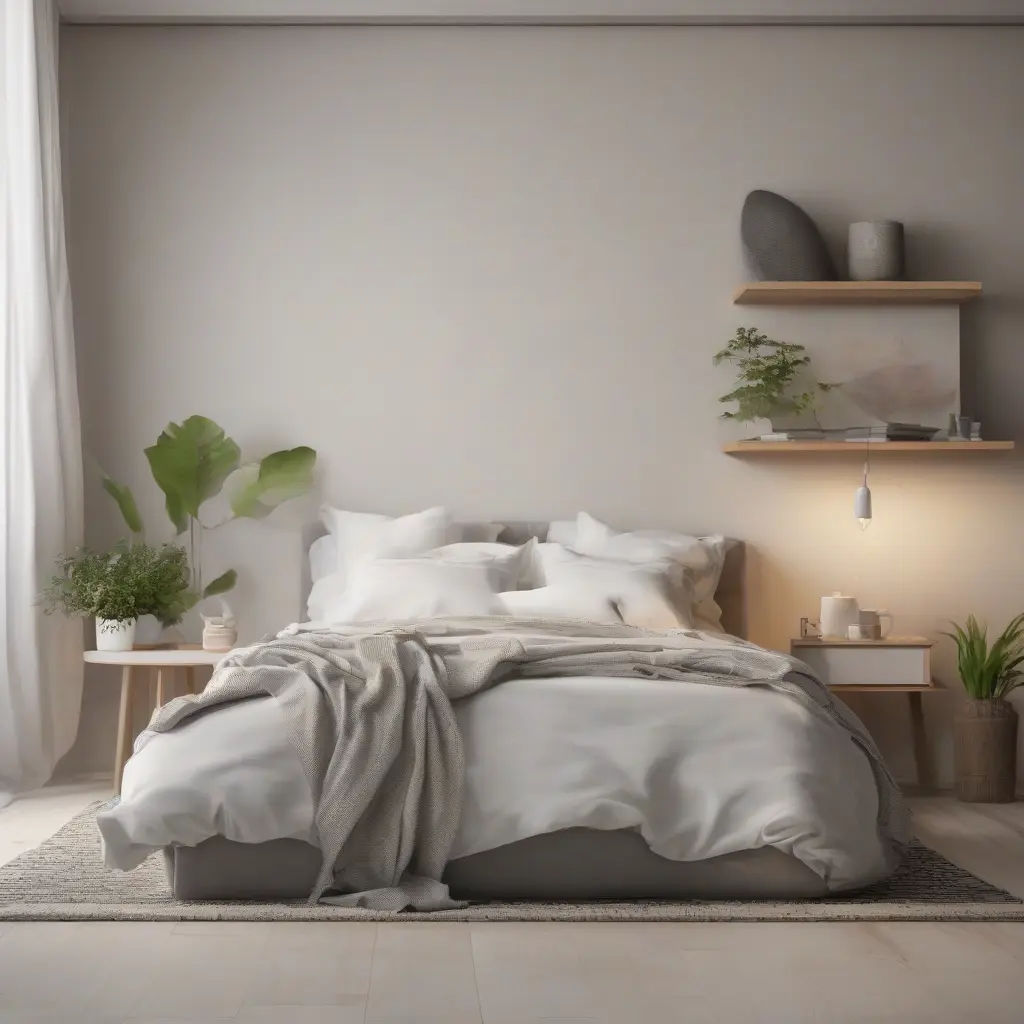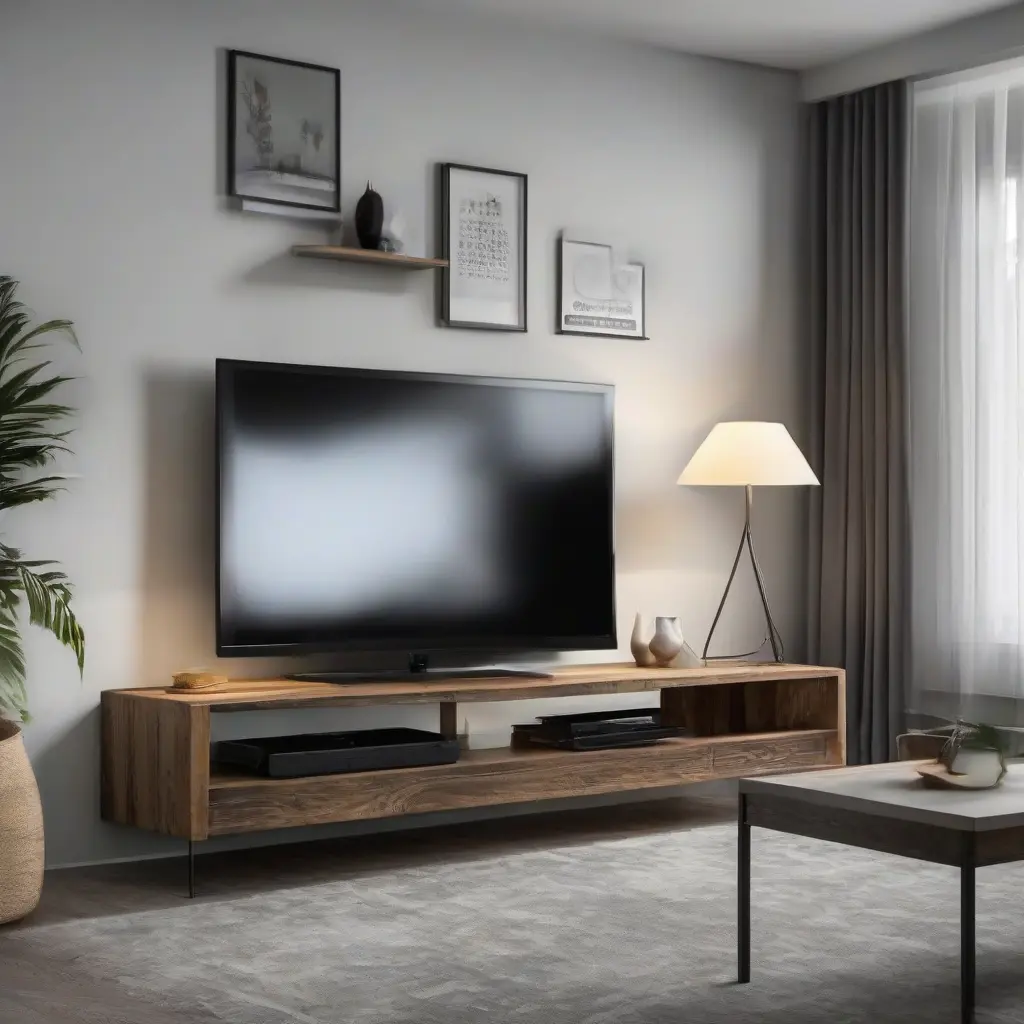
Choosing the right color palette for your living room can transform the space into a harmonious and inviting area. Colors heavily influence our emotions and perceptions, which makes selecting them a crucial step in interior design. Whether you prefer a cozy and warm atmosphere or a cool and refreshing feel, understanding the impact of colors can guide your decision. This article will provide essential tips, psychological effects of colors, and practical suggestions to help you curate the perfect palette that suits your personal style and functional needs.
Understand the Psychology of Colors
Before selecting a color palette, it is vital to understand the psychology behind different colors. Colors evoke various feelings and responses; for example, blue is often associated with calmness and tranquility, making it ideal for relaxation. Conversely, warm hues like red and orange can generate energy and passion. By understanding these associations, you can strategically choose colors that align with the atmosphere you wish to create in your living room.
Consider Existing Furnishings
When choosing a color palette, it is essential to take your existing furnishings into account. The color of your sofa, curtains, and decorative elements can significantly influence your choices. Instead of starting from scratch, identify shades that complement your current pieces. For harmonious design, consider selecting a cohesive color that enhances your existing decor while allowing for some variations in tone and depth to create visual interest.
Choose a Color Scheme
Deciding on a cohesive color scheme can streamline your selection process. Common approaches include monochromatic, analogous, and complementary schemes. Monochromatic schemes involve variations of a single color, which creates a unified and sophisticated look. Analogous schemes utilize colors that are next to each other on the color wheel, lending a harmonious vibe. Complementary schemes bring together opposing colors, resulting in a vibrant and dynamic feel. Each approach can enhance your living room’s visual appeal based on your overall design intentions.
Test Colors with Samples
Once you’ve narrowed down your options, testing the colors with samples is critical. Apply paint swatches to the walls and observe how they look at different times of the day. Lighting can dramatically change how colors appear, affecting your final choice. Incorporating fabric samples or colored accessories alongside the wall colors will help you visualize the overall effect. Taking the time to explore these samples ensures you select a color that resonates well within your space.
Factor in Natural Light
The amount of natural light your living room receives will affect how colors appear throughout the day. Rooms with ample sunlight may benefit from softer hues, which can help to maintain a balanced feel. Conversely, darker rooms might be enhanced with brighter, more vibrant colors to evoke energy and warmth. Consider the orientation of your windows and how light enters your space when selecting color options to ensure they complement the natural lighting.
Create a Focal Point
Creating a focal point within your living room can add depth and interest to your design. A feature wall painted in a bold color or adorned with patterned wallpaper can serve as an eye-catching element that draws attention. When selecting colors for a focal point, ensure they harmonize with the surrounding palette. This focal area can be emphasized further with strategic lighting or decorative accessories, enhancing the overall aesthetic of the living room.
Incorporate Accent Colors
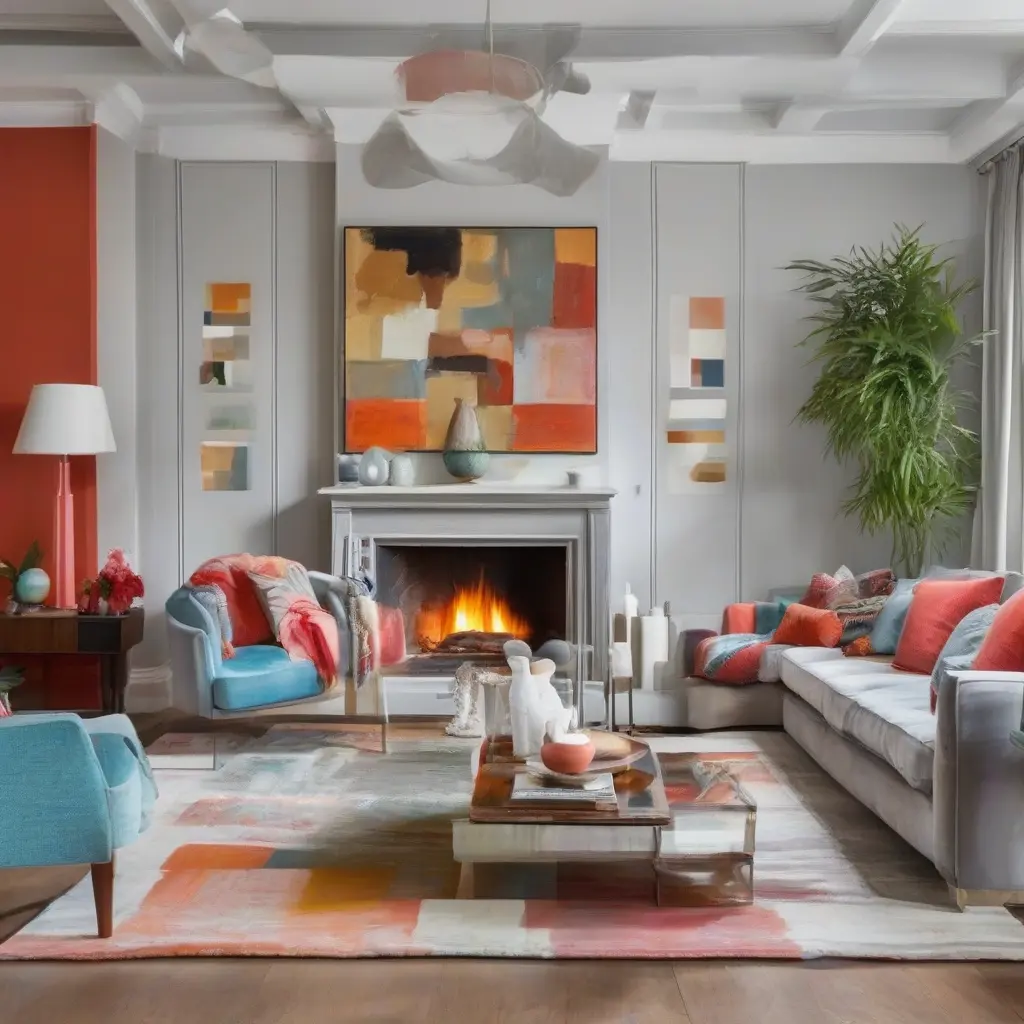
Accent colors provide an opportunity to introduce contrast and energy into your living room while maintaining a cohesive overall palette. These colors can be used in throw pillows, artwork, and decorative accessories, adding layers to the design. When selecting accent colors, consider using hues that complement your primary palette, either by matching or creating contrast to add visual intrigue. This strategy not only enriches the overall look but also allows for flexibility in updating your decor.
Define Your Style
Your personal style should play a significant role in your color choices. Whether you lean towards modern, traditional, or eclectic aesthetics, ensure that your selected palette reflects your tastes. Collect inspiration from different sources, including magazines or online platforms, to identify color schemes that resonate with you. By staying true to your style while incorporating current trends, you can create a living room that feels authentic and inviting.
Consider Seasonal Changes
Seasons can influence the mood and character of your living space. Lighter, pastel colors are often preferred in spring, while warmer tones may align better with autumn. When choosing a color palette, consider if you’d like to make minor adjustments throughout the year. Using adaptable accessories like throw blankets or curtains can help freshen up the space seasonally while keeping the main color scheme intact.
Seek Professional Guidance
If you’re feeling overwhelmed by choices, seeking professional guidance can be beneficial. Interior designers have a wealth of experience in color theory and can provide tailored advice based on your preferences and space requirements. They can help to streamline the selection process and suggest combinations you might not have initially considered. Hiring a professional can also save you time and potential costly mistakes, helping to achieve the desired ambiance effectively.
Conclusion
Selecting the right color palette for your living room can significantly enhance your space’s aesthetic and emotional appeal. By understanding color psychology, considering your furnishings, and testing samples, you can create a harmonious environment that reflects your style and caters to your needs. Remember to factor in natural light and include accent colors for added dimension. Ultimately, your living room should be a comfortable and welcoming haven that resonates with you and those who enter.