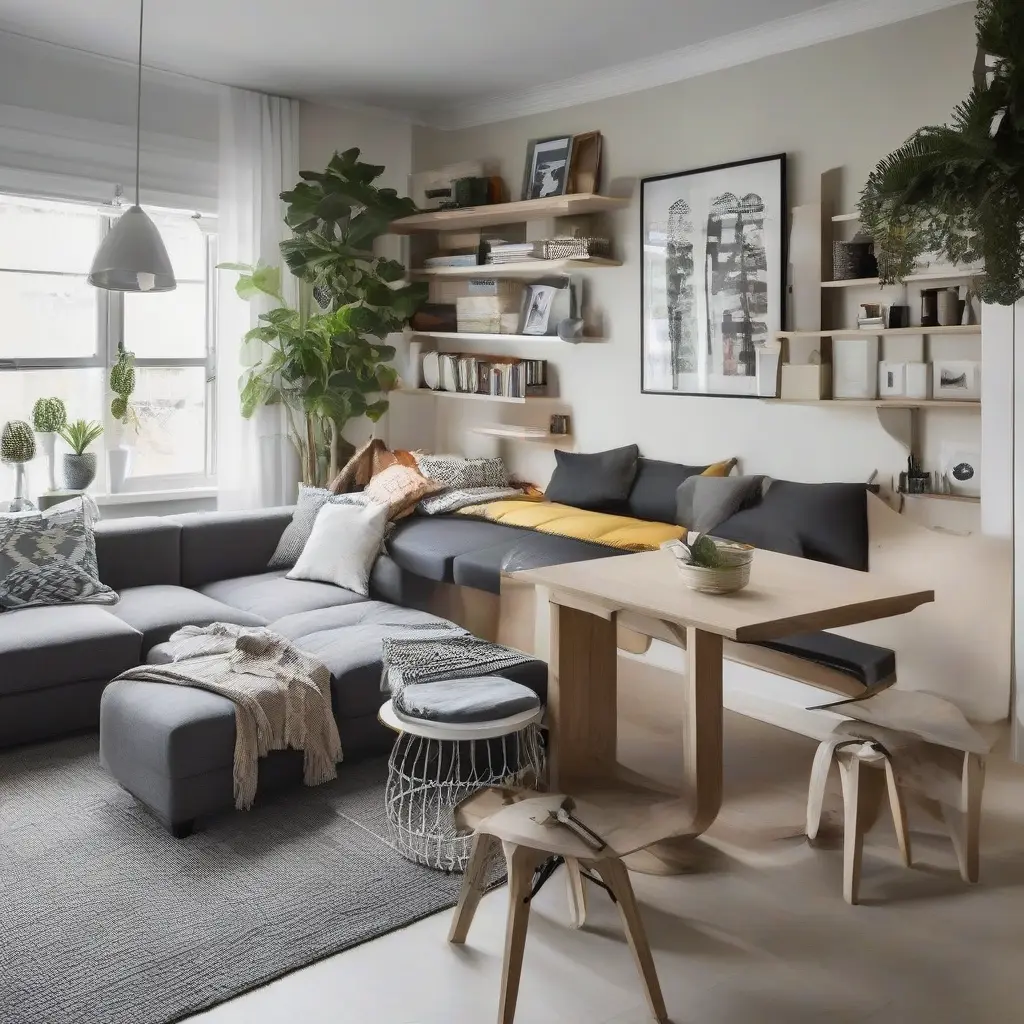
In today’s urban environment, small living spaces are becoming increasingly common. Choosing the right furniture is essential for maximizing comfort and functionality in tight quarters. Multi-functional furniture offers solutions that can save space while providing necessary functions. This article aims to provide expert tips on selecting versatile furniture that meets both your needs and aesthetic preferences, transforming your small area into a stylish and practical home.
Assess Your Space
Before selecting multi-functional furniture, it’s crucial to assess the layout and dimensions of your living space. Measure the room accurately to determine the available area for furniture placement. Consider the flow of movement, ensuring that your selections won’t obstruct pathways. A well-thought-out layout helps in visualizing how different pieces will fit, allowing you to choose furniture that complements the existing space without overwhelming it.
Determine Your Needs
Understanding your specific needs is a key factor in choosing multi-functional furniture. Identify how you intend to use your living space daily and which functions are most important to you. For instance, if you need extra sleeping space for guests, consider a sofa bed or a daybed. If you enjoy hosting, a coffee table that doubles as storage can keep your area clutter-free.
Prioritize Quality and Durability
When investing in multi-functional furniture, prioritize quality and durability to ensure that your pieces stand the test of time. Look for well-constructed items made from sturdy materials that can endure regular use. Check online reviews and ratings to gauge the reliability of the furniture. While it might be tempting to choose cheaper options, investing in quality will save you money and hassle in the long run.
Focus on Versatile Designs
Versatile designs are essential when selecting multi-functional furniture. Look for pieces that can adapt to various functions, such as ottomans that serve as seating, storage, and footrests. Additionally, modular furniture allows you to adjust configurations as your needs change. This adaptability ensures that when your lifestyle evolves, your furniture can easily accommodate those new requirements.
Choose the Right Style and Color
The style and color of your multi-functional furniture can significantly impact a small living space. Opt for neutral colors that can blend seamlessly with your decor, creating an illusion of spaciousness. Light colors, such as pastels or whites, can reflect light and make a room feel larger. Additionally, minimalist designs with clean lines help maintain an open and airy atmosphere, enhancing the overall aesthetic of your home.
Consider Space-Saving Features
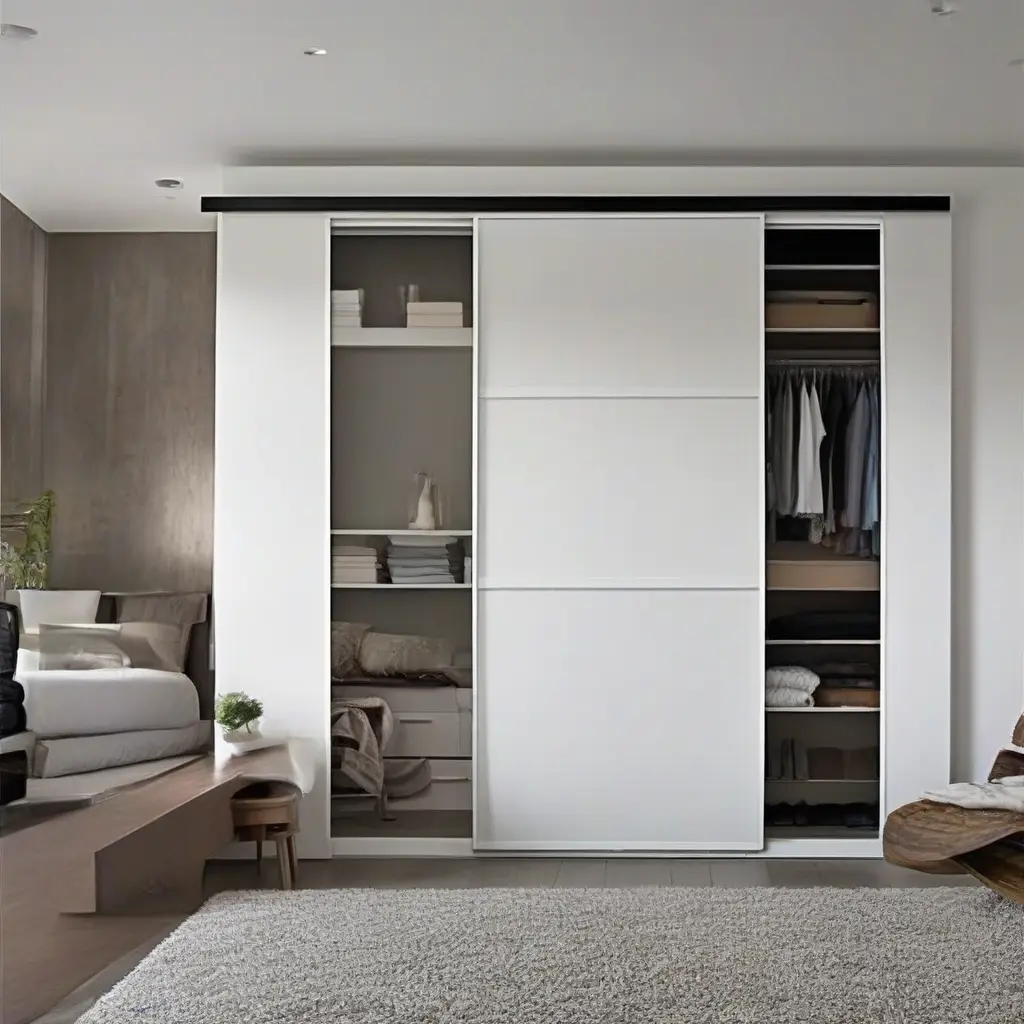
Look for multi-functional furniture that incorporates space-saving features. Pieces with built-in storage, such as shelves, drawers, or hidden compartments, can eliminate clutter and optimize your living area. Extendable tables or collapsible chairs can also provide flexibility, allowing you to adjust seating and dining arrangements based on the number of people using the space at any given time.
Explore Multi-Purpose Solutions
Consider multi-purpose solutions that cater to various functions to further maximize your small living space. For example, a coffee table that can elevate to dining height serves dual purposes and conserves space. Murphy beds that fold against the wall when not in use can liberate valuable floor space. Such innovative designs transform small areas into functional living environments without sacrificing style.
Incorporate Personal Touches
While functionality is crucial, don’t forget to incorporate personal touches in your multi-functional furniture choices. Adding decorative elements that reflect your personality can enhance the space aesthetically. Use colorful pillows or throws on a sofa bed, or choose a unique bookshelf that showcases your favorite books and art. Personalizing your furniture helps create a homey atmosphere while maintaining the practical benefits of multi-functional design.
Plan for Future Needs
It’s also wise to consider future needs when selecting multi-functional furniture. As life circumstances change, you may require different functionality from your furniture. Opt for items that are not specific to your current situation, allowing for adaptability. A versatile sofa that can accommodate a growing family or a storage solution that can evolve with your possessions will ensure you remain satisfied with your choices long-term.
Utilize Vertical Space
Small living spaces can benefit greatly by utilizing vertical space through multi-functional furniture. Tall bookshelves, wall-mounted desks, or overhead cabinets can draw the eye upward, creating the illusion of greater height and openness. This strategy not only frees up valuable floor space but also provides additional storage and functionality, maintaining a clutter-free environment without sacrificing your personal style.
Experiment with Layouts
Experimenting with different layouts can also help find the most efficient arrangement for multi-functional furniture. Moving furniture around allows you to discover what works best for your space. Trying out various configurations can lead to improved traffic flow and a more balanced aesthetic, ensuring your living area is both functional and inviting. Visualizing the arrangement can also assist in making informed decisions about your furniture choices.
Explore Smart Technology
Incorporating smart technology into your multi-functional furniture can enhance convenience in small spaces. For example, smart tables with built-in wireless charging capabilities or sofas with integrated speakers can streamline activities and reduce clutter. Embracing technology not only improves functionality but also adds a modern touch to your living space, catering to both comfort and tech-savvy preferences.
Check for Warranty and Return Policies
Before finalizing your purchase of multi-functional furniture, check for warranty and return policies. A robust warranty indicates the manufacturer’s confidence in their product, providing peace of mind for durability. Additionally, a flexible return policy protects your investment, allowing you to exchange or return pieces that might not meet your expectations after you’ve integrated them into your space.
Conclusion
Choosing multi-functional furniture for a small living space is a strategic decision that can enhance both functionality and style. By assessing your needs, focusing on quality, and embracing creative designs, you can transform your living area into a versatile and inviting home. Careful planning ensures that your choices support an adaptable lifestyle, making the most of every square inch available.