Creating an illusion of height in small rooms can transform the overall feel of the space, making it appear larger and more open. With clever design choices and strategic decor, you can elevate walls and ceilings in a way that draws the eye upwards. From selecting the right paint colors to choosing vertical furniture and decor elements, there are various methods to achieve this effect. This article will explore numerous ideas and techniques for maximizing vertical space while maintaining a cohesive and stylish small room aesthetic.
Opt for Vertical Stripes
One of the most effective ways to create a sense of height in small rooms is by using vertical stripes on the walls. Vertical striped wallpaper or paint can visually elongate walls, drawing the eye upwards and giving the impression of taller ceilings. Choose colors that are light or neutral to enhance brightness, or go for bold colors to make a statement. This simple visual trick can dramatically change the perception of your room’s height without the need for extensive renovations.
Use Light Colors Wisely
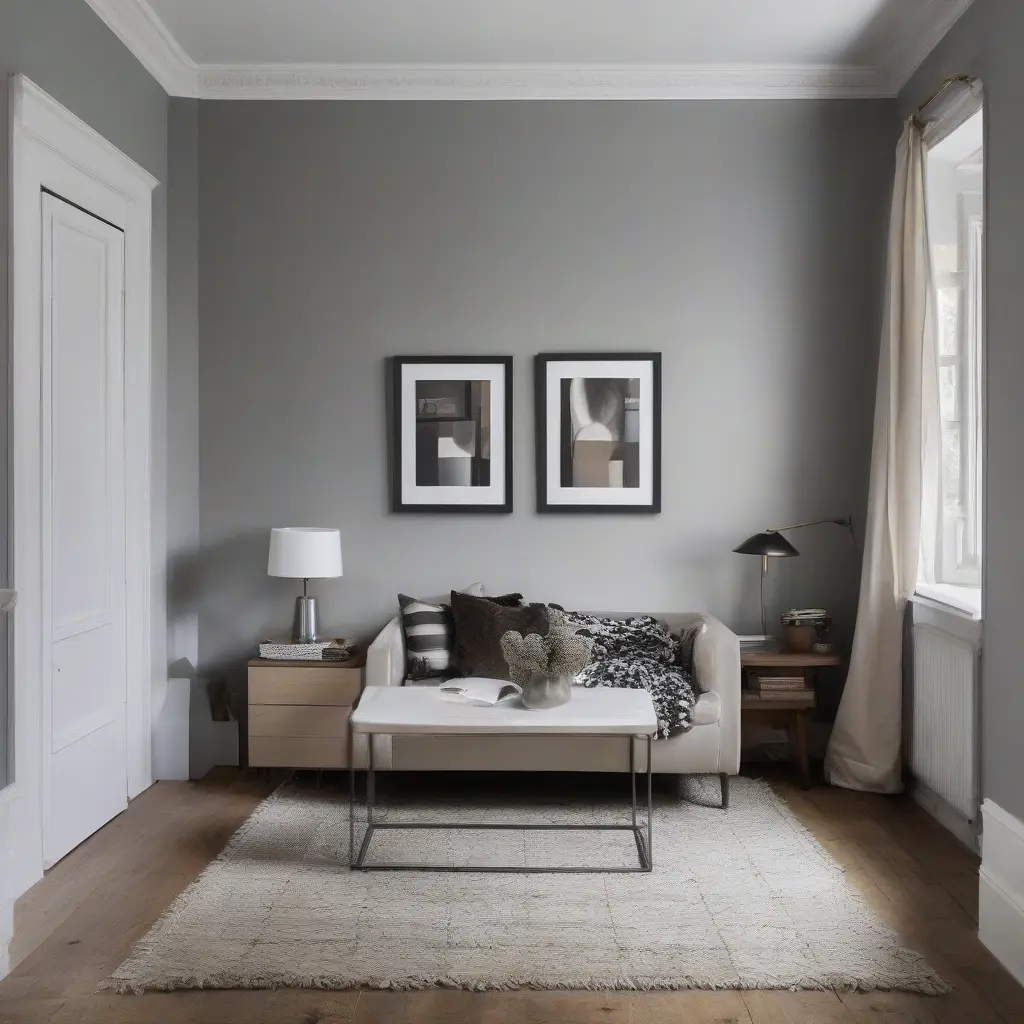
Light colors can significantly affect how spacious a room feels. Painting walls in light hues, such as soft whites, pastels, or gentle grays, allows natural light to bounce around the space. This not only enhances the feeling of openness but also creates a seamless transition from walls to ceiling, making them appear taller. Additionally, when choosing furniture, opt for lighter shades to maintain this airy atmosphere throughout the room.
Incorporate High Shelving
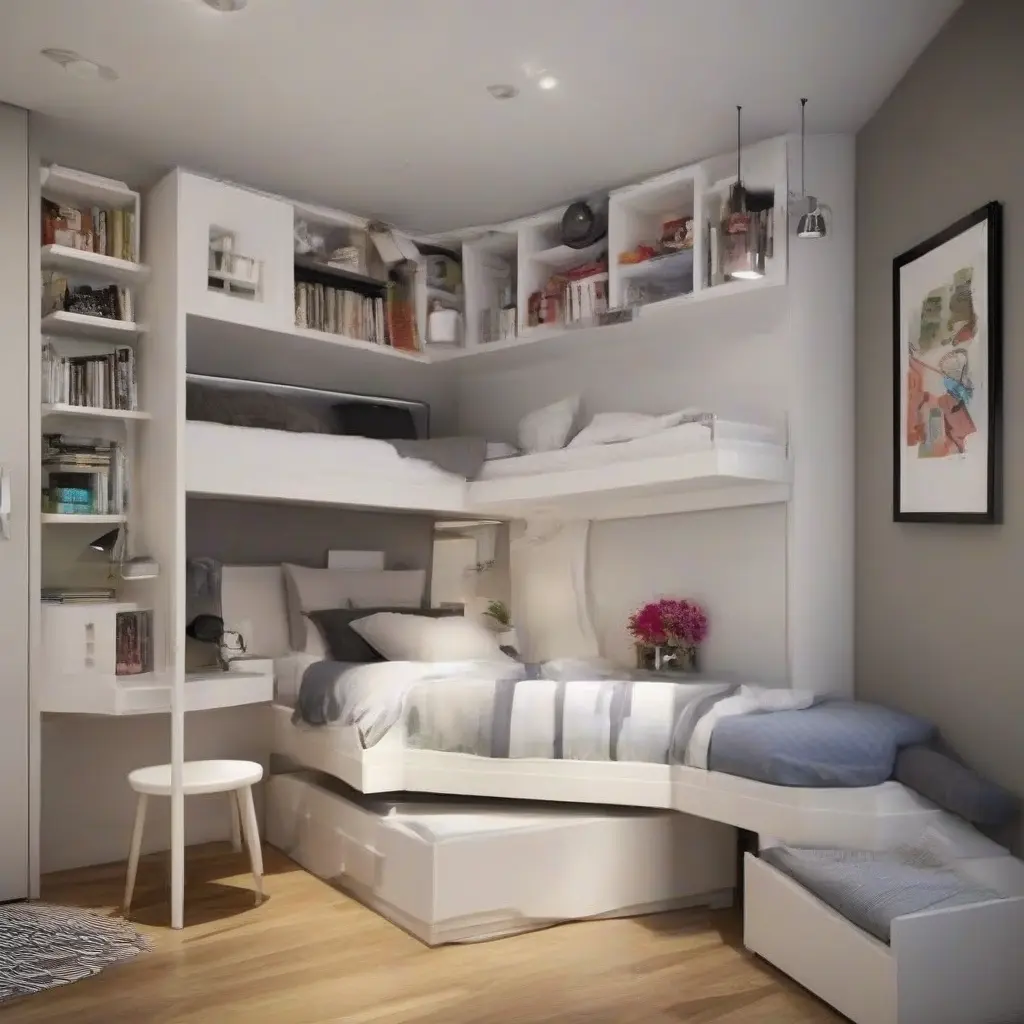
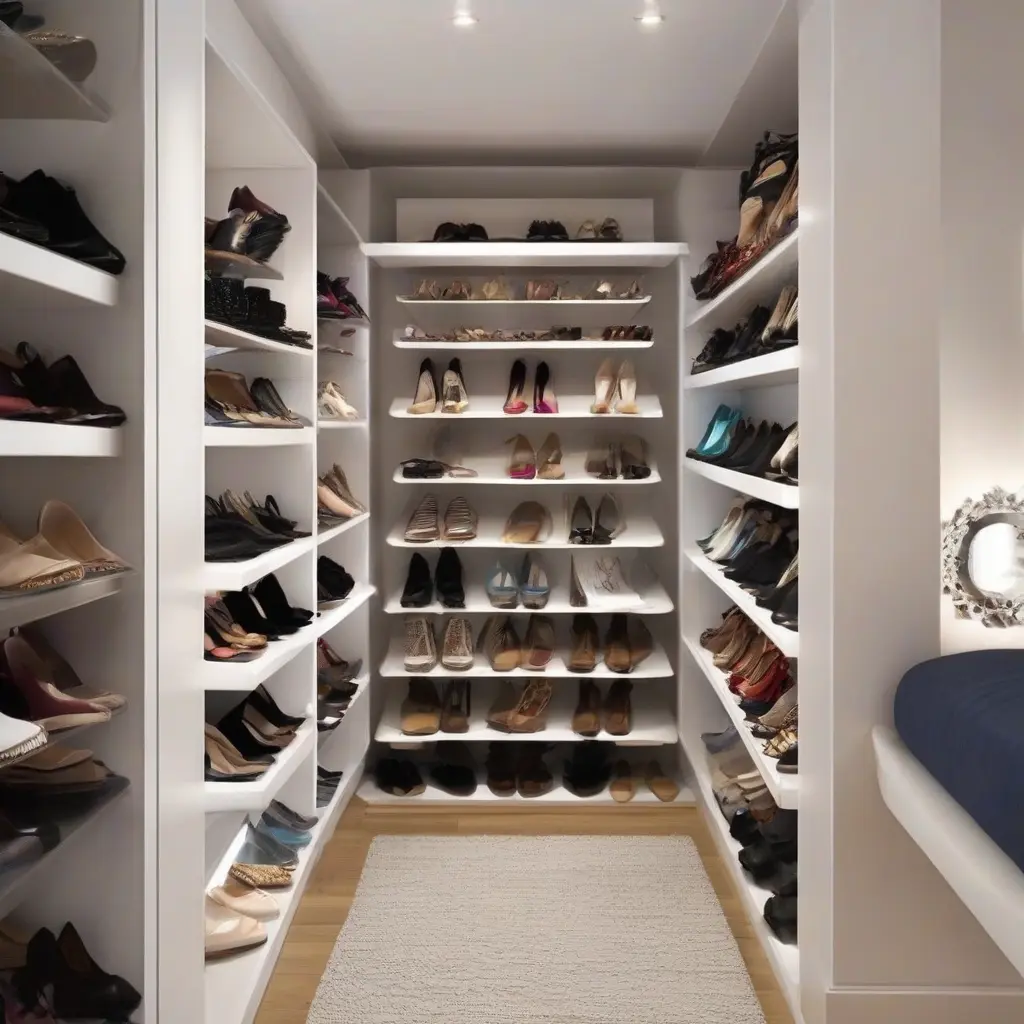
High shelving is an excellent way to draw the eye upward, creating an illusion of greater height. Shelving that reaches nearer to the ceiling not only maximizes storage space but also encourages verticality in the overall design. Consider using open shelves adorned with decorative items, plants, or books that can complement the room’s decor. This strategy offers functionality while also enhancing the perception of height and spaciousness.
Install Taller Furniture
Selecting taller furniture pieces can also contribute to the illusion of height in a small room. Opt for bookshelves or cabinets that extend close to the ceiling rather than bulky, low furniture. This not only utilizes vertical space effectively but also emphasizes the room’s height. Ensure that the scale of your furniture remains proportional to the room size, maintaining balance and aesthetic appeal while focusing on vertical lines.
Choose Minimalistic Decor
Minimalistic decor emphasizes simplicity and clean lines, which can enhance the illusion of height. Cluttered spaces can feel smaller and more cramped, while minimalism draws focus to the vertical aspects of the room. Selecting a few well-placed decorative items or artwork can add personality without overwhelming the space. This approach allows walls and ceilings to feel more open, increasing the perceived height significantly.
Hang Curtains High
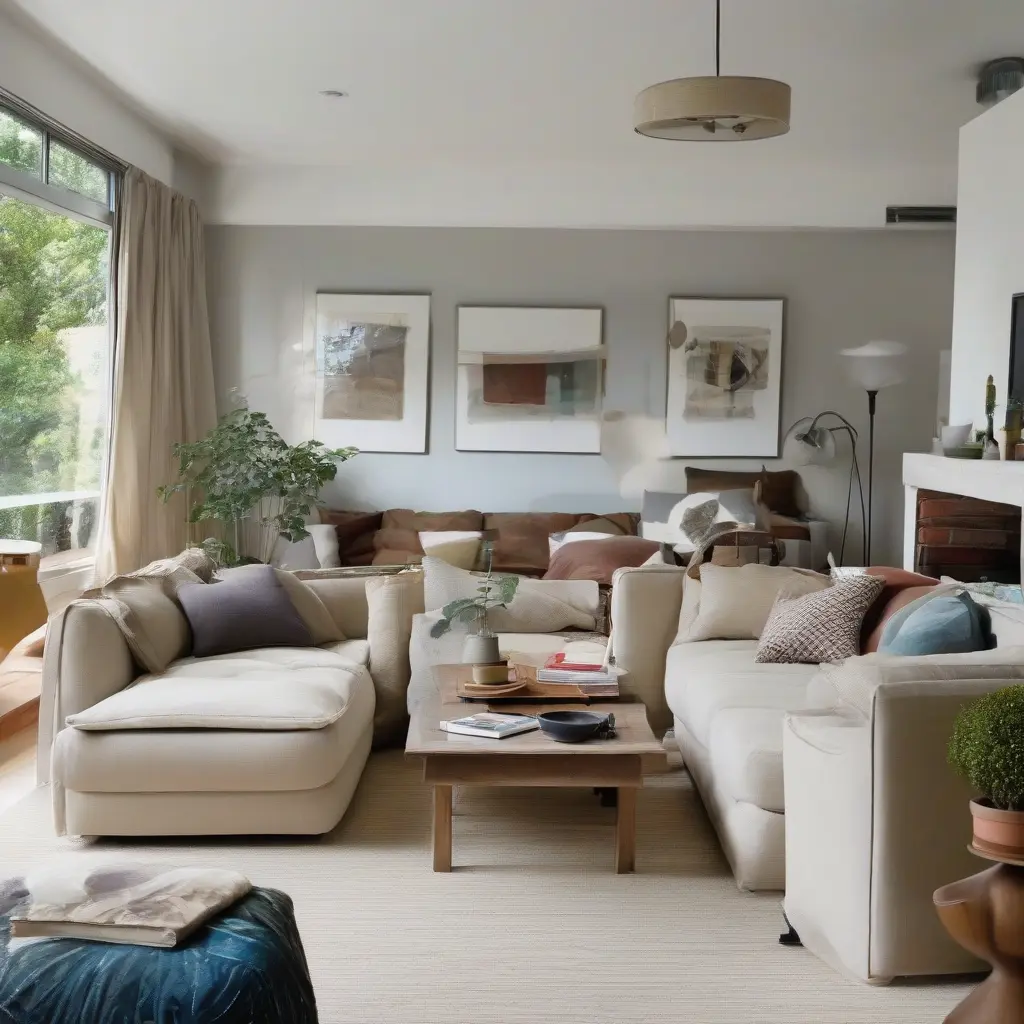
Hanging curtains closer to the ceiling instead of just above the window can create a dramatic effect, making the room feel taller. This technique elongates wall space, visually increasing the height of the windows. Choose floor-to-ceiling curtains in light fabrics to enhance natural light, contributing further to the feeling of openness. This simple adjustment can redefine your small room’s perception, making it feel more spacious and airy.
Consider Mirrors Strategically
Mirrors are powerful tools for creating the illusion of height in small rooms. Placing a large mirror opposite a window can reflect light and create depth, making the space feel larger than it is. Additionally, tall and narrow mirrors can be used to emphasize vertical lines, enhancing the room’s height. Incorporating reflective surfaces cleverly can illuminate the area while offering a stylish decor option.
Utilize Multilevel Lighting
A well-lit room appears bigger, and using multilevel lighting can accentuate height effectively. Instead of relying solely on overhead lighting, add wall sconces and floor lamps to distribute light at different levels throughout the room. This layered approach creates dynamic shadows and highlights vertical lines, making the room feel taller and more spacious. Pay attention to the color temperature of the bulbs to maintain a warm and inviting atmosphere.
Choose Lightweight Furniture
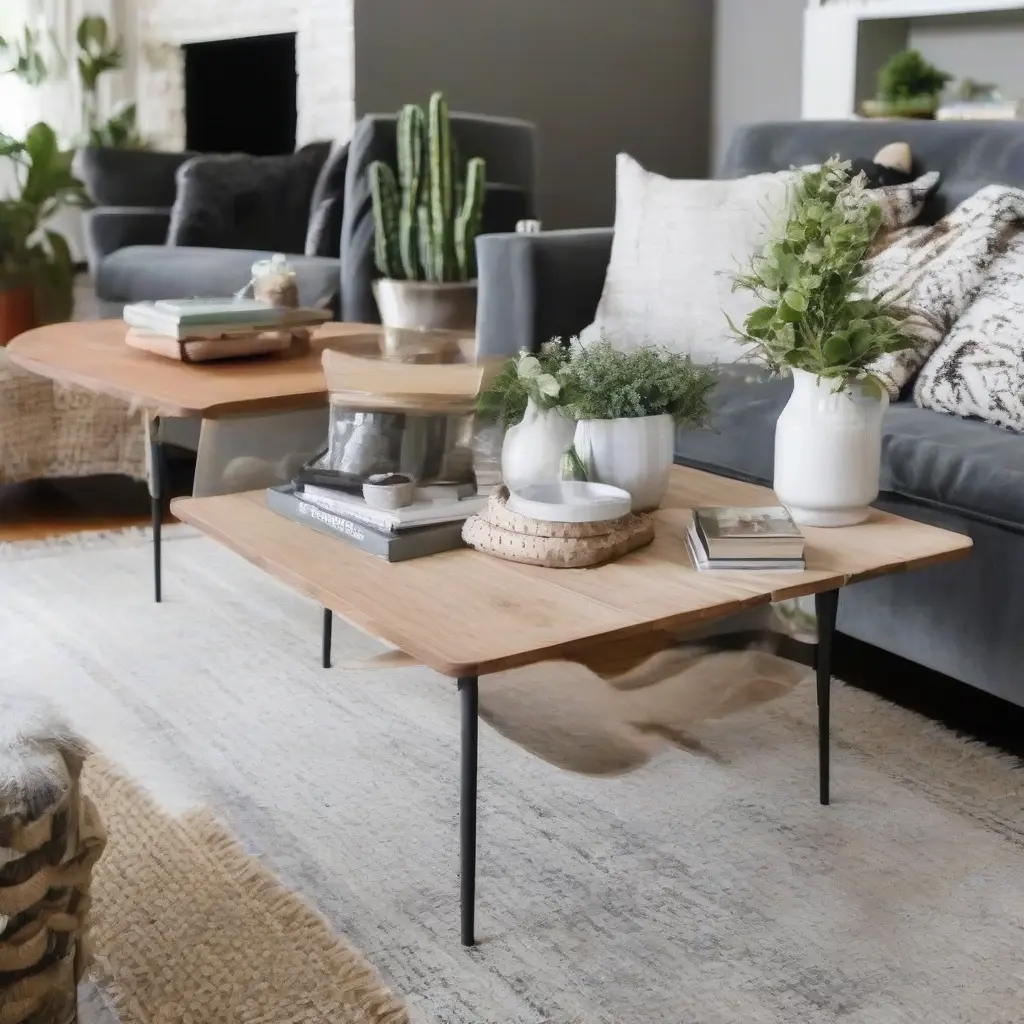
In small rooms, opting for lightweight furniture allows for greater flexibility and openness. Bulky pieces can overwhelm the space and close it off, while furniture that feels airy can keep the room feeling open. Look for designs with slender profiles or a minimalist aesthetic, as these options enhance verticality. Additionally, consider legs on furniture to allow more floor visibility, reinforcing the sense of height.
Incorporate Architectural Details
Adding architectural details such as crown molding or wainscoting can create interest and emphasize vertical space. These features draw the eye upward, enhancing the room’s overall height. When choosing architectural details, ensure they’re proportionate to the size of the room; overly elaborate designs in a small space may create visual clutter. Simple, clean lines often work best to maintain that open feeling while adding character.
Create an Open Layout
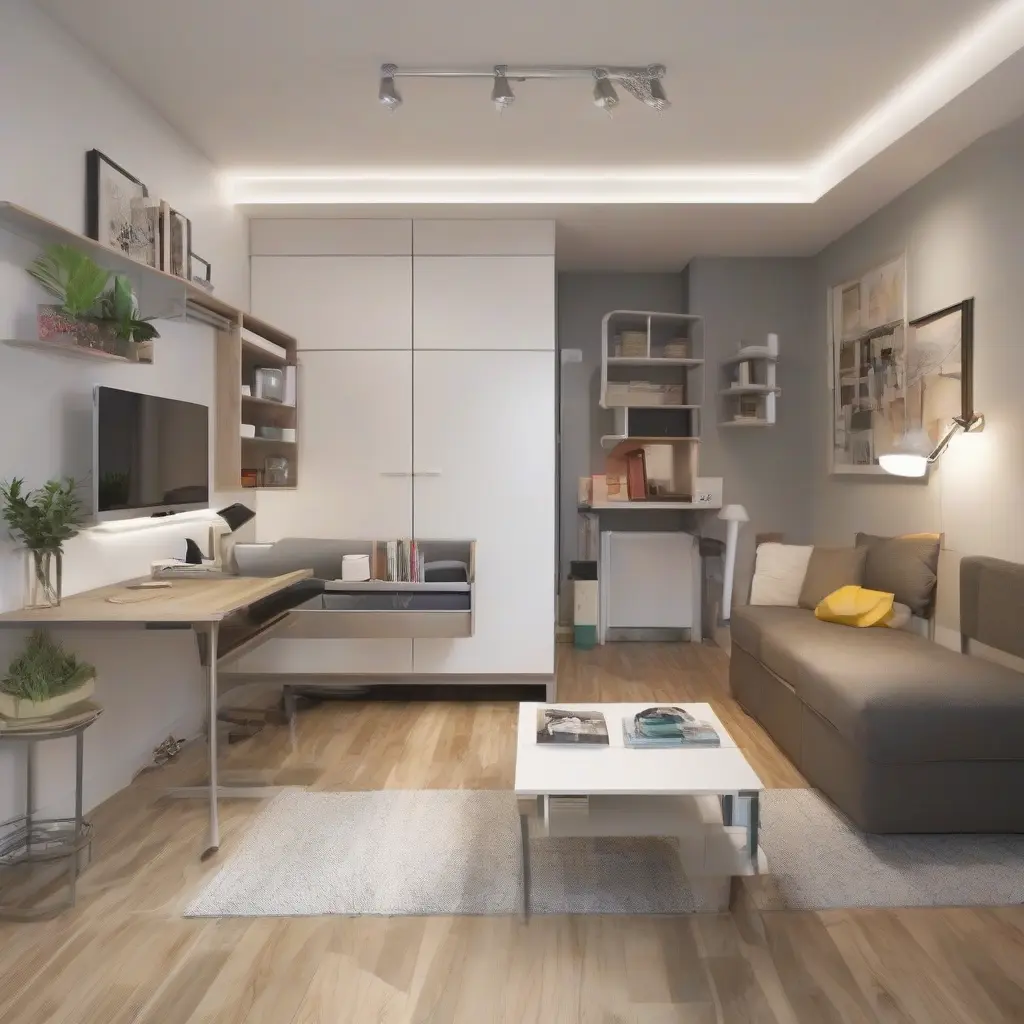
An open layout is vital in maximizing the perception of height in small rooms. By removing unnecessary barriers and keeping furniture strategically placed, you can foster a sense of flow that visually extends height. Choose multifunctional furniture that serves multiple purposes to reduce clutter and create a seamless environment. This layout encourages movement and openness, making your small space feel expansive.
Select Low-Profile Rugs
Selecting low-profile rugs can enhance the illusion of height by allowing more visible floor space. Thick, bulky rugs can visually weigh down the room, drawing the eye downward and making the ceiling feel lower. Instead, choose flatweave or low-pile options that maintain a light and airy feel. This small adjustment can significantly impact the overall perception of room size and height, contributing to a more spacious atmosphere.
Opt for Wall-Mounted Fixtures
Wall-mounted fixtures, whether they are shelves, lighting, or even decor, can keep floors clear and draw attention to the vertical dimensions of the room. By utilizing wall space, you maintain an open floor plan, creating a sense of height. This approach also allows for versatility in decor, as you can change items easily without cluttering horizontal surfaces. Wall-mounted elements free up valuable space while enhancing the overall aesthetic.
Conclusion
In conclusion, creating an illusion of height in small rooms involves a combination of strategic design choices, color schemes, and furniture selection. By utilizing techniques such as vertical lines, light colors, and thoughtful decor, you can significantly transform the feel of your space. Embracing these design principles allows you to maximize vertical potential, making your small room feel larger and more inviting, ultimately leading to a more satisfying living environment.