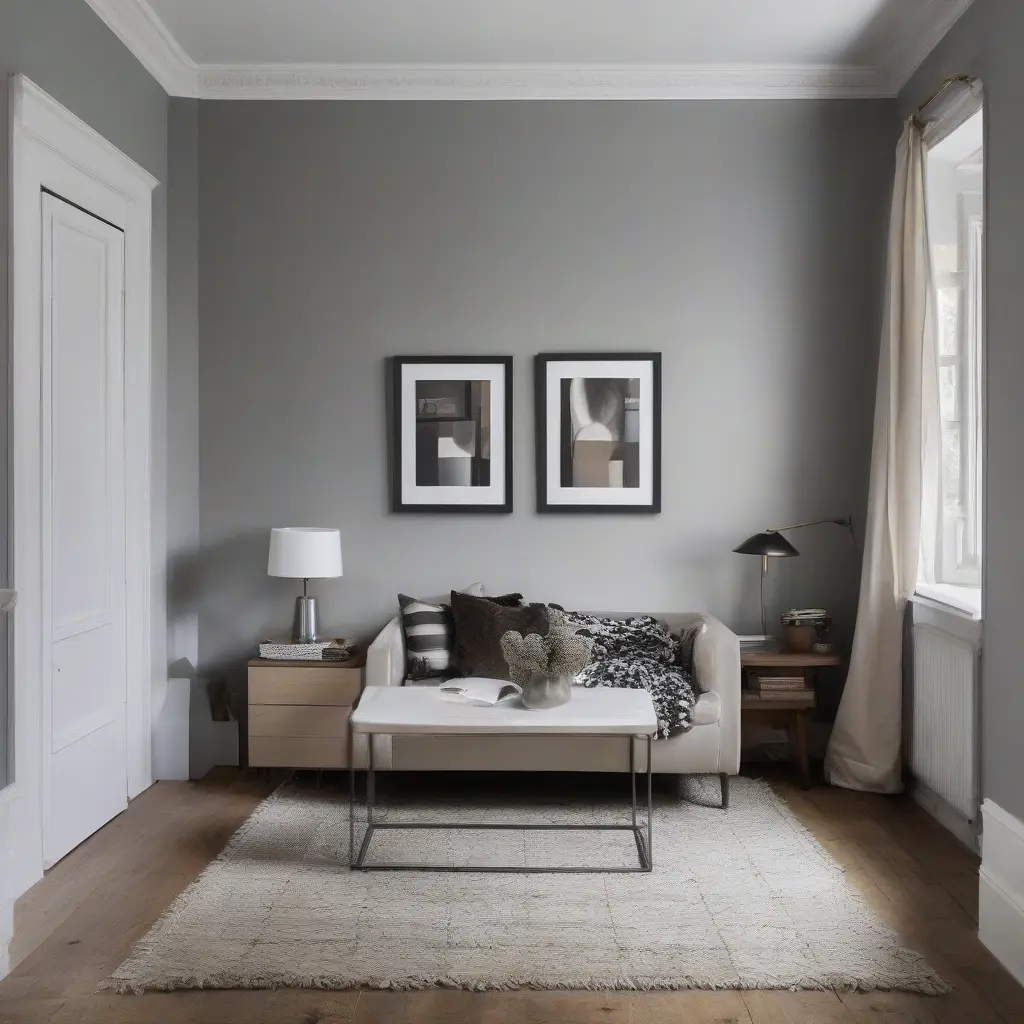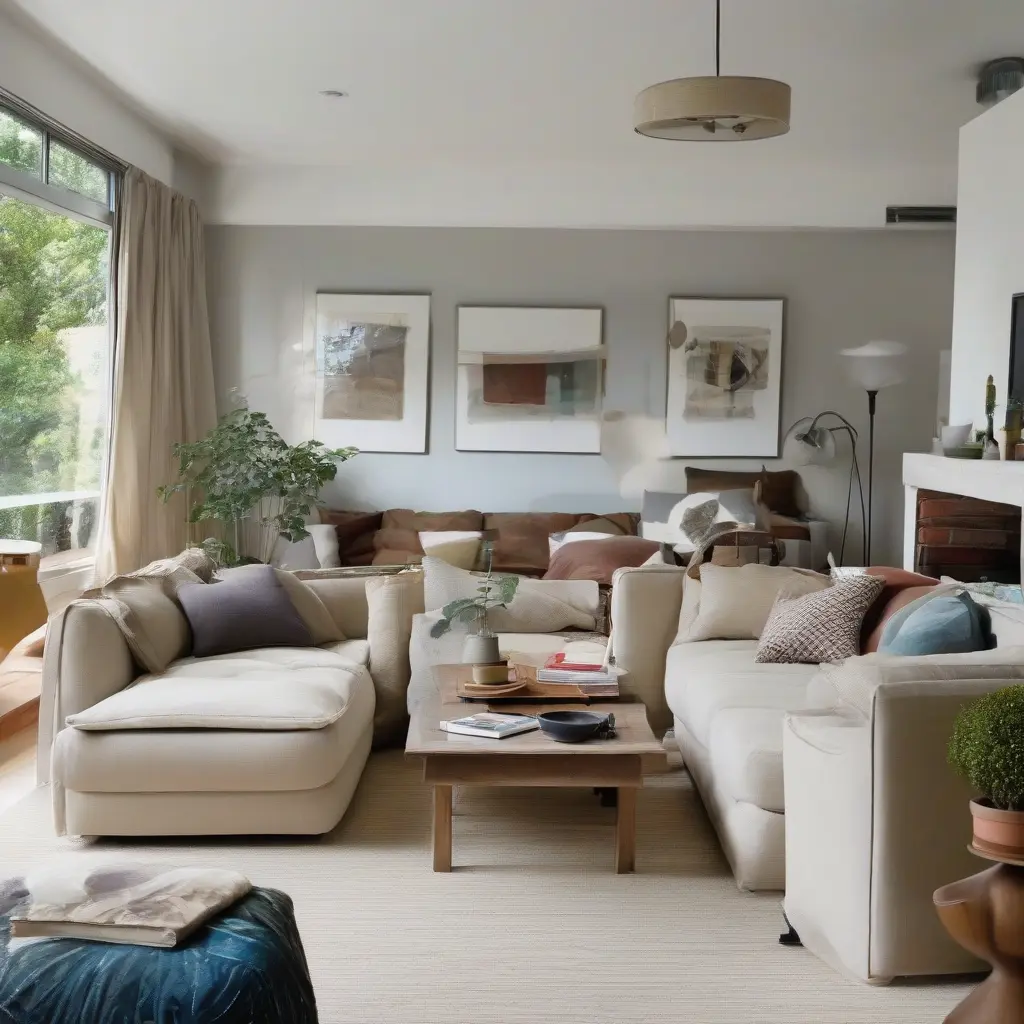
Arranging furniture in an awkwardly shaped living room can be a challenging but rewarding task. Understanding the nuances of your space allows you to create a functional and inviting area, even with unusual angles or nooks. Effective furniture arrangement can enhance the room’s aesthetic while maximizing comfort and usability. This article explores several creative strategies to tackle the peculiarities of unconventional layouts. With thoughtful consideration and design principles, you can transform your living room into a harmonious space that reflects your personal style.
Understand Your Space
Before diving into furniture arrangement, take the time to assess the unique characteristics of your living room. Measure the dimensions of the room, noting any architectural features such as alcoves, slanted ceilings, or large windows. Sketch a floor plan to visualize how different furniture pieces might fit. Understanding the flow of traffic is also key; ensure that the arrangement allows for easy movement throughout the space. By gaining a comprehensive understanding of your living room’s layout, you can make informed decisions that cater to both aesthetics and functionality.
Create Zones
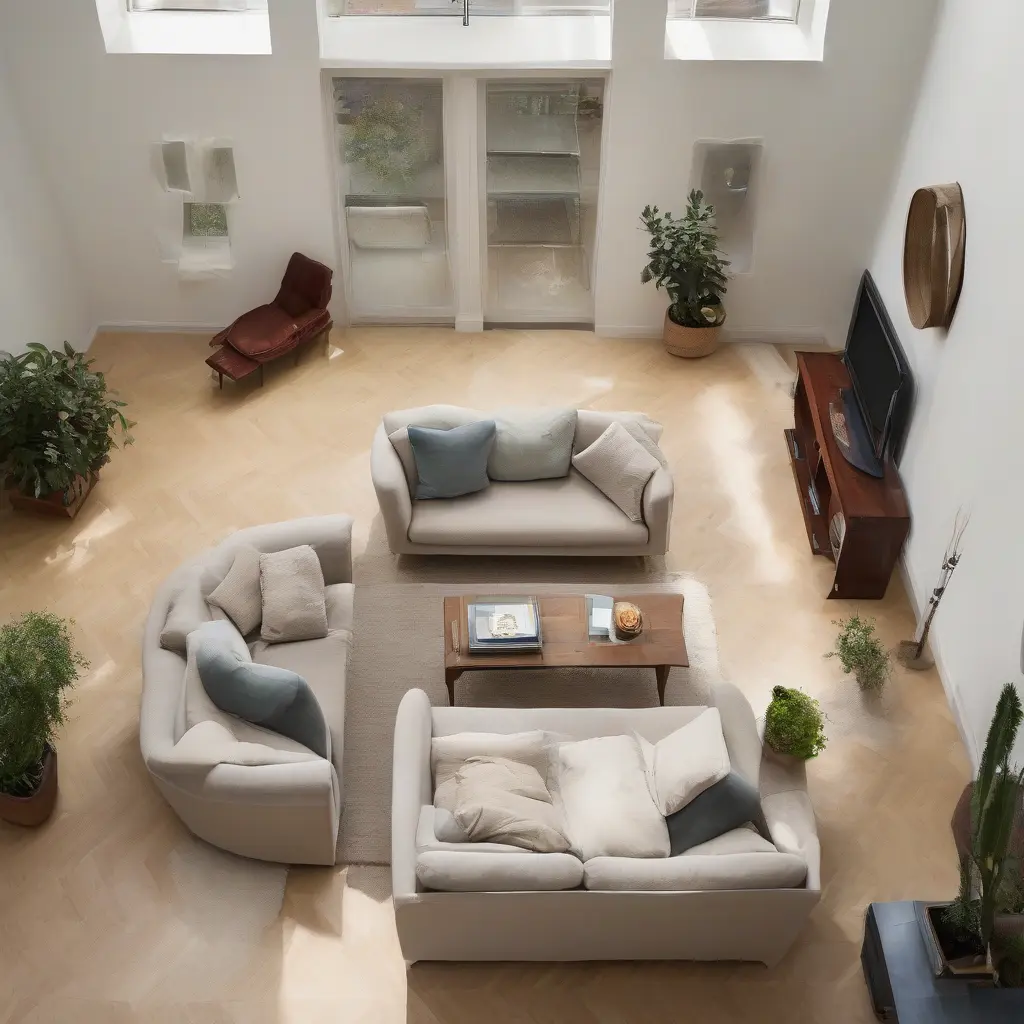
Dividing your living room into functional zones can greatly improve its usability and aesthetic appeal. Consider establishing distinct areas for activities such as reading, lounging, or dining. Use furniture like area rugs, sofas, and bookshelves to delineate these zones. For instance, a large sectional might serve as a boundary between a cozy reading nook and an entertainment area. This purposeful separation enhances the flow of the room while providing each zone with a clear function, making it easier for inhabitants and guests to navigate.
Utilize Multi-Functional Furniture
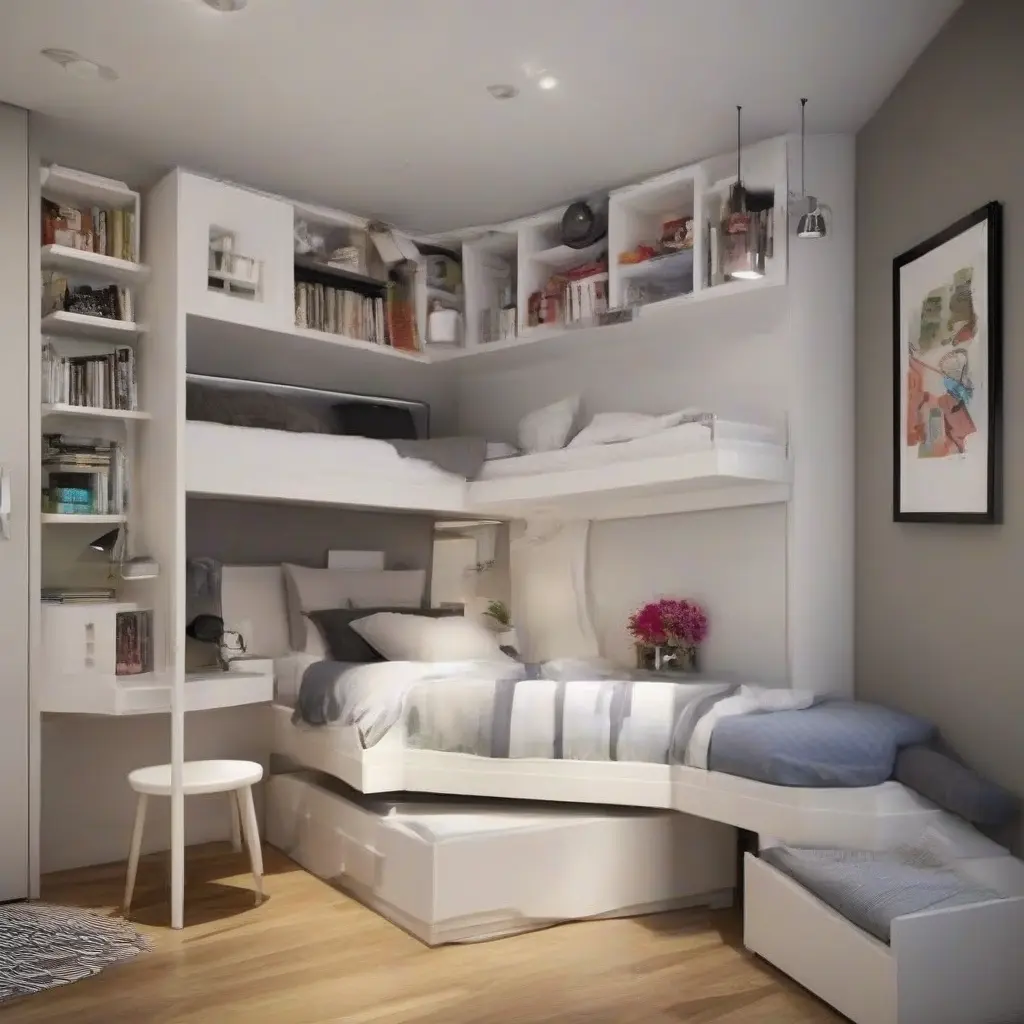
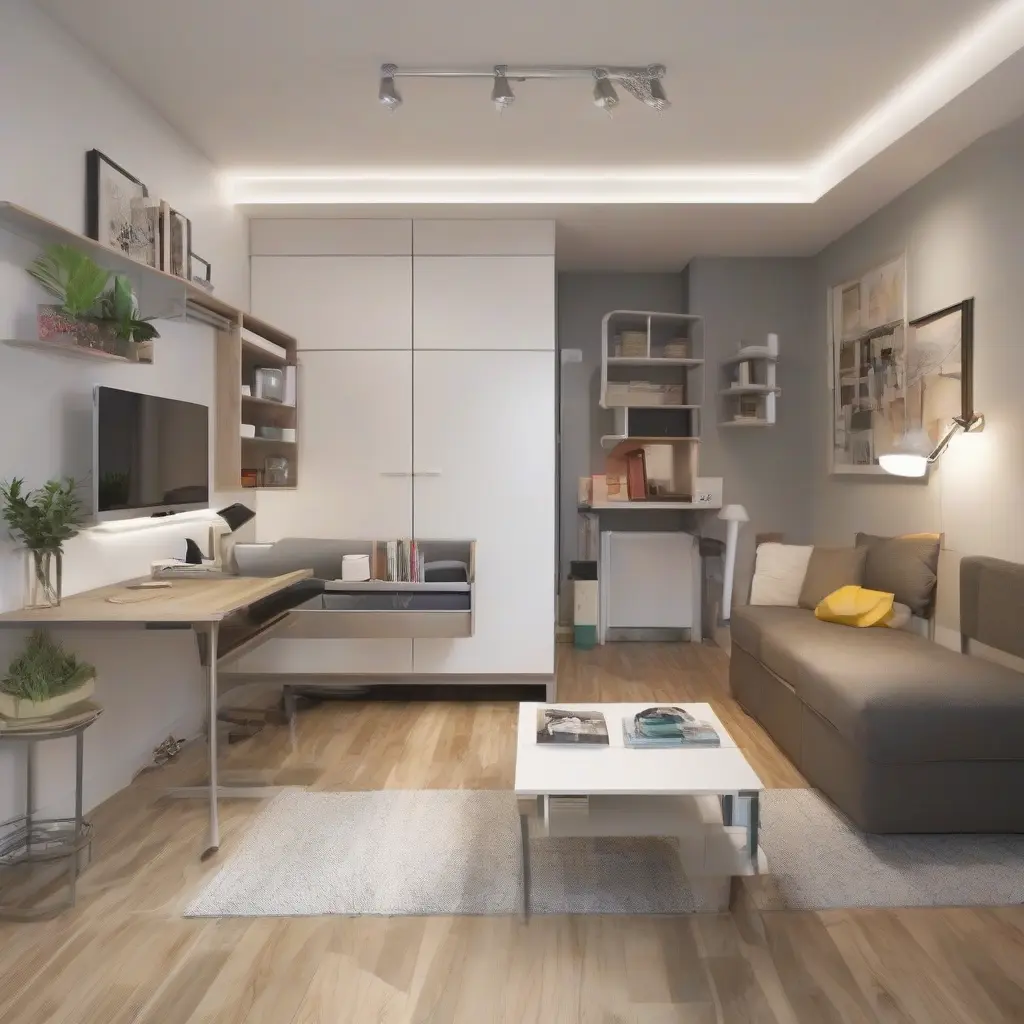
In spaces where every square foot counts, multi-functional furniture can be a game-changer. Look for items that serve dual purposes, such as ottomans that provide both seating and storage. Sofas with built-in recliners or sofa beds can adapt to various needs, especially for compact rooms. By investing in versatile furniture, you not only save space but also elevate the overall utility of your living room. These smart choices bring elegance and practicality to your design, ensuring that every piece plays a valuable role.
Focus on Flow
A well-thought-out flow is essential for any living room, particularly in awkward layouts. Arrange furniture in a manner that promotes natural traffic patterns, ensuring that pathways don’t feel cramped. Avoid placing large furniture pieces in a way that blocks entry points or movement through the room. Instead, consider angling furniture or utilizing smaller pieces to enhance the flow. Maintaining an open feel balances out the awkwardness of the room while allowing for easy access to various areas, ensuring that the space feels both inviting and functional.
Incorporate Vertical Space
Do not overlook the vertical dimensions of your living room, especially in awkward spaces with limited floor area. Utilize wall shelves, tall bookcases, or hanging decor to draw the eye upward and make the room feel more expansive. Vertical elements can also balance out low-profile furniture arrangements, adding visual interest and dimension. Additionally, consider utilizing curtains or drapes that extend from ceiling to floor, helping to create an illusion of height. This approach not only maximizes space but also contributes to a more cohesive overall design.
Choose the Right Color Palette
The color palette you choose can significantly impact the perception of space within an awkward living room. Lighter colors tend to open up a room, making it feel more airy and spacious. Neutral tones like whites, creams, and soft pastels can enhance the lighting and make small areas feel less constricted. Additionally, you can add splashes of color with accessories such as cushions, artworks, or accent furniture, creating focal points that draw attention away from awkward angles. A well-chosen color scheme not only improves visuals but can also uplift the mood of the entire space.
Consider Scale and Proportion
Scale and proportion play a crucial role when arranging furniture in awkward living rooms. Selecting pieces that are proportionate to the size of the room ensures that the space feels balanced and harmonious. Avoid oversized furniture that may overwhelm a small area, and opt for appropriately sized items that fit comfortably. Similarly, ensure that the height of pieces aligns with each other; for instance, pairing a low sofa with a tall bookcase can visually disrupt balance. Thoughtful consideration of these principles will elevate the overall coherence of your living room’s arrangement.
Add Personal Touches
Injecting personal touches into your living room arrangement can transform the space into a reflection of your personality and style. Incorporate family photos, artworks, or unique collectibles that resonate with your experiences. These elements not only enhance the room’s character but can also serve as conversation starters when hosting guests. Arrange these items thoughtfully on shelves or walls to create a visually appealing display. Personalization adds warmth to your home, making it feel inviting while celebrating your individuality within the constraints of an awkward layout.
Embrace Natural Light
Maximizing natural light can significantly enhance the ambiance of an awkwardly shaped living room. Position furniture to take full advantage of windows or sunlight sources; avoid blocking these areas with large items. Consider lightweight, sheer fabrics for curtains to allow light penetration while maintaining privacy. Strategic placement of mirrors can also help reflect light throughout the room, making it feel larger and more welcoming. An abundance of natural light not only beautifies the space but also cultivates a calm and energizing environment.
Conclusion
Arranging furniture in an awkwardly shaped living room may present challenges, but with creative strategies, you can create a welcoming and functional space. By understanding your layout, designing zones, and selecting the right furniture while considering aesthetics and flow, you can transform an unconventional area into a beautiful living environment. Personal touches and effective use of natural light further enhance the experience, resulting in a room that reflects your unique style and fosters comfort for you and your guests.