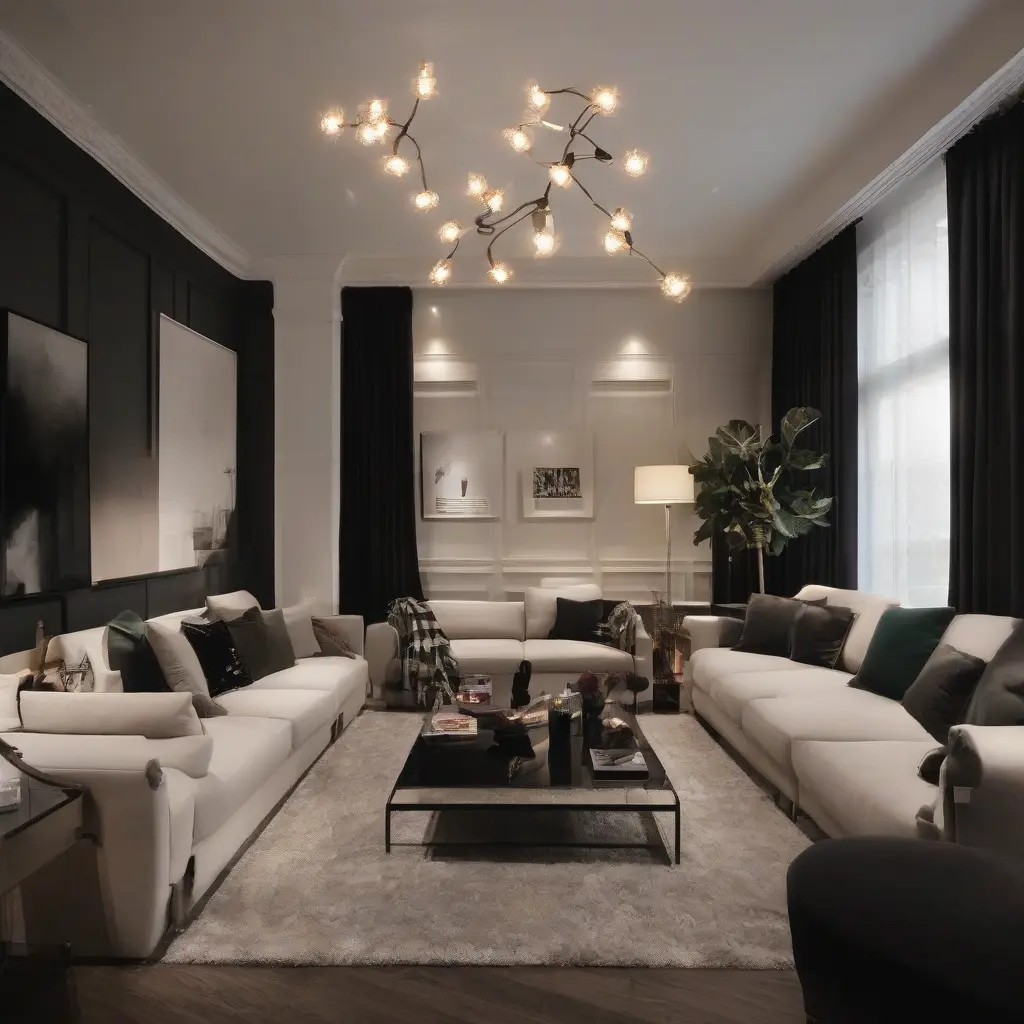
A well-lit living room can significantly enhance the ambiance and functionality of your space. Dark living rooms can feel cramped and uninviting, making it essential to incorporate effective lighting solutions. From natural light techniques to stylish lamp choices, there are numerous ways to brighten up your living room. In this article, we will explore various strategies to help you transform a dark area into a vibrant, welcoming environment. Whether you have limited windows or prefer cozy evenings, improving your lighting will not only enhance aesthetics but also create a more usable and enjoyable space.
Maximizing Natural Light
One of the most effective methods to brighten a dark living room is by maximizing natural light. Begin by assessing the placement of your furniture and decor; avoid blocking windows with bulky items. Consider using sheer curtains or blinds that allow sunlight to filter in while still providing privacy. Mirrors can also play a pivotal role in reflecting natural light around the room, making the space feel larger and airier. Additionally, painting your walls in light, neutral colors can enhance the light reflecting off surfaces, creating a more luminous environment overall.
Layered Lighting Techniques
Incorporating layered lighting is crucial for achieving a well-balanced and inviting atmosphere. This technique involves using a combination of ambient, task, and accent lighting. Ambient lighting serves as the primary light source, often provided by ceiling fixtures. Task lighting, such as reading lamps or under-cabinet lights, focuses on specific areas where activities take place. Finally, accent lighting, like wall sconces or LED strips, highlights artwork or architectural features. By implementing these three types of lighting, you can create depth and warmth in your living room.
Choosing the Right Light Fixtures
When it comes to selecting light fixtures for a dark living room, style and functionality should go hand in hand. Ceiling-mounted fixtures, such as chandeliers or pendant lights, can serve as striking focal points. Floor lamps and table lamps should be carefully chosen to complement your existing decor while providing adequate light. Dimmable fixtures are also a wise option, as they allow you to adjust brightness levels based on mood or time of day. Choosing bulbs with higher lumen outputs ensures ample brightness, while warmer color temperatures can create a cozy ambiance.
Using Reflective Surfaces
Incorporating reflective surfaces can dramatically improve lighting in a dark living room. Furniture with glass or metallic finishes, such as mirrored coffee tables or chrome light fixtures, enhances the reflection of light across the space. Additionally, choosing glossy paint finishes for walls can amplify the impact of both natural and artificial light sources. Incorporating reflective decor items, like decorative mirrors or framed artworks, not only beautifies your living room but also optimizes lighting conditions, making the space feel brighter and more open.
Incorporating Smart Lighting Solutions
Smart lighting technology offers innovative solutions for enhancing brightness in your living room. Smart bulbs and LED strips can be controlled remotely and programmed to adjust brightness and color temperatures throughout the day. These options allow you to customize lighting scenarios based on activities or moods, from bright white light for reading to warm tones for relaxation. Integrating smart lighting systems into your living space enhances convenience while ensuring effective illumination, making it a worthwhile investment for dark living rooms.
Using Color and Texture Strategically
The choice of color and texture in your living room can greatly affect the perception of light and brightness. Bright, light colors on walls and furniture reflect light more effectively, helping to create an airy feel. Textured fabrics, such as velvet or linen, can add visual interest and warmth. This combination not only complements your lighting choices but also ensures that the overall aesthetic remains inviting. Incorporating colorful accent pillows or rugs can also add vibrancy, making the space feel more dynamic without overwhelming the natural light.
Placing Light Sources Wisely
Strategic placement of light sources can have a substantial impact on the overall brightness of your living room. Ceiling fixtures should be placed centrally to ensure even light distribution. Floor and table lamps should be positioned in corners or near seating areas to provide adequate illumination for activities like reading or entertaining. Wall sconces also help by directing light upward or downward, creating an ambient glow. By distributing light thoughtfully, you can avoid dark spots while enhancing the comfort and usability of your living space.
Creating Zones with Lighting
Creating distinct zones in a dark living room using lighting can enhance both functionality and atmosphere. By employing different lighting styles for various areas, you can define spaces for relaxation, entertainment, or work. For instance, a bright light above a reading nook enhances its usability while softer lighting in a seating area fosters a cozy environment. Consider using floor lamps or wall sconces to establish boundaries within an open-plan space. This approach not only adds depth to the room but also allows for tailored lighting depending on the activity or mood.
Utilizing Floor and Table Lamps
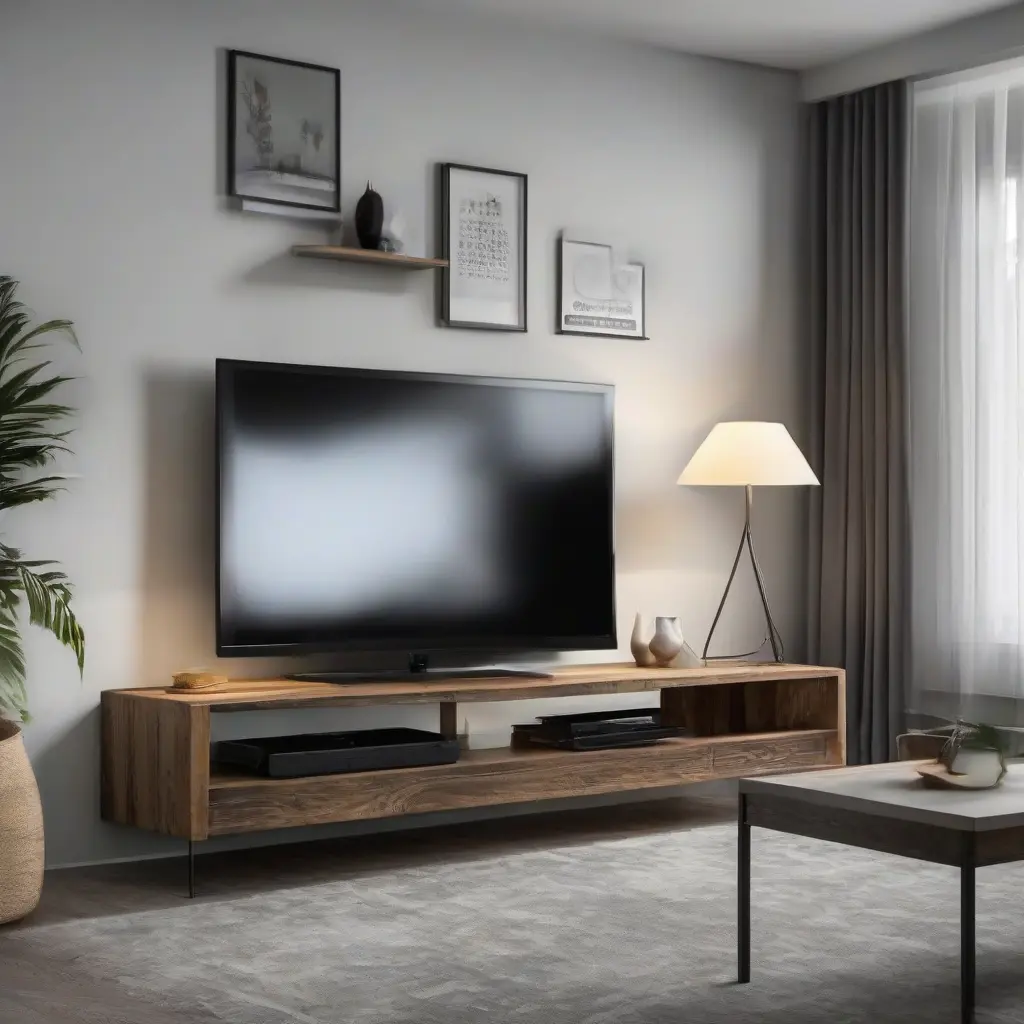
Floor and table lamps are versatile lighting solutions ideal for dark living rooms. They can be easily moved to different locations, allowing for flexible illumination based on your needs. Look for lamps with adjustable arms or multi-way switches to customize light levels effectively. These lamps can serve as decorative elements while also providing functional lighting. Placing a stylish floor lamp in a corner can brighten a previously dark area, while table lamps on side tables can create a welcoming ambiance perfect for cozy evenings.
Conclusion
Transforming a dark living room into a bright and lively space is achievable through thoughtful lighting solutions. By maximizing natural light, utilizing layered techniques, and selecting appropriate fixtures, you can create an inviting environment tailored to your lifestyle. Additionally, incorporating reflective surfaces and smart lighting options further enhances your space. With these strategies, you can enjoy a well-lit living room that balances style and functionality, making it a central hub for relaxation and entertainment.