Making a small room look bigger can seem challenging, but the right color scheme can greatly enhance the perception of space. Whether you’re decorating a bedroom, living room, or any compact area, strategic use of color can create an airy and spacious atmosphere. Light colors, coordinated schemes, and the right accents can trick the eye and make your small room feel more welcoming and open. This article explores various color schemes that effectively enlarge the feel of small spaces while maintaining style and comfort.
Light Neutrals for an Expansive Feel
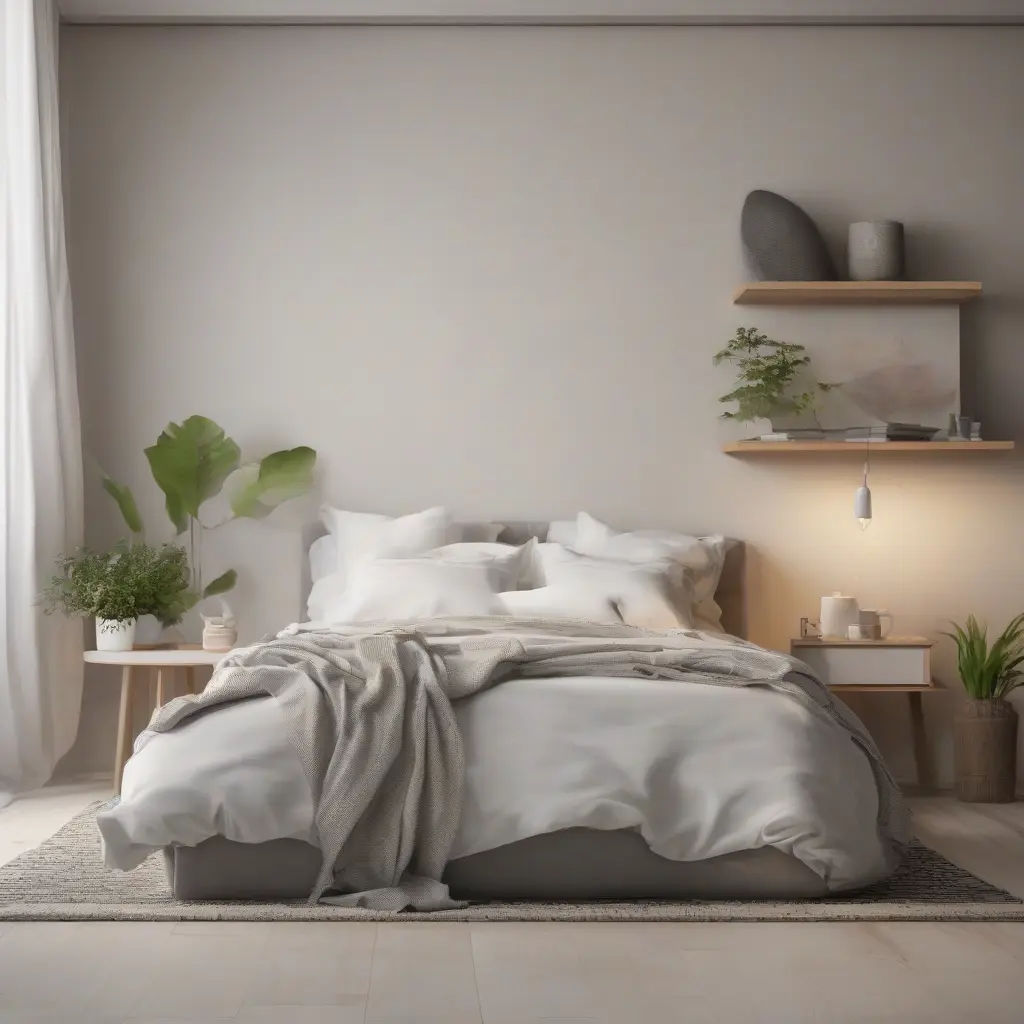
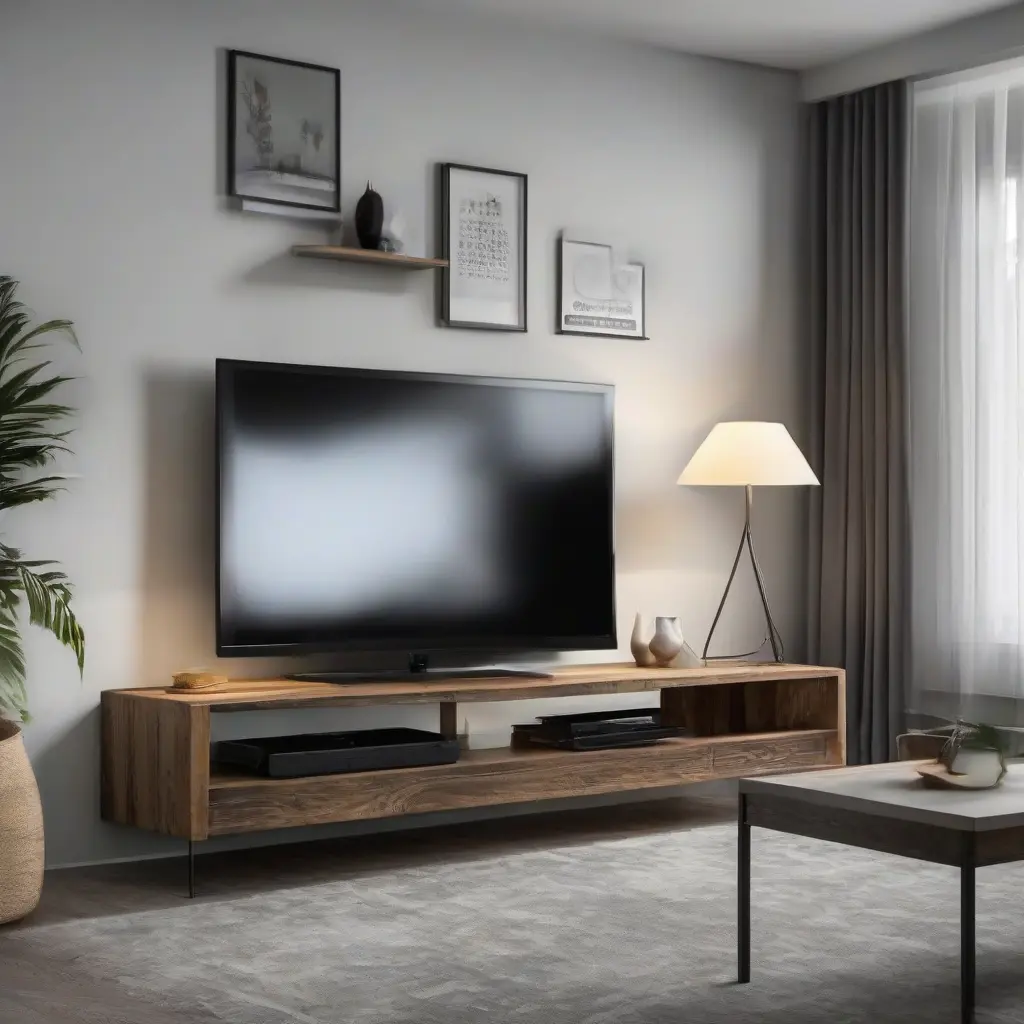
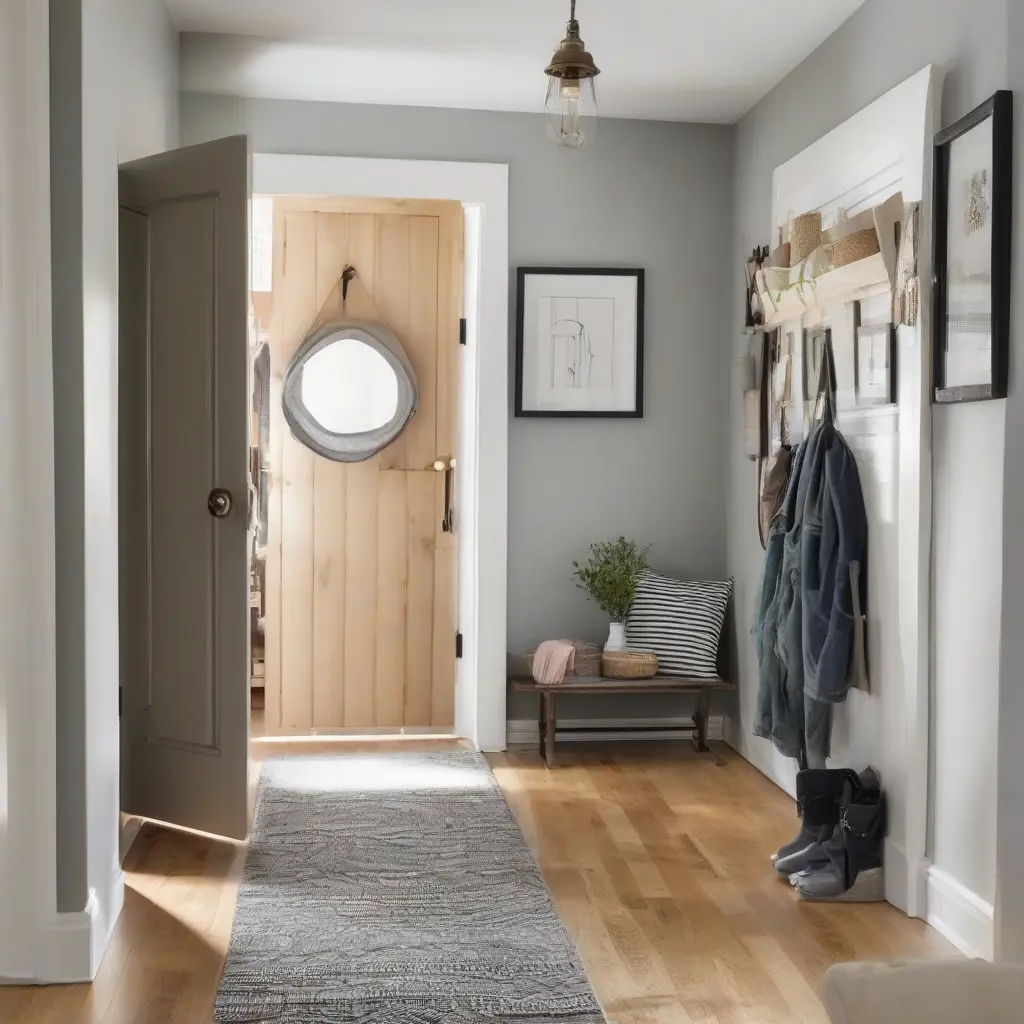
Light neutral colors, such as soft whites, beiges, and light grays, can open up small rooms effectively. These shades reflect light, making the walls appear further away than they are, thus creating an illusion of space. Pairing these tones with light-colored furnishings can enhance the effect, keeping the overall look cohesive and airy. Incorporating textured elements, like woven fabrics or natural fibers, can add dimension without overwhelming the space, resulting in a room that feels light and spacious.
Cool Colors for a Calming Environment
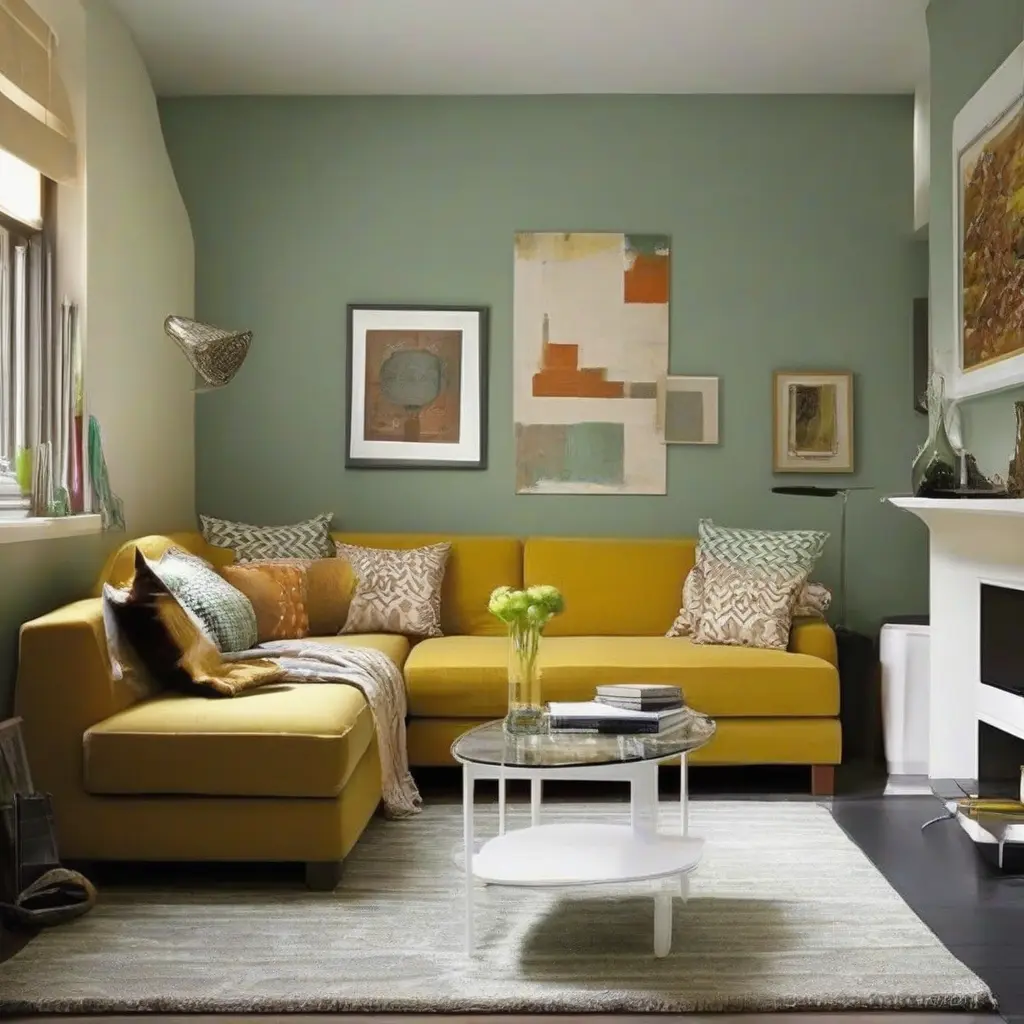
Cool colors like blues and greens are excellent choices for small spaces due to their calming nature. These hues possess a soothing quality that can relax the mind and make the area seem larger. Lighter shades of these colors, particularly pastels, can evoke a sense of openness. Consider painting the walls in soft aqua or mint green while adding deeper shades as accents through decor or furnishings. This layered approach keeps the ambiance cohesive while also providing a feeling of tranquility.
Monochromatic Schemes for Depth
Monochromatic color schemes utilize varying shades of a single color to create depth and interest without overwhelming a small space. This approach allows for a cohesive look while introducing different textures and patterns. For instance, using various shades of gray can create contrast while keeping the overall atmosphere calm. Additionally, adding metallic accents or darker hues through artwork or furniture can enhance the layout, ensuring the room remains visually appealing and spacious.
Accent Walls to Create Focus
Incorporating an accent wall is a popular technique to add dimension to small rooms. By painting one wall a bold or darker color, you can create a focal point that draws the eye and adds depth. This strategy works particularly well with lighter surrounding walls, as it enhances the perception of space. Choose a color that complements the overall palette while introducing a sense of drama and sophistication. This method not only makes the room feel more spacious but also reflects personal style.
Soft Pastels for a Dreamy Ambiance
Soft pastel colors, including blush pinks, pale lavenders, and soft yellows, can effectively brighten a small space while maintaining a feeling of coziness. These gentle hues allow light to bounce around the room, enhancing the feeling of openness. Pastels can be incorporated through wall paint or decor like cushions and curtains. When layering these colors, it’s essential to keep a balance to avoid a cluttered look, ensuring that the room feels airy and inviting.
Bright White for Maximum Light Reflection
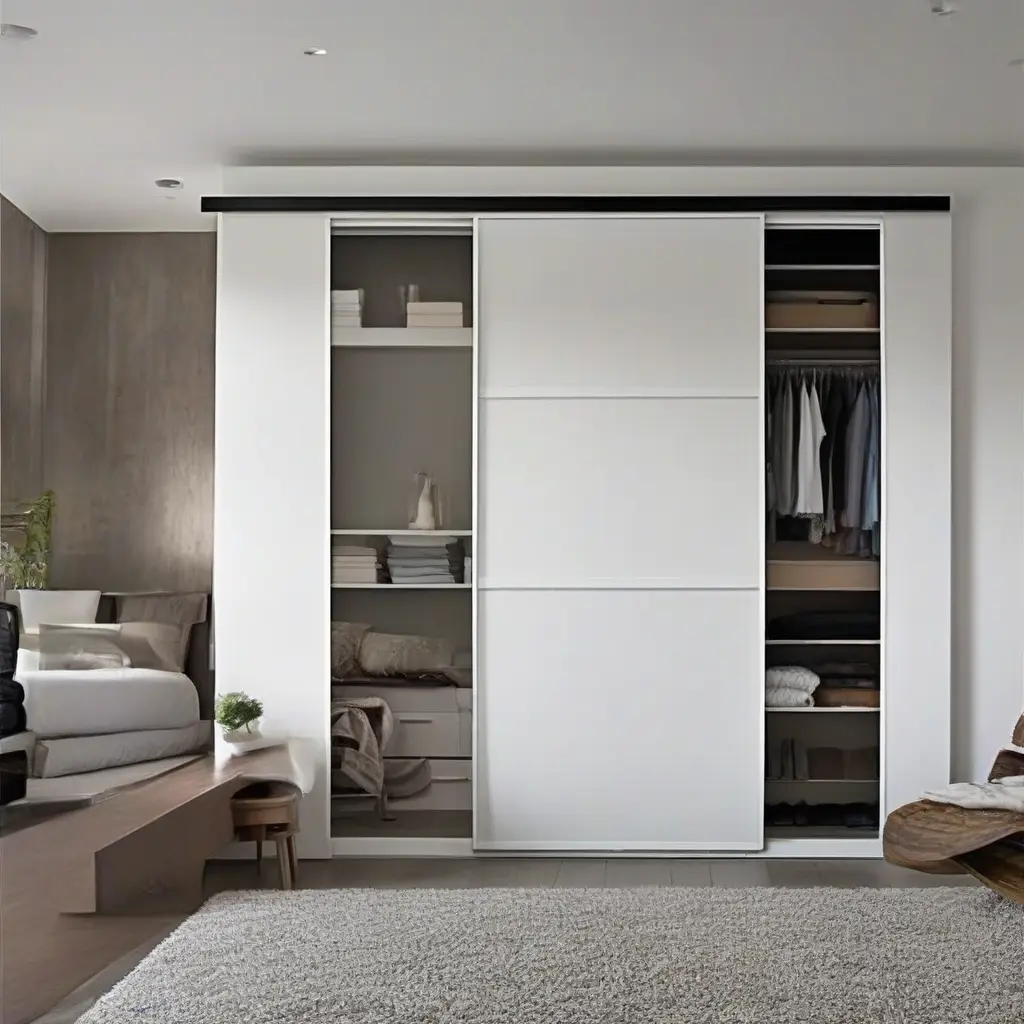
A classic choice for small rooms is bright white, which maximizes light reflection and makes spaces feel larger. This timeless color can serve as a blank canvas that allows for varying decor styles, from minimalist to eclectic. White walls paired with light wooden furniture or metallic accents can create a sophisticated look. However, to prevent a sterile atmosphere, it’s vital to introduce warmth through textured fabrics and colorful artwork, ensuring that the environment feels welcoming.
Contrasting Colors for Visual Interest
Employing contrasting colors can break the monotony in small rooms and create a vibrant ambiance. By pairing light hues with dark accents, you can define different areas within the space, making it feel larger. For instance, a soft beige can serve as a neutral backdrop while deep navy or forest green can be used in furnishings or decor. This contrast adds visual interest and depth, effectively drawing the eye and creating a lively yet spacious environment.
Using Color Psychology to Influence Mood
Understanding color psychology can significantly impact how a room is perceived and how it affects mood. For example, blues can promote tranquility, while yellows can create an uplifting atmosphere. By strategically selecting colors based on their psychological effects, you can transform a small room into a comfortable retreat. In bedrooms, soothing tones encourage relaxation, whereas vibrant accents in a living area can foster energy. Utilizing color intentionally provides both aesthetic appeal and functional benefits.
Incorporating Patterns for Enhanced Dimension
Patterns can add life and dimension to a small room without overwhelming it. You can select striped wallpaper or patterned fabrics to create visual interest and give the illusion of height or spaciousness. Vertical stripes can make walls appear taller, while geometric patterns can offer a modern touch. When using patterns, it’s essential to maintain balance with solid colors to prevent chaos. This thoughtful approach to design can enhance the perception of space and keep your small room looking fresh.
Conclusion
Incorporating the right color schemes is crucial for making small rooms feel larger and more inviting. Light neutrals, soft pastels, and contrasting colors can transform any space while keeping it stylish and functional. Utilizing color psychology, patterns, and textures can enhance depth and create a cohesive ambiance that reflects personal style. By thoughtfully choosing colors and applying these strategies, you can significantly improve the perception of space in your small room.