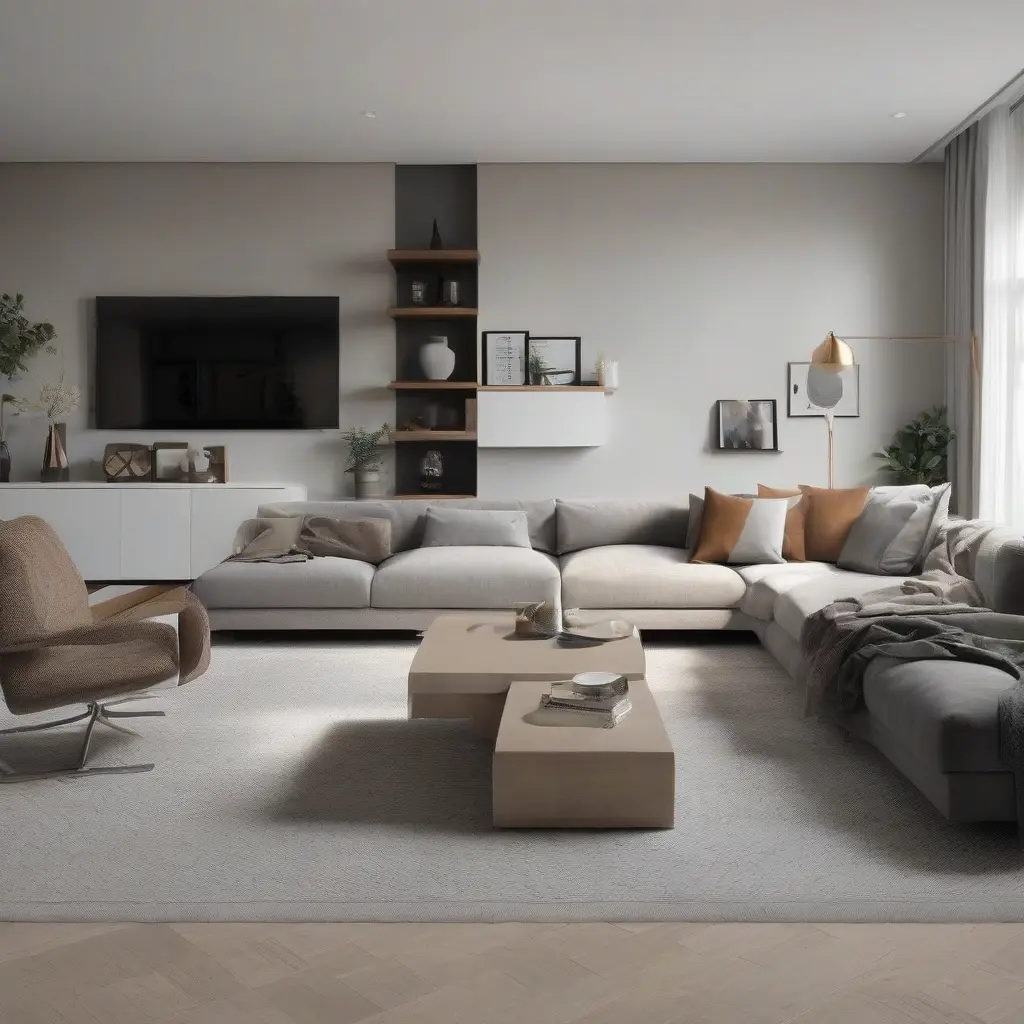
Styling a minimalist living room is about simplicity, elegance, and functionality. This approach emphasizes clean lines, neutral colors, and an uncluttered layout that creates a space of tranquility. To achieve a successful minimalist design, several essential elements must be considered. From furniture selection to color palettes, each component plays a critical role in embodying the minimalist ethos. This article will guide you through the necessary steps to cultivate your dream living room while maintaining a sense of simplicity and sophistication.
Start with a Neutral Color Palette
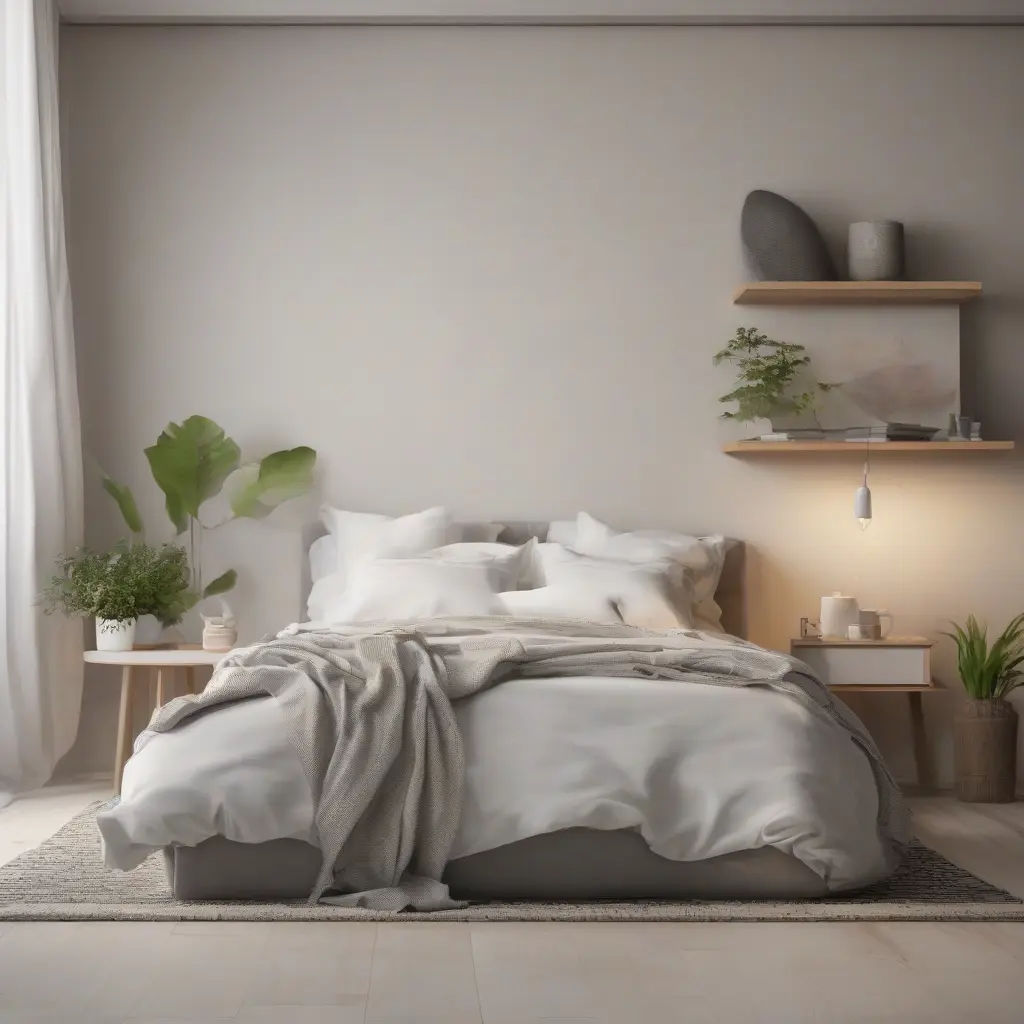
A neutral color palette is fundamental in achieving a minimalist living room. Shades of white, gray, beige, and soft earth tones provide a clean backdrop, allowing for the integration of various design elements without overwhelming the senses. These soothing tones create a sense of space and tranquility, making the room feel open and airy. To add depth, consider layering different shades within the same color family, which helps to maintain visual interest without compromising the minimalist aesthetic. Keeping the wall colors understated can highlight furnishings and decor effectively.
Choose Functional Furniture
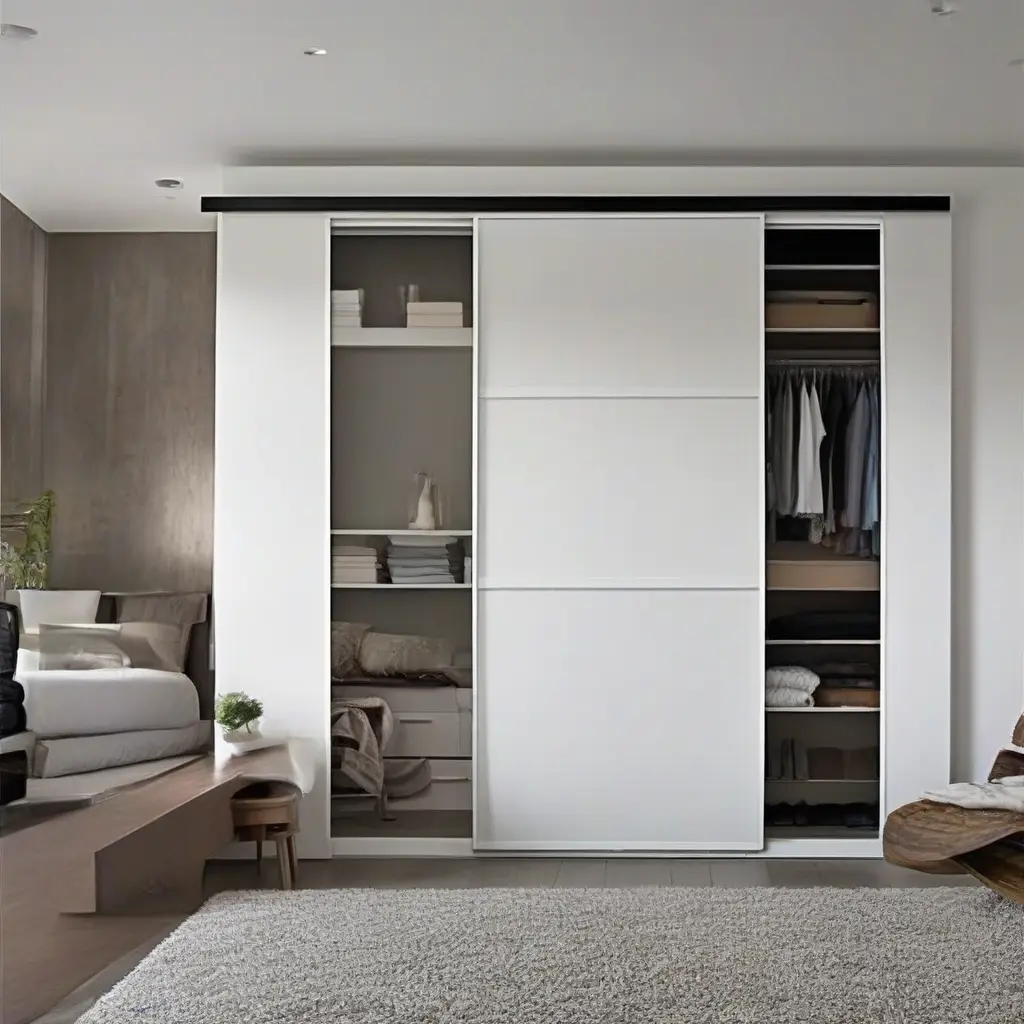
When selecting furniture for a minimalist living room, prioritize functionality and form. Look for pieces that offer both aesthetic appeal and usability. Multifunctional furniture, such as a coffee table with storage or a sofa bed, can save space while serving multiple purposes. Opt for sleek designs with clean lines and subtle details, avoiding overly ornate or bulky pieces. Each item should contribute to the overall aesthetic while ensuring comfort and practicality, reinforcing the minimalist philosophy that ‘less is more’.
Incorporate Natural Elements
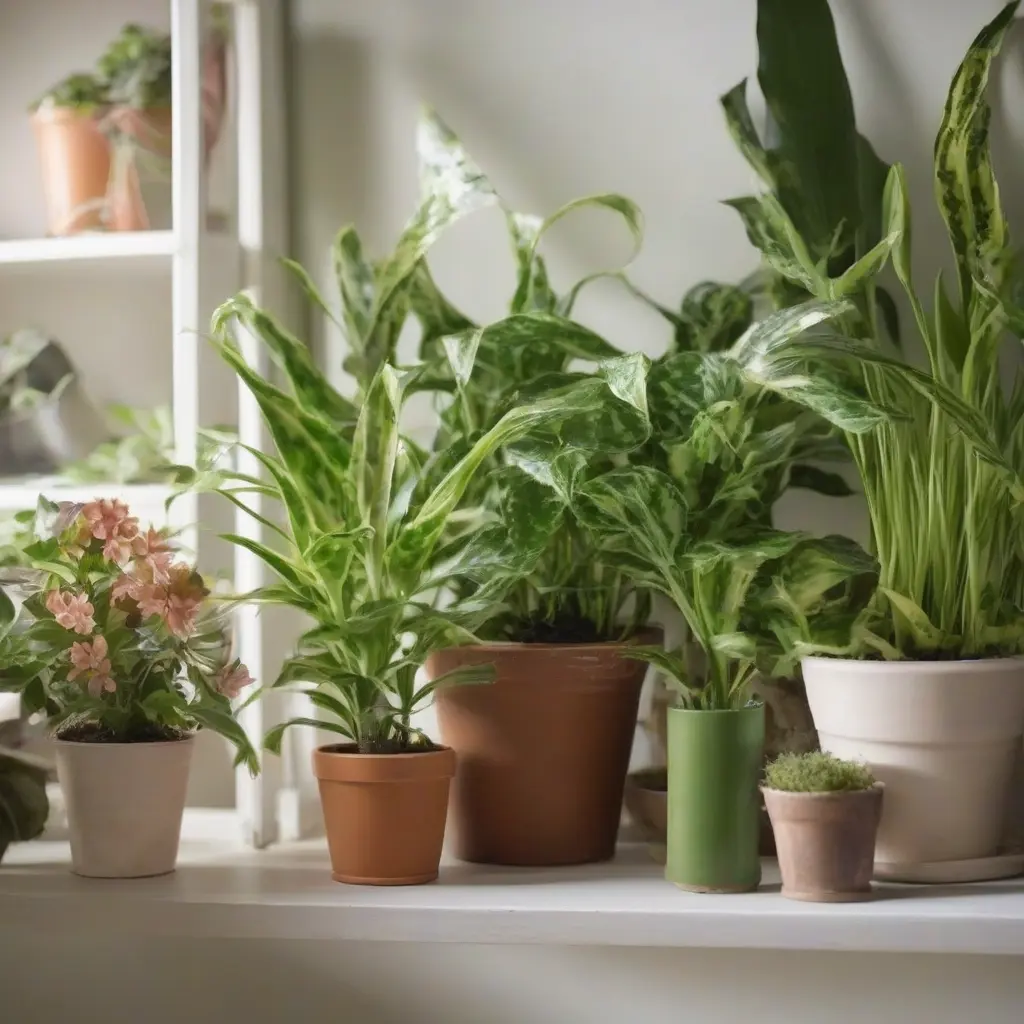
Integrating natural elements is essential in creating a warm, inviting minimalist living room. Use materials like wood, stone, or even plants to introduce organic textures and soften the space. Wooden furniture pieces or decorative accents can add warmth, while stone elements like an exposed brick wall can provide an interesting contrast to smoother surfaces. Additionally, incorporating houseplants not only enhances air quality but also brings a sense of life into the room, creating a more balanced habitat that aligns with minimalist values.
Embrace Open Space
Embracing open space is a cornerstone of minimalist design. Avoid overcrowding the living room with excess furniture or decorative items, as this can create visual clutter. Instead, leave ample space between furniture pieces to enable easy movement and promote a sense of tranquility. A well-arranged living room should encourage airflow and accessibility. Consider using fewer but larger furniture pieces, which can provide the same level of comfort and functionality without compromising the minimalist look.
Limit Decorative Accessories
Minimalist design thrives on the concept of ‘less is more,’ especially when it comes to decorative accessories. Limit the number of decorative items to only a few essential pieces that have personal significance or contribute to the room’s aesthetic. This could include a couple of art pieces, a sculptural item, or a statement vase. Ensure these accessories harmonize with the overall design theme and serve a purpose, effectively avoiding any sense of clutter while maintaining the room’s elegance.
Utilize Soft Lighting
Lighting plays a crucial role in a minimalist living room, enhancing the overall mood and atmosphere. Soft, ambient lighting can create a cozy environment while ensuring the space feels open and inviting. Consider using a combination of floor lamps, table lamps, and natural light to achieve this effect. Dimmer switches can also be an excellent addition, allowing you to adjust the brightness according to the time of day or desired ambiance. Aim for lighting that complements the room’s decor while promoting relaxation and comfort.
Create a Focal Point
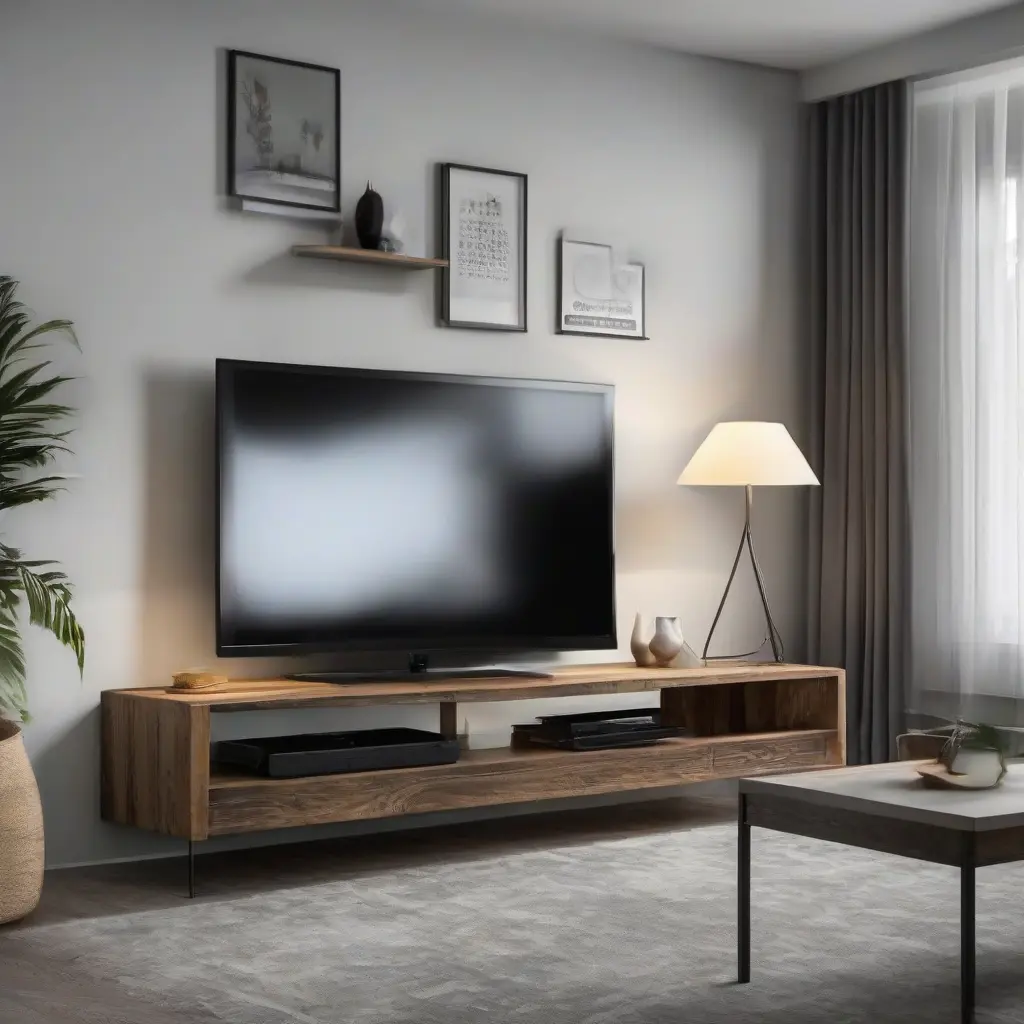
In a minimalist living room, establishing a focal point can help create visual interest without compromising simplicity. This focal point could be a unique piece of art, a bold piece of furniture, or a fireplace. By directing attention toward one central element, it enhances the overall design without overwhelming the space. Ensure that the focal point aligns with the minimalist aesthetic—keeping it streamlined and stylish while enhancing your living room’s functionality and flow.
Consider Texture and Layers
Texture and layers can add depth and complexity to a minimalist living room while keeping in line with its fundamental principles. Introduce various materials such as soft textiles, woods, and metals to create a richer environment. For instance, combining a plush area rug with smooth furniture surfaces can provide a tactile contrast. Fabrics in cushions, throws, and curtains can also serve to enhance visual interest without cluttering the space. Being mindful of texture helps to maintain the minimalistic charm while making the room feel warm and inviting.
Pay Attention to Scale and Proportion
When designing a minimalist living room, paying attention to scale and proportion is vital. Each piece of furniture and decor should be proportionate to the space, ensuring a harmonious flow. Large furniture in a small room can overwhelm the space, while tiny pieces can easily be overpowered. By balancing sizes, you create a cohesive environment that feels comfortable and well-planned. Consider the height, width, and depth of items during the selection process to achieve a balanced aesthetic.
Focus on Quality over Quantity
A key principle in minimalist design is focusing on quality over quantity. This means investing in fewer, high-quality items that offer durability and timeless appeal. Opt for well-crafted furniture and decor made from premium materials that stand the test of time. This not only sustains the minimalist look but also saves resources in the long run. Selecting items that embody craftsmanship ensures that your living room remains stylish and functional without the burden of unnecessary clutter.
Conclusion
Styling a minimalist living room involves mindful consideration of various elements that promote simplicity and functionality. By emphasizing a neutral color palette, choosing functional furniture, and embracing open spaces, you can create an inviting and serene atmosphere. Incorporating natural elements, limiting decorative accessories, and paying attention to lighting further enhance the aesthetic. Remember, it’s about making thoughtful choices and focusing on quality to achieve a harmonious design that resonates tranquility and elegance.