Small apartments often pose unique challenges in terms of space management and functionality. Understanding the essential furniture dimensions can significantly enhance the livability of your apartment while keeping it stylish. This guide outlines the optimum sizes for various pieces of furniture such as sofas, beds, and tables, enabling you to make informed decisions. With the right dimensions, you can create a space that feels open and organized, ensuring that every square foot is utilized effectively without compromising on comfort or aesthetics.
Standard Sofa Dimensions
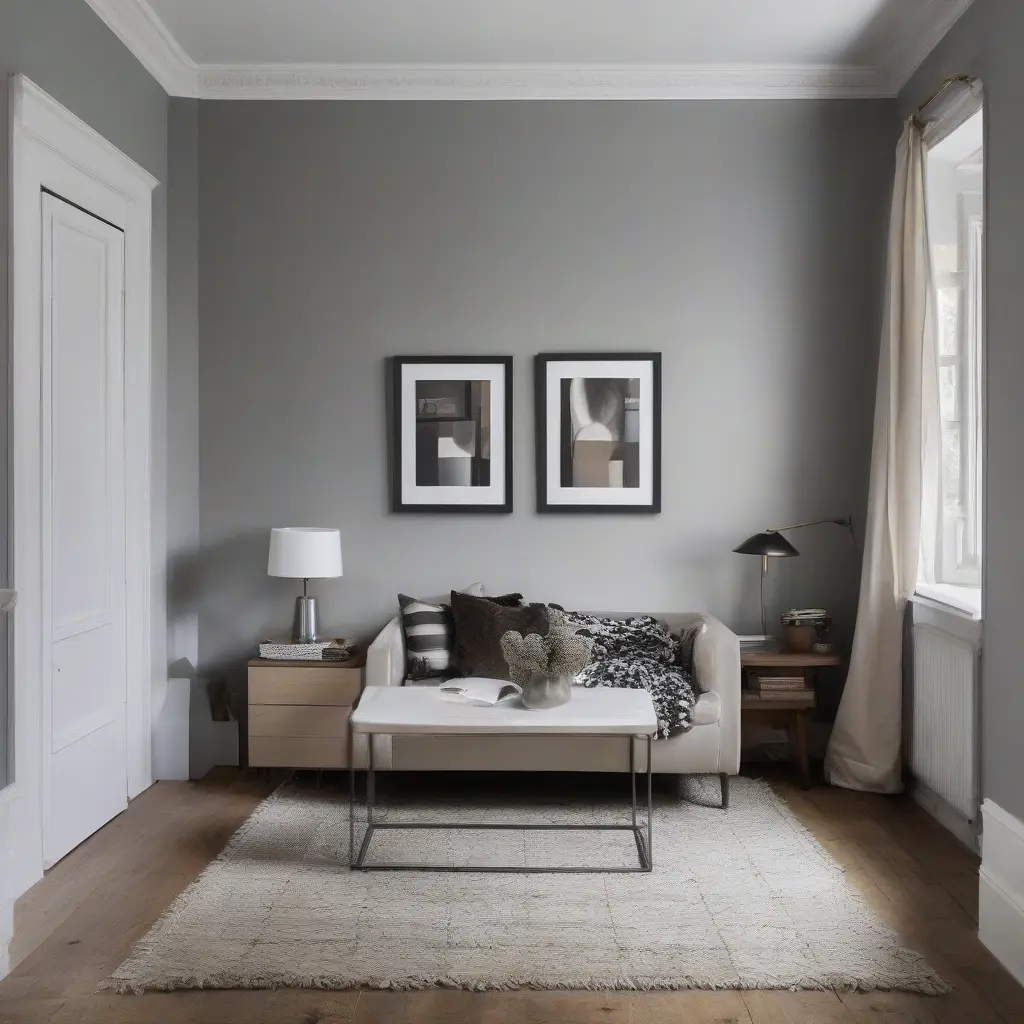
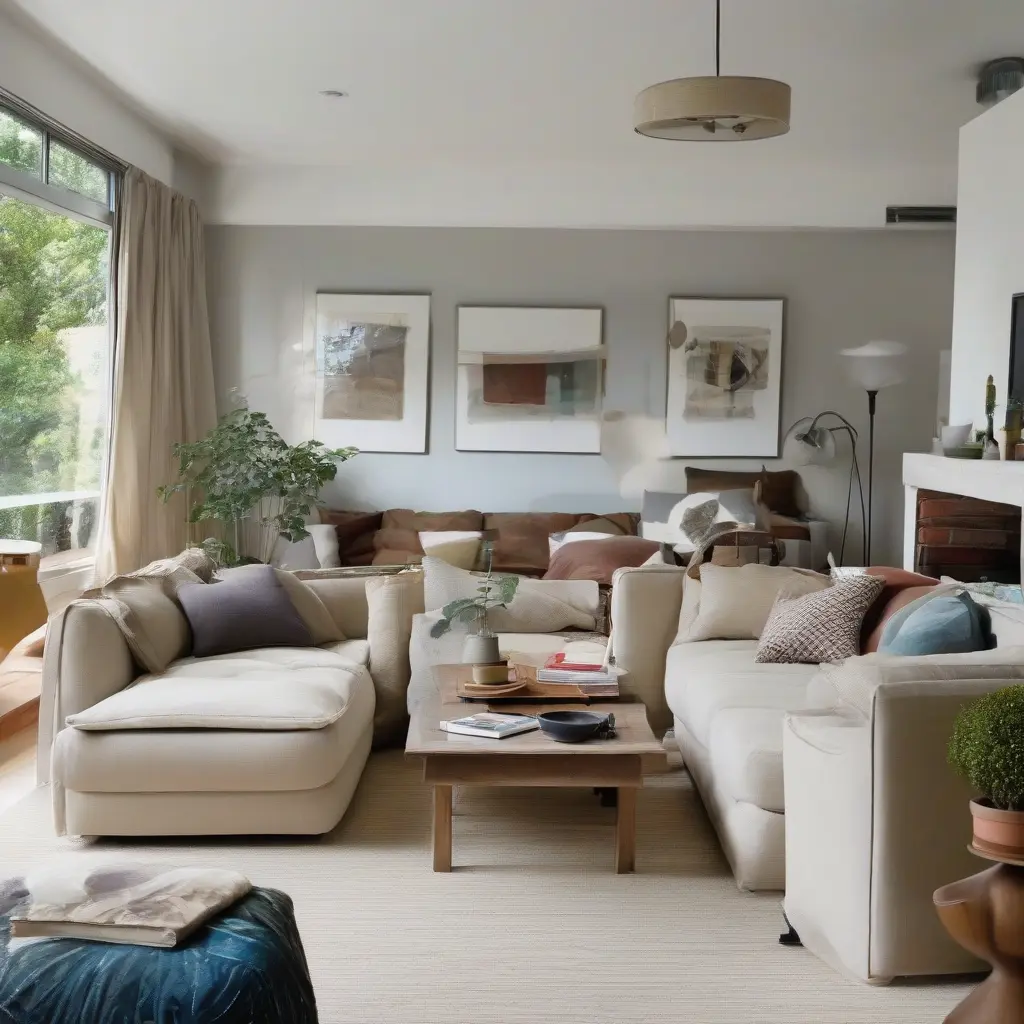
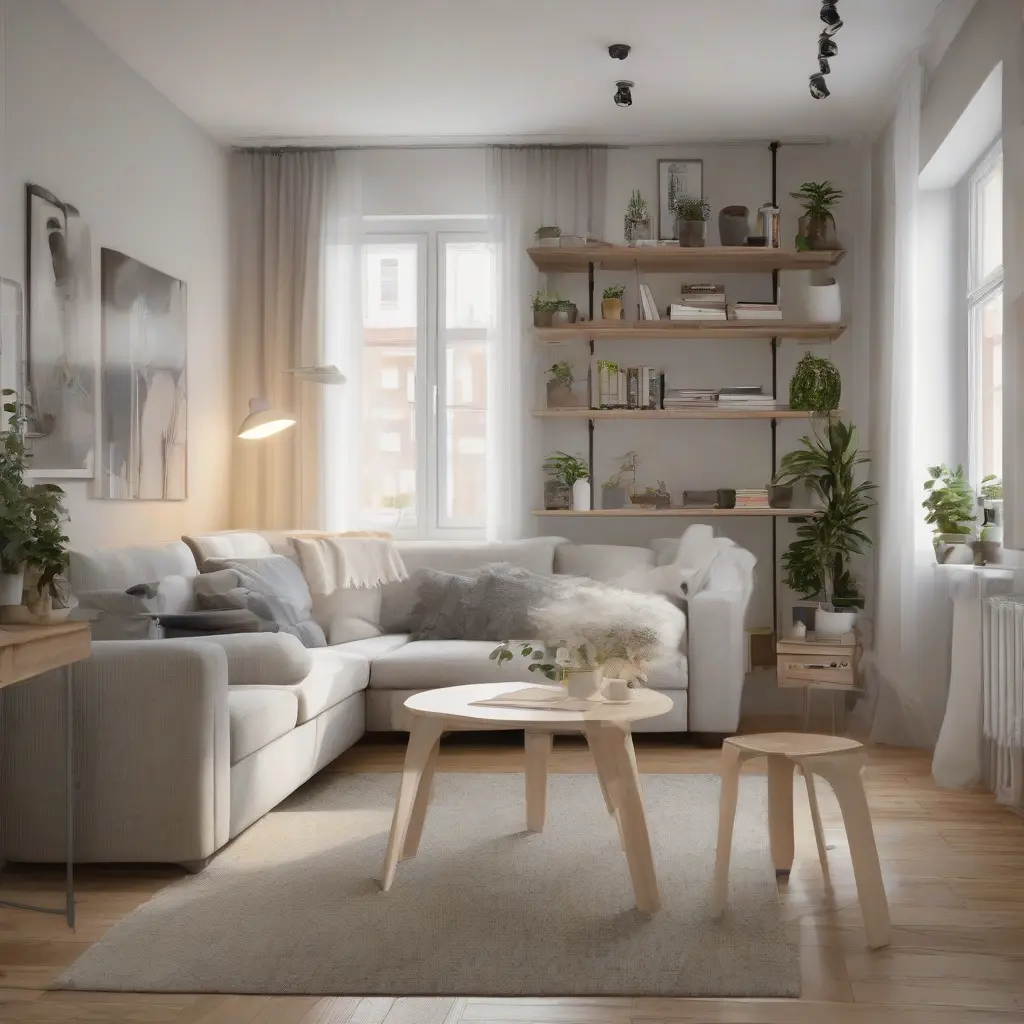
Sofas are central to any living area, and their size can greatly influence the overall space. A standard three-seat sofa usually measures between 76 to 86 inches in length, about 30 to 40 inches in depth, and 28 to 36 inches in height. For small apartments, considering a loveseat or a compact sofa measuring around 54 to 72 inches can be more appropriate, ensuring that you maintain both functionality and style while avoiding overcrowding. In addition, modular sofas can be a practical choice, as they can be rearranged based on your needs and space availability.
Coffee Table Sizes
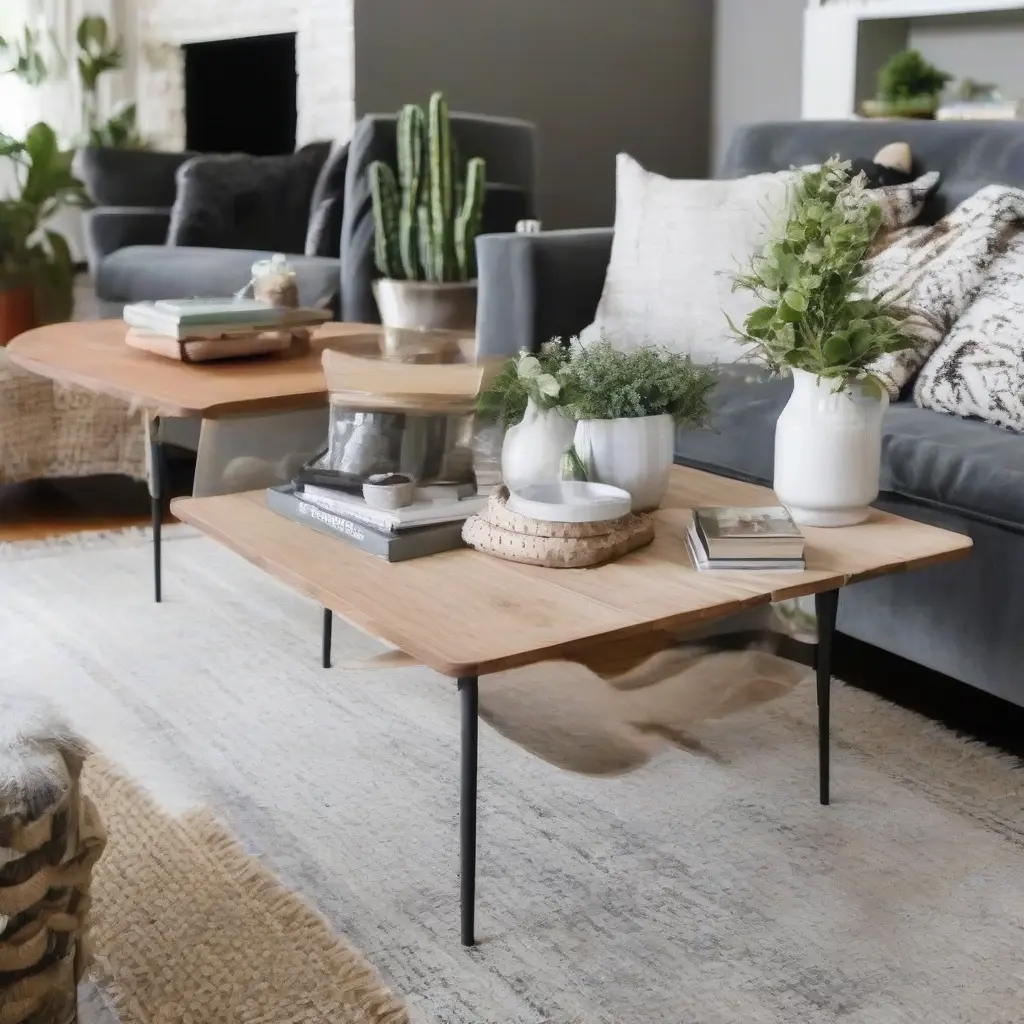
A coffee table serves as both a functional and decorative element in small living areas. The ideal coffee table height typically ranges from 16 to 18 inches, complementing most sofas. Length dimensions usually fall between 36 to 48 inches, while a width of 18 to 24 inches is standard. For petite spaces, consider a round coffee table or nesting tables that can be rearranged or stored easily. This flexibility can create a more open visual field and allow for easy movement within the room.
Dining Table Dimensions
Dining tables are essential for practical meals and gatherings, yet they need to fit comfortably within the available space. A typical rectangular dining table is about 60 to 72 inches long and 36 to 48 inches wide. Alternatively, a smaller round table measuring 30 to 48 inches in diameter can be more suitable for compact areas. When space is at a premium, consider extendable dining tables that can be resized based on your entertaining needs, thus maximizing the usability of your dining area throughout the day.
Bed Size Considerations
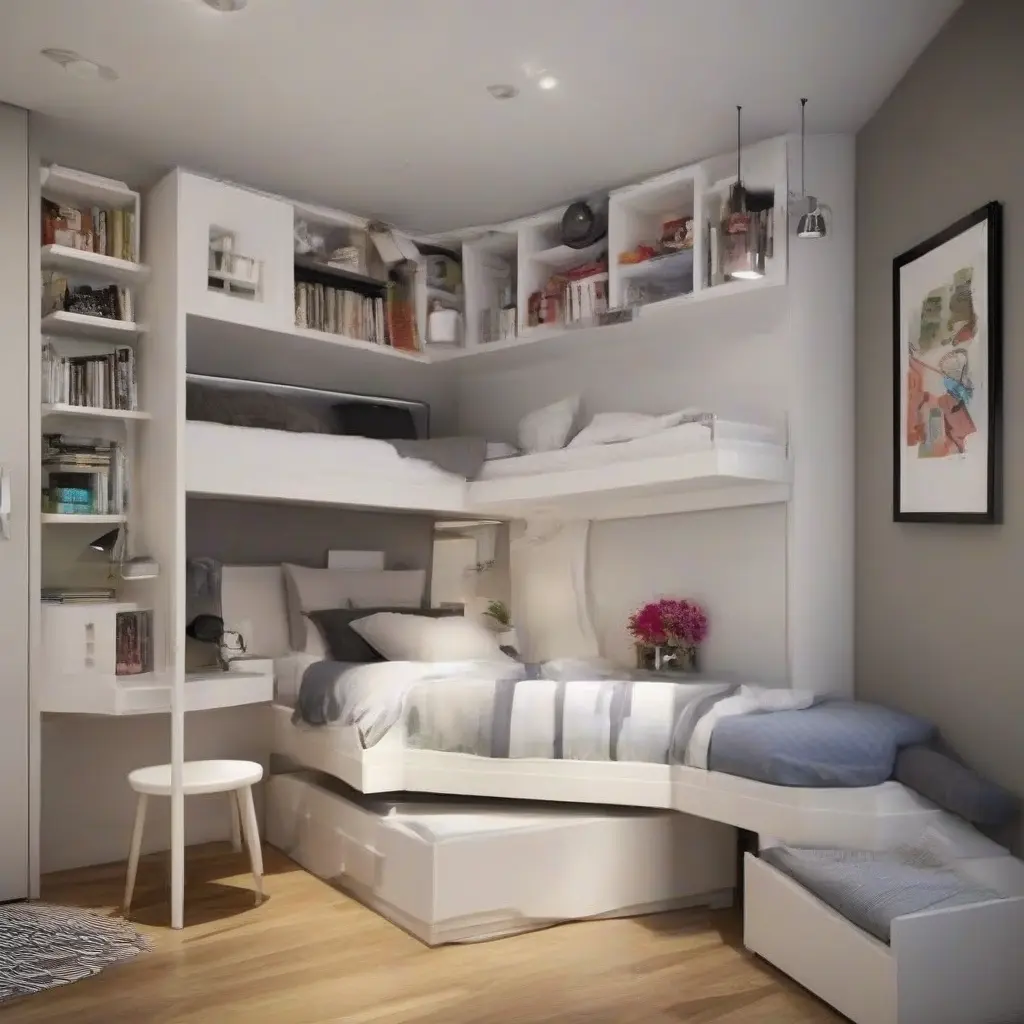
Selecting the right bed size is crucial in small apartments to optimize space without sacrificing comfort. A standard full-size bed measures around 54 inches wide by 75 inches long, making it a common choice for single occupants. However, for couples or those needing extra sleeping space, a queen bed measuring 60 by 80 inches is also recommended. If space is severely limited, consider a lofted or murphy bed design, which can significantly free up floor space during the day, creating a versatile living environment.
Desk Dimensions for Small Spaces
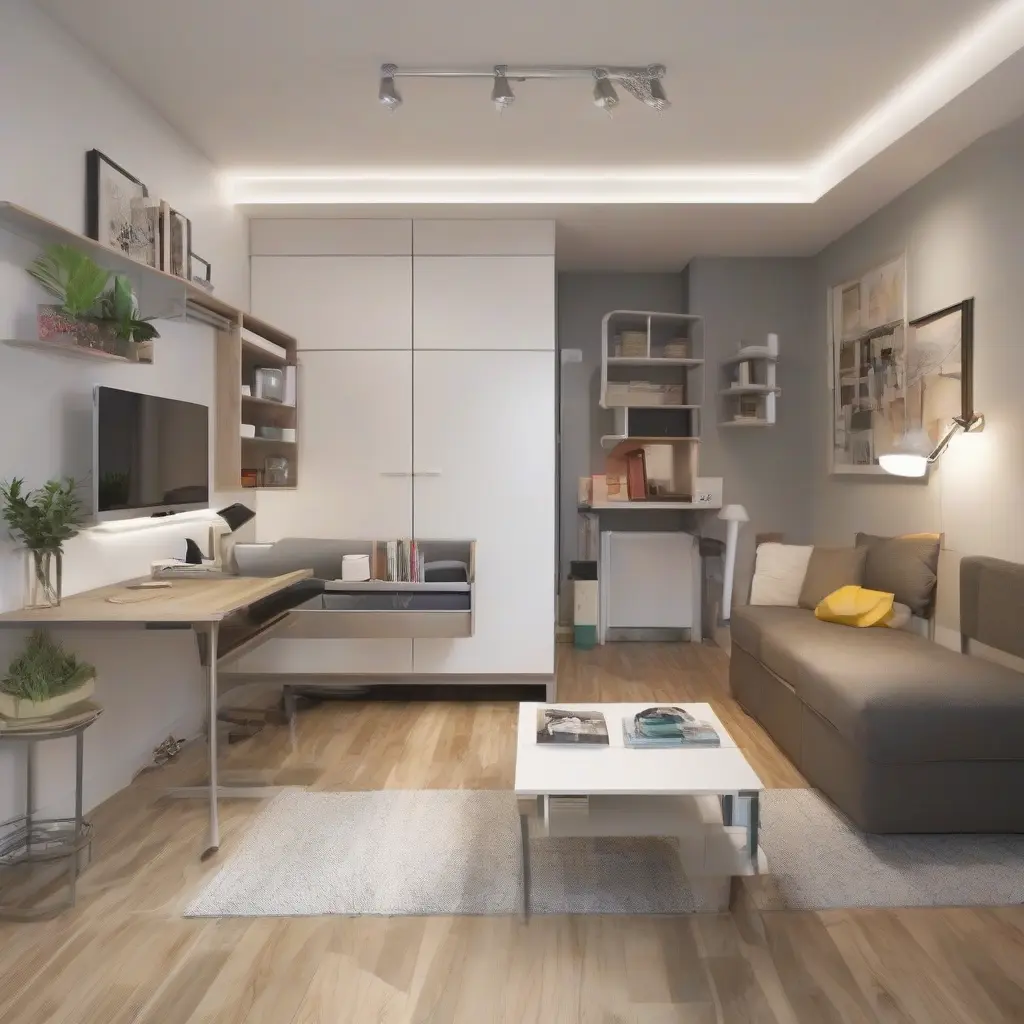
As remote work becomes more prevalent, having an efficient workspace is essential, even in small apartments. A standard desk typically measures 48 to 72 inches in width, 24 to 36 inches in depth, and about 30 inches in height. Compact desks can be as small as 30 inches wide, emphasizing functionality without overwhelming the room. Wall-mounted desks or folding models can also provide a practical solution, allowing you to utilize vertical space and easily stow away when not in use.
Using Shelving Wisely
In small apartments, every inch of vertical space can be utilized effectively through shelving. Standard shelf depths range from 10 to 12 inches, while height can vary based on your requirements. Wall-mounted shelves save floor space and can be positioned to enhance room aesthetics. Look for multi-tiered shelving units or bookcases that can occupy corners or narrow areas, maximizing both storage and display opportunities. This approach not only improves organization but also adds a decorative element to your living space.
Choosing Multi-Functional Furniture
In small apartments, multi-functional furniture can be a game changer. Items like ottomans that double as storage units or coffee tables that convert into dining surfaces can save significant space. Consider sleep sofas or expandable dining sets, which adapt based on your needs. This versatility allows you to maintain a minimal footprint while providing essential functionalities, making your living area feel more open and inviting. It’s a practical strategy that can elevate the usability of every piece of furniture in your home.
Arranging Furniture for Optimal Flow
The arrangement of furniture is vital in ensuring that your small apartment feels spacious and welcoming. Start by creating clear pathways between the furniture to facilitate movement and accessibility. Avoid blocking light sources and ensure you have focal points like artwork or plants. Use area rugs to define spaces, especially in open-plan layouts. Consider the dimensions of your furniture and how they interact with each other, prioritizing scale and proportion to create a balanced atmosphere that maximizes both style and comfort.
Utilizing Storage Solutions
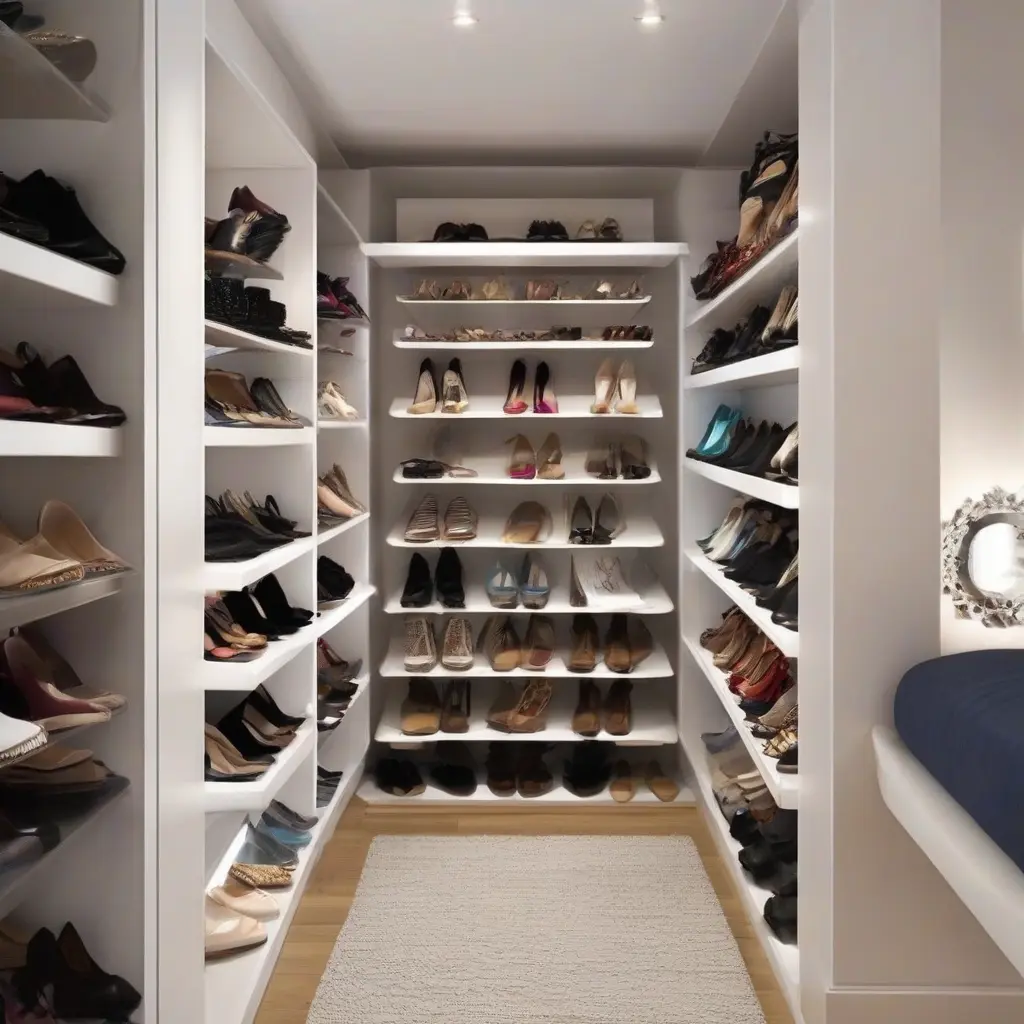
Maximizing storage can be crucial when dealing with limited space in small apartments. Look for furniture with built-in storage, such as beds with drawers underneath or side tables with compartments. Wall-mounted options, such as shelves or cabinets, can keep belongings off the floor and create visual height, making the space feel larger. Additionally, consider utilizing underutilized areas like under the bed or over doors for extra storage. A well-planned storage strategy allows for tidiness while enhancing the overall decor and ambiance of your home.
Conclusion
Understanding essential furniture dimensions is key to making small apartments functional and stylish. From selecting sofa sizes to maximizing space with multi-functional furniture, thoughtful planning can transform any limited area into a welcoming haven. By applying these insights, you can create a balanced and harmonious living environment that meets your needs while showcasing your personal style.