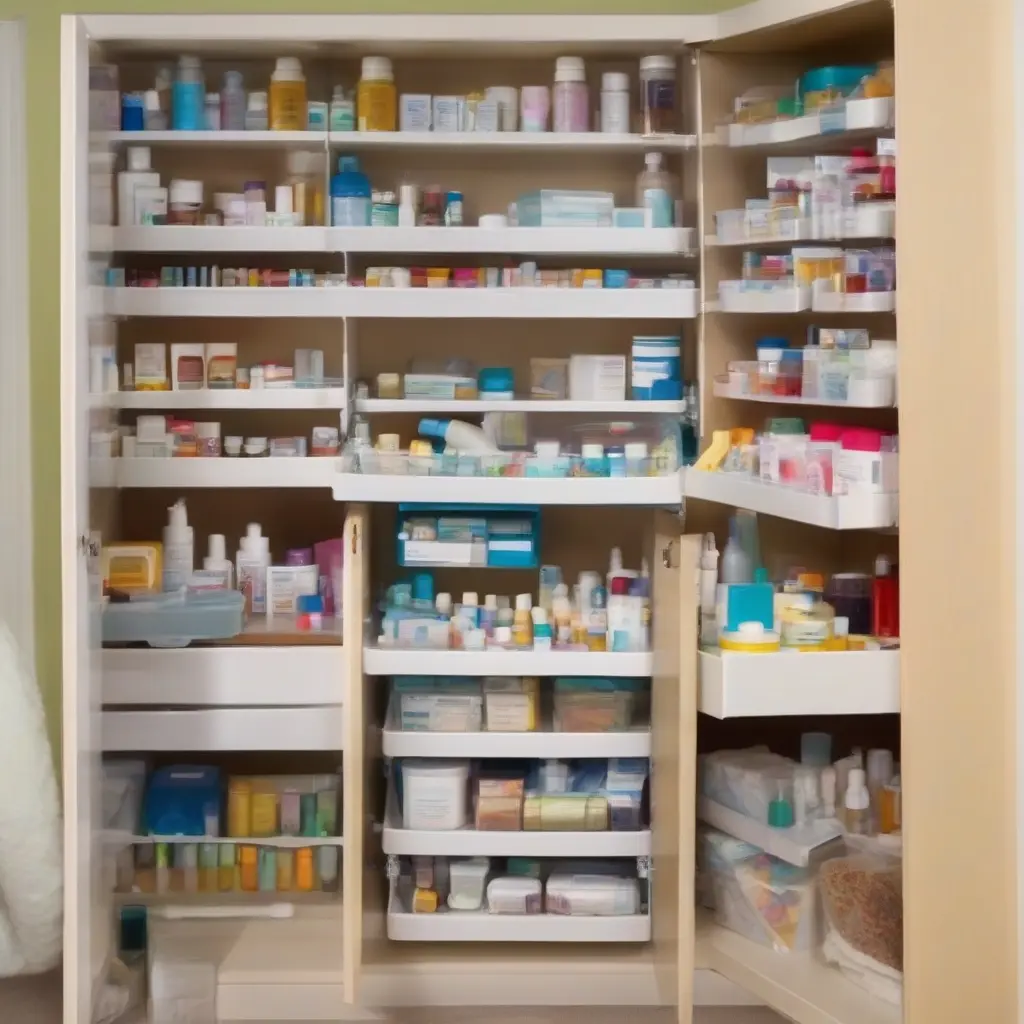
Organizing medications and health supplies in your bedroom is essential for maintaining a tidy and efficient living space. A well-organized area not only enhances accessibility when you need medications, but it also promotes better health management. By employing effective strategies for categorization, storage, and labeling, you can create an environment that minimizes clutter and ensures that medical supplies are easy to find. This guide will delve into practical tips and organizational methods to optimize your bedroom setup for health-related items.
Assessing Your Current Supplies and Medications
The first step in organizing your medications and health supplies is to assess what you currently have. Take inventory of all medications, vitamins, and health-related items in your bedroom. Separate expired or unused medications for safe disposal. This not only makes space but also ensures that you are aware of what you have on hand. Keep a list of these items, which can prove beneficial for tracking what needs replenishing. Regular assessments can prevent clutter and make sure you always have necessary supplies.
Creating a Designated Storage Area
Establishing a specific location for storing medications and health supplies is essential for easy access. Dedicate a drawer, shelving unit, or basket specifically for these items. Ensure this area is cool and dry, away from direct sunlight, to maintain the integrity of medications. Using transparent containers can help you visually identify what’s inside, while labeled bins can make finding specific items even easier. Having a clear and organized storage area will reduce stress during times when you need to locate these essential supplies quickly.
Utilizing Organizational Tools
Maximizing the efficiency of your storage area can be achieved by incorporating various organizational tools. Drawer dividers, pull-out shelves, and tiered racks can help categorize different types of health supplies or medications. Consider using medication organizers that have compartments for each day of the week, or for multiple times a day, making it simple to keep track of your doses. These tools prevent overcrowding and confusion, allowing you to easily locate what you need without sifting through a pile of supplies.
Labeling for Quick Identification
Labeling is a crucial step in the organization process, enabling quick identification of medications and supplies. Use clear, legible labels on containers and storage areas, indicating contents and any important information such as dosage or expiration dates. For additional clarity, color-coded labels can be used to differentiate between various family members’ medications. This simplifies the process of finding and replenishing supplies, reducing the chances of confusion and potential medication errors.
Establishing a Medication Management Routine
Creating a medication management routine helps ensure that you consistently monitor usage and expiration dates. Set reminders to check your supplies every month, replacing expired items and noting what needs restocking. Incorporate this routine into your calendar or smartphone, making it visible to all family members who may also need to access medications. By developing this routine, you maintain an organized space while also staying on top of your health needs, ultimately simplifying your healthcare management.
Incorporating a Daily Health Tracker
Using a daily health tracker can further streamline the organization of your medications and health supplies. This can be a simple notebook or a digital app that records daily medication intake, health symptoms, and reminders. By tracking your health, you can identify patterns that may require attention, while also ensuring adherence to medication schedules. These records can be beneficial for healthcare appointments, as they provide a detailed account of your health status and medication use.
Safely Disposing of Unused Medications
Proper disposal of unused or expired medications is crucial for safety and environmental reasons. Many pharmacies offer take-back programs to safely dispose of medications. If that’s not an option, follow guidelines for disposal at home, such as mixing medications with unpalatable substances and placing them in sealed bags before tossing them in the trash. Always remove personal information from prescription bottles to protect your privacy. Adhering to safe disposal methods helps reduce risks of accidental ingestion and environmental contamination.
Involving Family Members in Organization
Getting family members involved in the organization of medications and health supplies can foster a shared responsibility for health management. Educate them about the importance of keeping medications organized and how they can help maintain the system you’ve set up. Encourage them to take part in regular checks of the supplies and involve them in restocking necessary items. This collaborative approach not only enhances organization but also promotes good health practices within the household.
Staying Informed About Medication Management
Keeping informed about medication management best practices is key to effective organization. Regularly review reliable resources for any updates on your medications’ interactions, side effects, and signs of expiration. Joining community seminars or online forums can also provide additional insights and tips from healthcare professionals and fellow individuals managing medications. Staying informed empowers you to make better decisions regarding your health supplies and ensures your storage methods remain effective.
Conclusion
In conclusion, organizing medications and health supplies in your bedroom is a straightforward process that can significantly enhance your daily life. By applying the strategies discussed, such as creating designated spaces, utilizing organizational tools, and involving family members, you can develop an efficient system that promotes health management. Regularly maintaining this organization will ensure your items remain accessible and your health stays prioritized.