In the world of small living spaces, maximizing light and creating an illusion of space are crucial for making a home feel more open and inviting. One simple yet effective solution is the strategic use of mirrors. Mirrors bounce light around the room, making it feel brighter, and they can create depth, making a space appear larger than it actually is. These reflective surfaces come in various styles and sizes, allowing for creative designs that can complement any decor. Whether you’re dealing with a compact apartment or a cozy studio, incorporating mirrors can significantly enhance your living environment.
Understanding the Effects of Mirrors on Spatial Perception
Mirrors have a unique capability to alter spatial perception in a room. By reflecting light and scenery, they create depth, making small spaces feel more expansive. When placed thoughtfully across from windows or light sources, mirrors capture and amplify natural light, brightening even the dimmest corners. This reflection not only improves visibility but also creates a sense of continuity, causing the eye to travel through the room rather than feel confined by its physical boundaries. This perception shift can transform a cramped space into a more airy, open atmosphere.
Choosing the Right Type of Mirror for Your Space
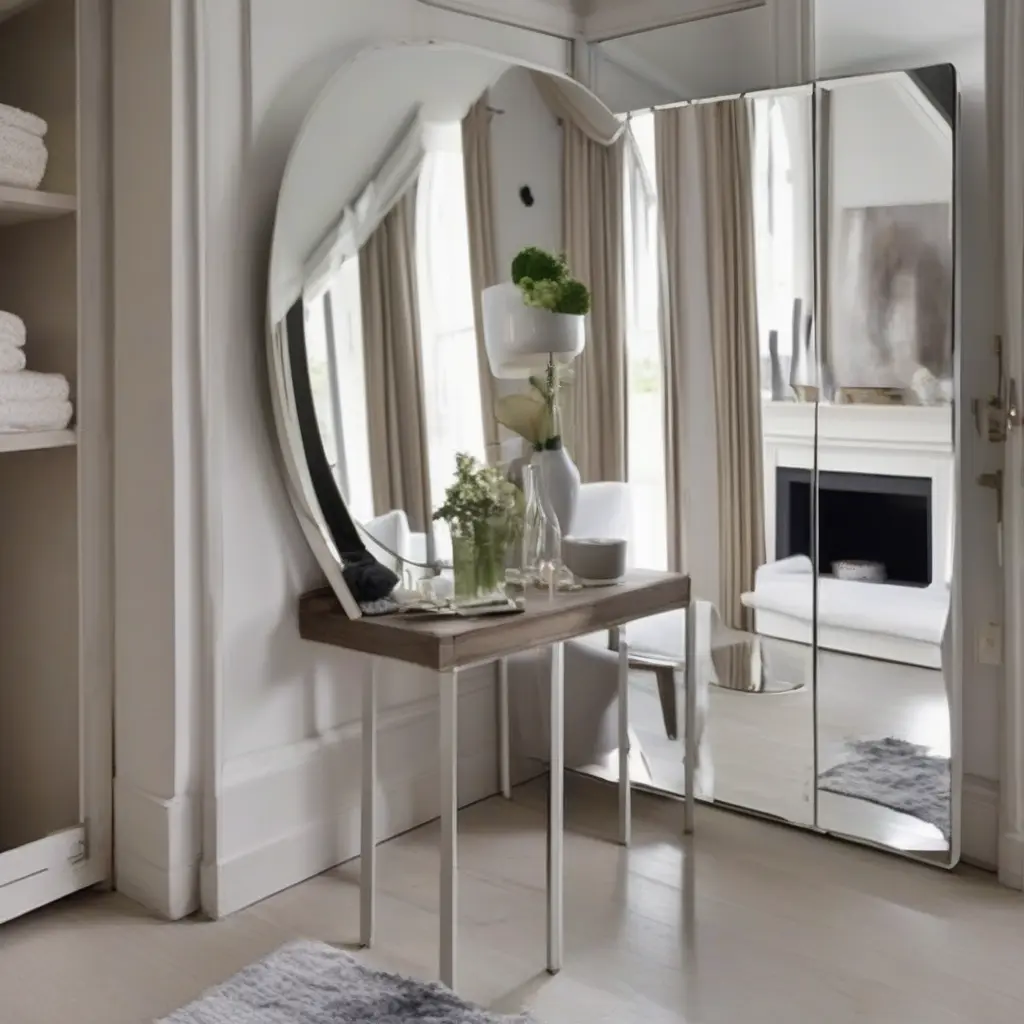
Selecting the appropriate mirror for your small living area is crucial for achieving the desired effect. Consider the size, shape, and style of the mirror to ensure it complements your decor and meets your functional needs. Large, floor-to-ceiling mirrors are ideal for expansive reflection, while smaller, decorative mirrors can add character without overwhelming the space. Additionally, round mirrors tend to soften the sharp angles of small rooms, creating a more inviting ambiance. Assessing these factors will help you choose mirrors that enhance your room’s light and overall aesthetic.
Strategic Placement of Mirrors for Maximum Impact
The placement of mirrors significantly influences how effectively they enhance light and space. Hanging a mirror directly across from a window can maximize natural light, reflecting it throughout the room. If wall space is limited, consider using mirrored furniture, such as coffee tables or cabinets, to incorporate reflective surfaces without traditional wall-mounted mirrors. Additionally, positioning mirrors in tight hallways or corners can draw the eye and create the illusion of wider spaces. Thoughtful placement ensures that mirrors serve their purpose effectively while contributing to the overall design.
Using Mirrors as Focal Points
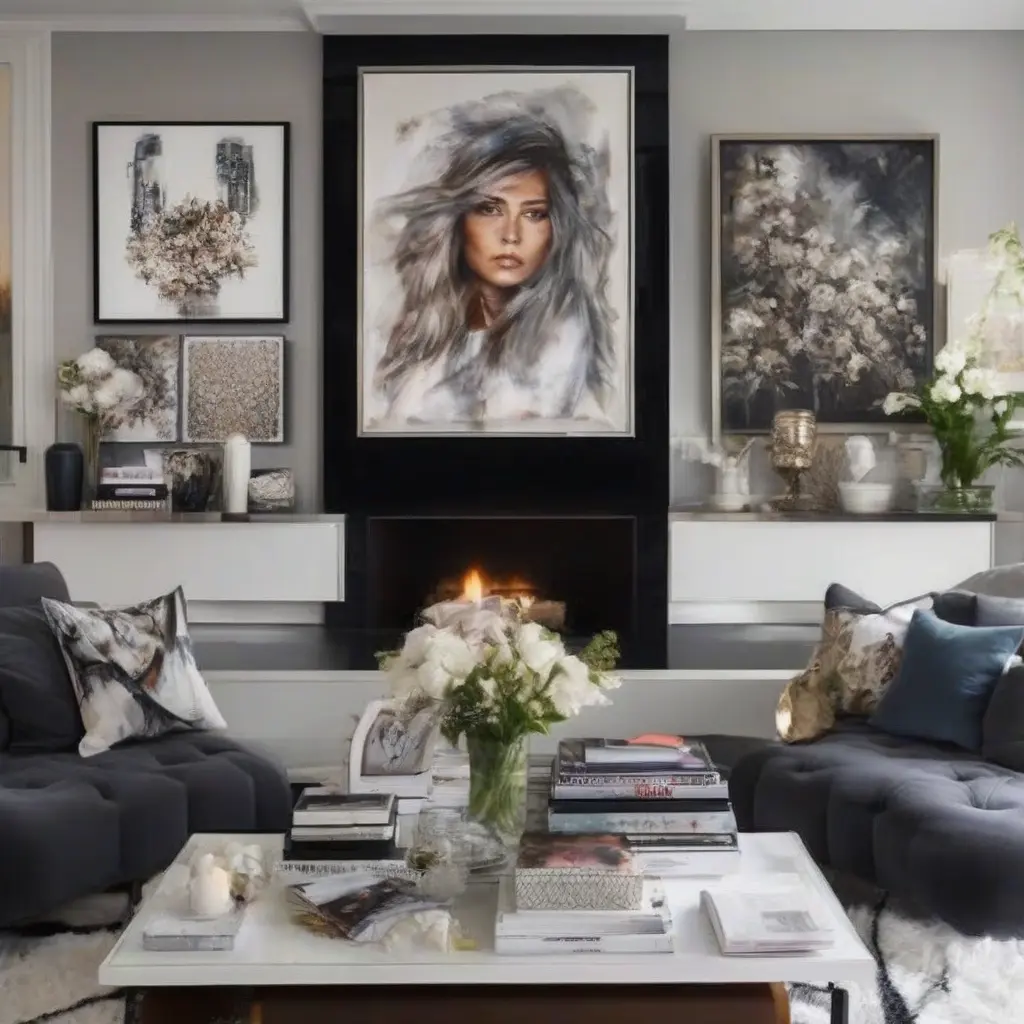
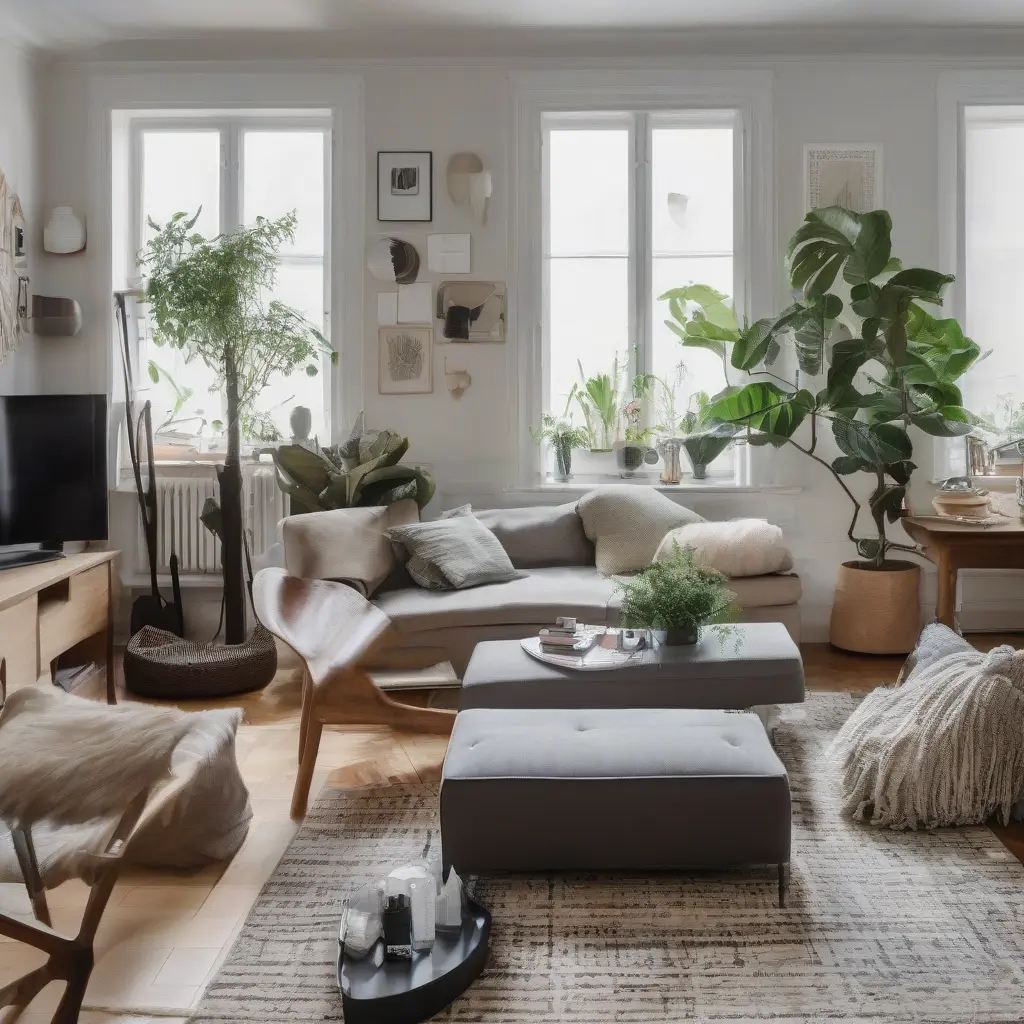
Mirrors can serve as striking focal points in small living areas, drawing attention and sparking interest. Choosing a uniquely shaped or artistically framed mirror can make it a centerpiece of the room, showcasing its aesthetic while still functioning practically. By placing such mirrors in prominent locations, you not only enhance the light and space but also create a visual statement. These focal point mirrors can be complemented with surrounding decor, such as artwork or decorative plants, to create a well-rounded, inviting scene that captivates visitors.
Incorporating Mirrors into Your Decor Style
Mirrors can harmonize beautifully with various decor styles, from modern minimalist to bohemian eclectic. For a contemporary feel, choose sleek, frameless mirrors or geometric shapes. In contrast, vintage or ornate frames can provide a classic elegance to traditional settings. Additionally, colors and finishes can be used to match or accentuate room themes. Integrating mirrors that resonate with your existing decor will create a seamless look while maintaining functionality. This synergy enhances not only the light quality but also the overall aesthetic of your living space.
Maintenance Tips for Mirrors in Small Spaces
Maintaining mirrors in small living areas ensures they remain a beneficial design element. Regular cleaning is essential to keep mirrors free from dust and fingerprints, which can diminish their reflective quality. Use a soft cloth and a gentle glass cleaner to avoid scratches. Additionally, be aware of how the placement of mirrors can affect their longevity; for instance, mirrors near heat sources may require more frequent dusting. By implementing a simple maintenance routine, you can ensure that mirrors continue to enhance both the light and the aesthetics of your space for years to come.
Exploring Creative Mirror Arrangements
Creative arrangements of mirrors can add a dynamic aspect to small living areas, allowing for unique expressions of style. Consider clustering smaller mirrors in a gallery wall formation, mixing different shapes and sizes for visual interest. Alternatively, using mirrored tiles can create an eye-catching feature wall. Another idea is to frame mirrors with decorative elements such as shelving or plants, blending functionality with aesthetic appeal. These innovative arrangements not only enhance the light and perception of space but also transform a bare wall into an artistic display.
Maximizing Natural Light with Mirrors
Maximizing natural light is crucial in small living areas, and mirrors can play a vital role in this aspect. Position mirrors to reflect windows or outdoor views, bringing the scenery indoors. During the day, this reflection amplifies natural light, making the area feel more vibrant and open. Additionally, consider adjusting the type of coverings on your windows; sheer drapes allow more light to flow through. Working in tandem with mirrors, these elements create a luminous, welcoming space ideal for relaxation or entertaining guests.
Understanding the Psychology of Light and Space
The psychological impact of light and space cannot be overstated, especially in small living areas. Bright environments promote feelings of happiness and positivity, while cramped, dark spaces can lead to feelings of stress or discomfort. By cleverly using mirrors to enhance light, you can significantly improve your wellbeing at home. Light-filled rooms are not only more inviting but also conducive to productivity and relaxation. Understanding this connection empowers you to create a home that supports your emotional and mental well-being through thoughtful design choices.
Conclusion
Incorporating mirrors into small living areas is an effective strategy for enhancing light and space, vital for creating a comfortable atmosphere. From understanding placement to selecting the right styles, mirrors can transform any compact area into a vibrant home. Their ability to reflect natural light not only boosts brightness but also alters spatial perception, making rooms feel larger. By thoughtfully integrating mirrors into your decor, you can achieve a balanced and inviting living space that supports both aesthetic appreciation and practical functionality.