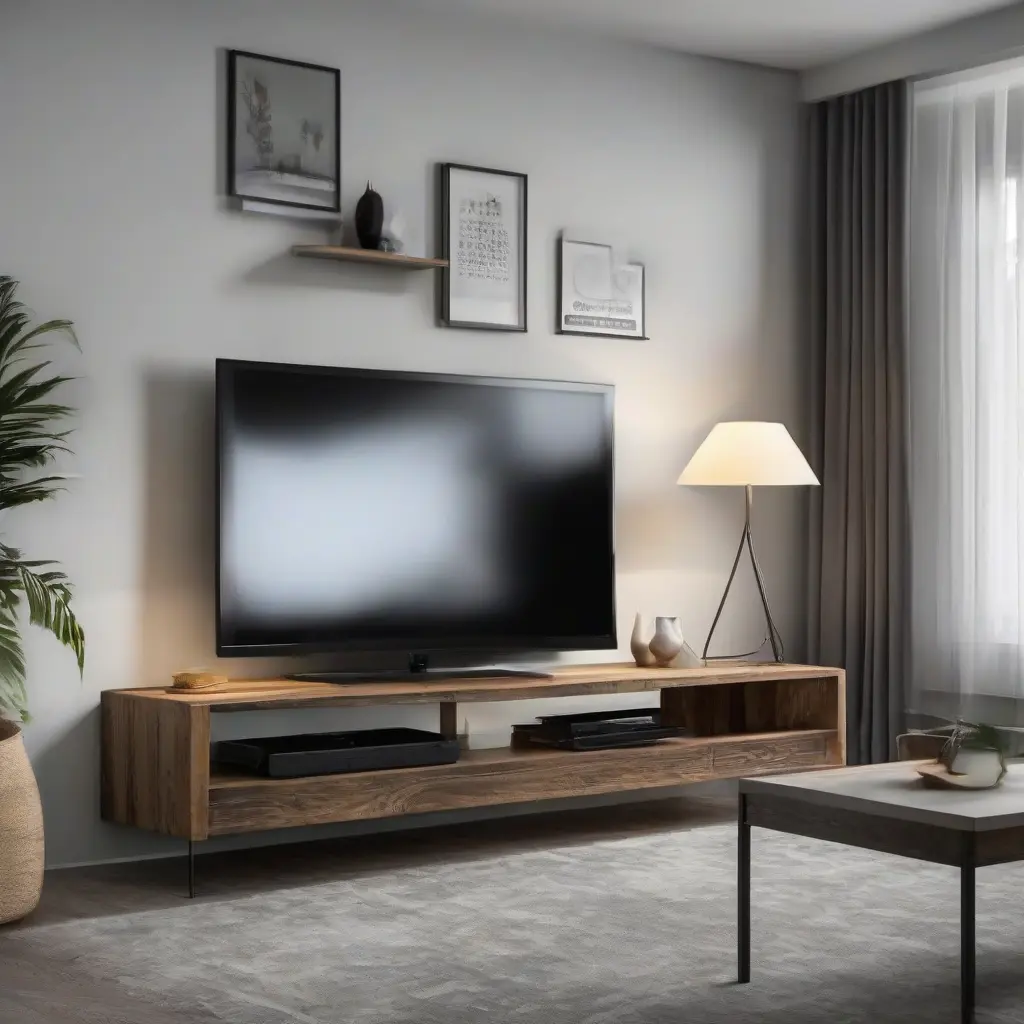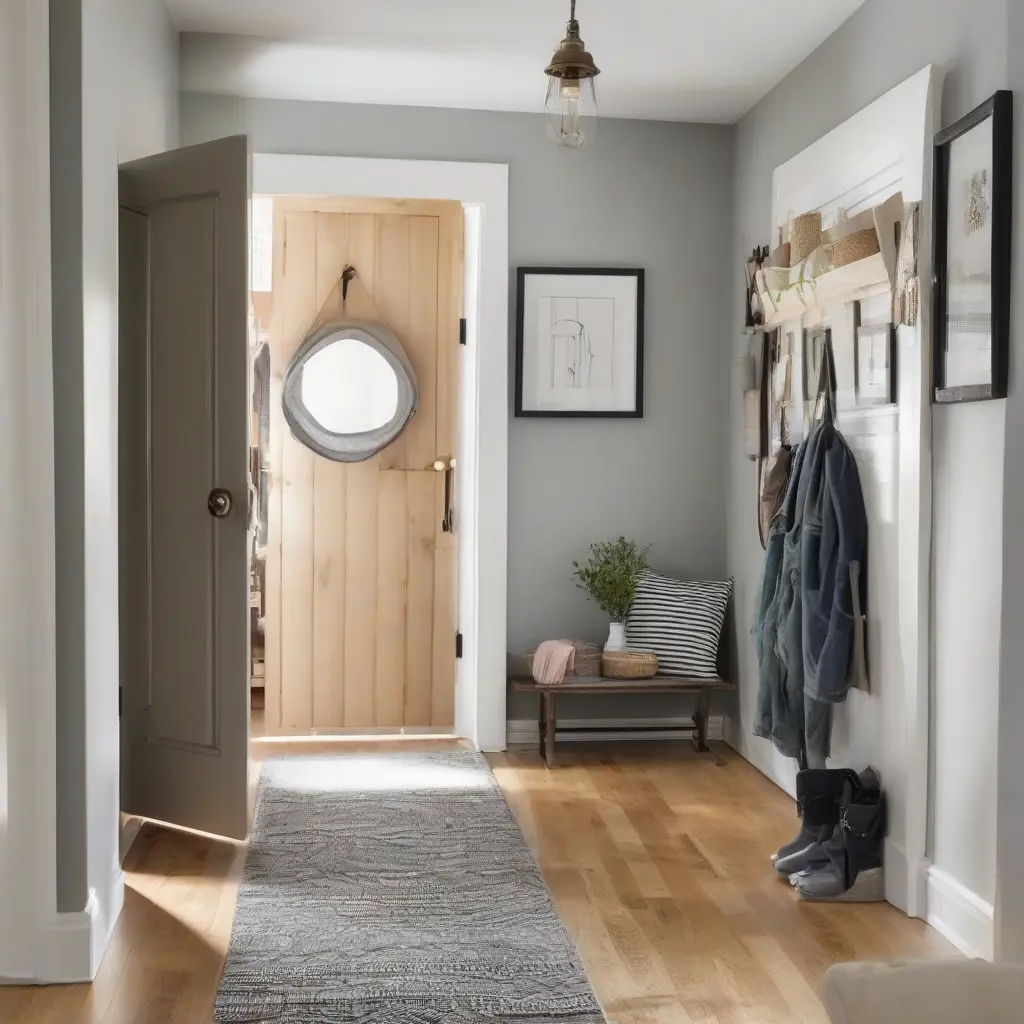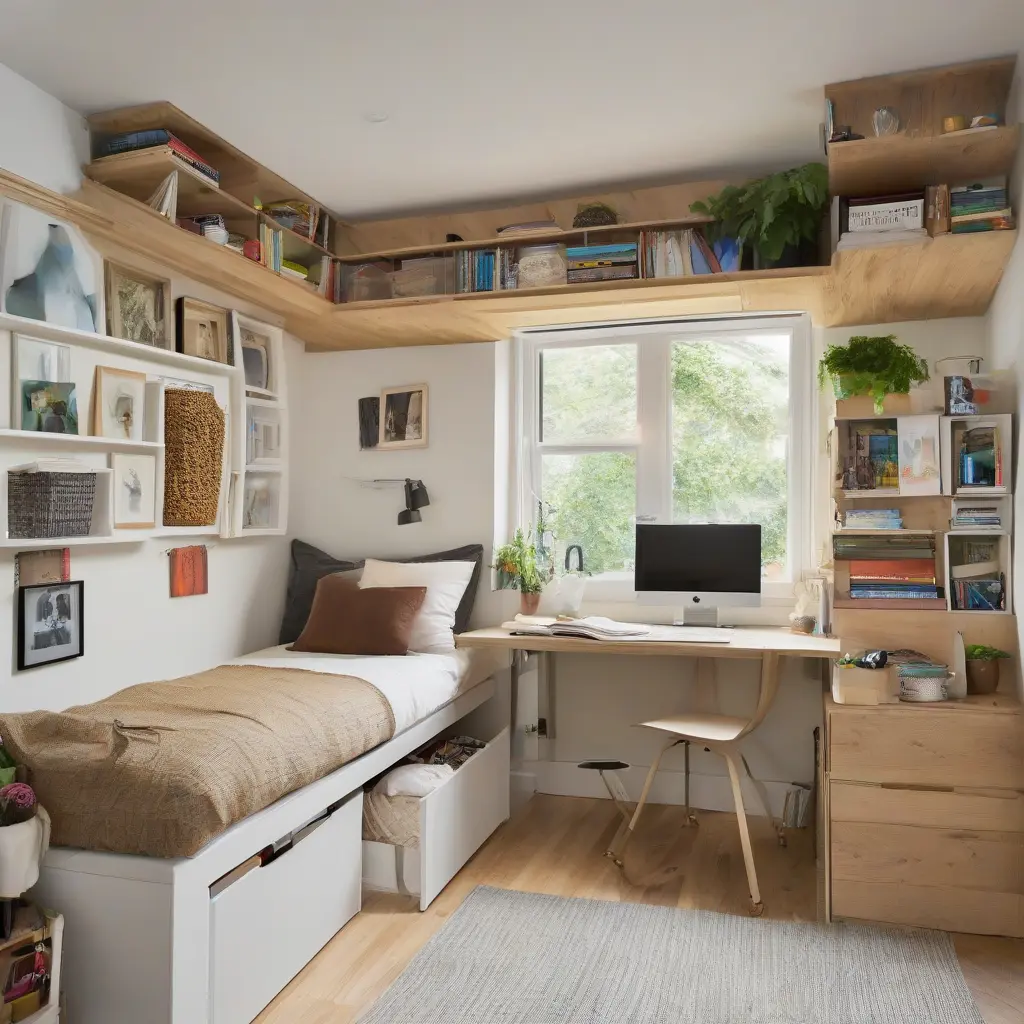
Living in small spaces often necessitates creative solutions for organization and design. This guide focuses on how to effectively utilize nooks and crannies, transforming underused areas into functional, stylish parts of your home. Whether it’s a bedroom, living room, or kitchen, leveraging these often-overlooked spaces can enhance not just storage, but also the overall aesthetic. Get ready to discover practical ideas that harness the full potential of even the tiniest corners in your home.
Identify Underutilized Areas
The first step in maximizing small spaces is to identify underutilized areas. Take a close look at your home and note spots that often go unnoticed, such as the space above cabinets, under staircases, or the corners of rooms. These nooks can be transformed into valuable storage or display areas. By recognizing where space is being wasted, you can start thinking creatively about how to make it useful, which is essential for space optimization.
Install Shelving Units
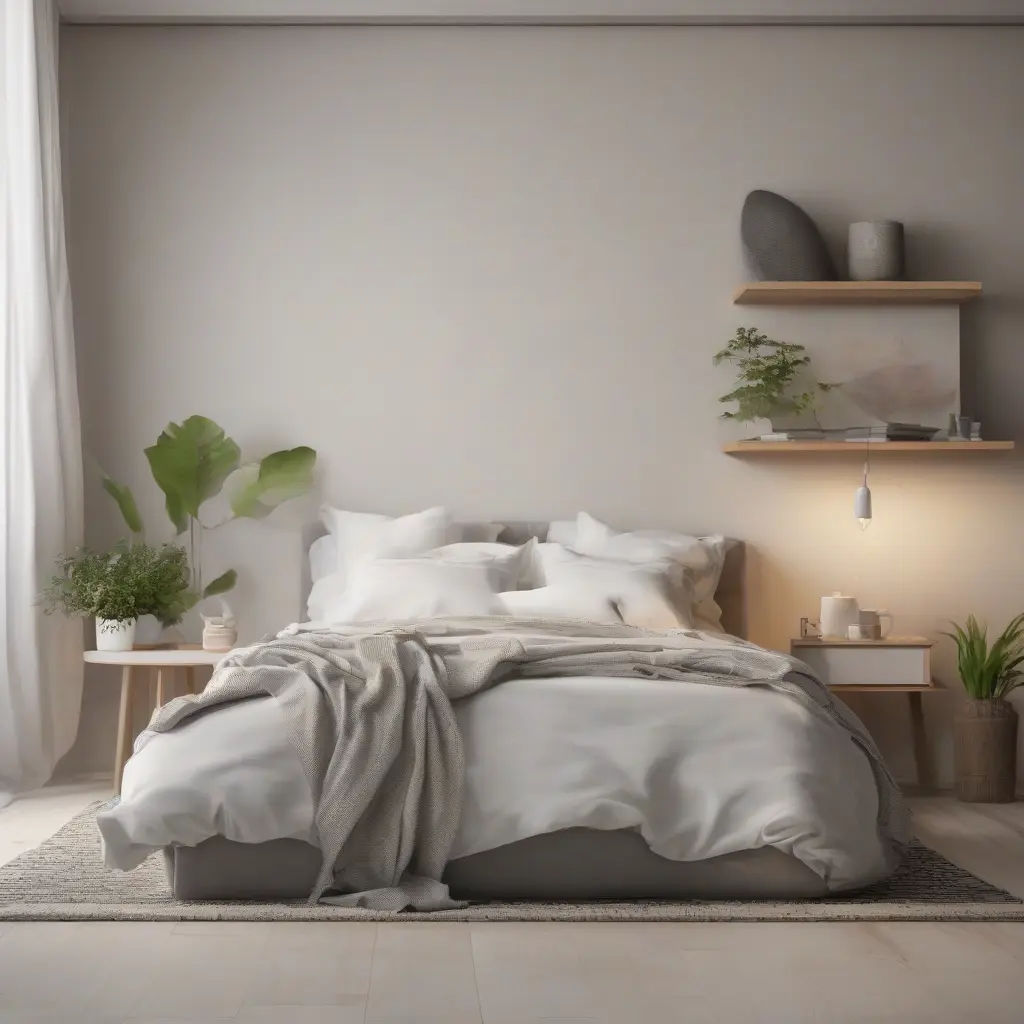
Installing shelving units is an effective way to utilize vertical space in small areas. This not only makes use of walls but also allows you to store items at varying heights. You can create a stunning display of books, decor, or plants, turning a standard wall into a focal point. Floating shelves, in particular, can be placed at different levels to add dimension while freeing up floor space, which is invaluable in small rooms.
Incorporate Multi-Functional Furniture
Incorporating multi-functional furniture can greatly enhance the usability of a small room. Look for items that serve dual purposes, like a bench with storage or a coffee table that can also be used for dining. This approach not only minimizes clutter but also reduces the need for additional furnishings, allowing the room to feel more open and less cramped. By selecting versatile pieces, you can create a flexible space that adapts to various needs.
Use Baskets and Decorative Boxes
Baskets and decorative boxes are excellent for organizing items in small spaces, particularly in nooks and crannies. These storage solutions can tuck neatly into shelves, under beds, or in corners, providing a tidy look while keeping essentials accessible. Opt for stylish designs that complement your decor, as this allows you to maintain aesthetics while maximizing functionality. By using these items strategically, you can avoid visual clutter and create a more cohesive space.
Embrace Foldable Solutions
Foldable furniture is a savvy choice for small spaces, especially if they transform areas quickly. Consider foldable chairs, tables, or even wall beds, which can be tucked away when not in use. This approach allows you to create a flexible space that accommodates guests or hobbies without permanently sacrificing square footage. When everything has a place, your home will feel more organized and functional.
Hang Hooks and Pegboards
Using hooks and pegboards is another effective way to maximize small spaces. These can be installed in various nooks, not just in kitchens and entryways but also in bathrooms and laundry rooms for hanging towels or tools. They are excellent for keeping items off the floor, which is ideal for smaller areas. Selecting colorful or artistic designs can also add visual interest while enhancing the functional aspect of these spaces.
Utilize Door Space
Don’t overlook the potential of door space for optimizing your small areas. Over-the-door organizers are perfect for storing shoes, accessories, or cleaning supplies. This not only saves floor space but also keeps frequently used items conveniently located. By capitalizing on what is often wasted space, you bring greater organization to chaotic areas, making your daily routines smoother and more efficient.
Create Cozy Reading Nooks
Creating cozy reading nooks in small spaces enhances both functionality and relaxation. Use corners or alcoves to place a comfortable chair with a small side table. Add shelves for books or a small lamp for lighting, transforming an overlooked area into a personal retreat. This not only makes use of otherwise empty spaces, but it also contributes to a more inviting atmosphere in your home.
Maximize Closet Space
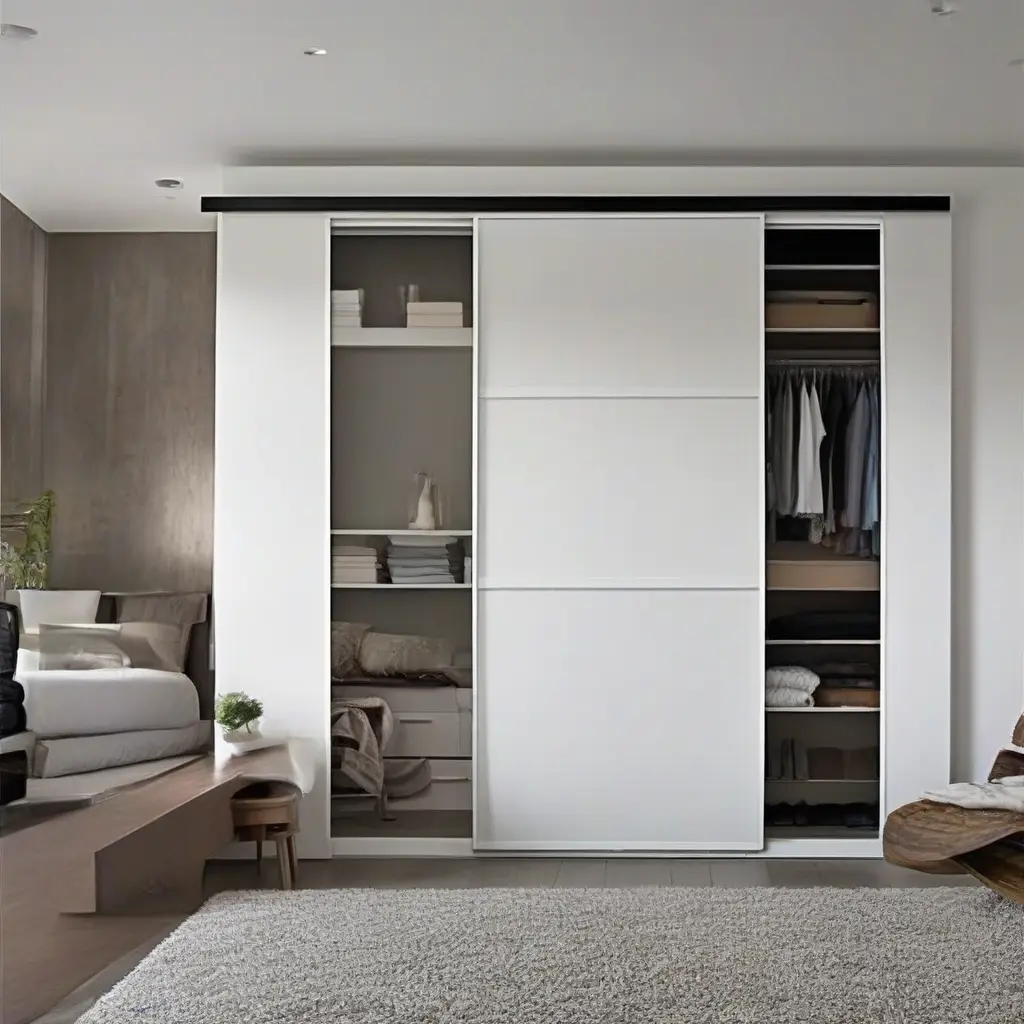
Maximizing closet space is crucial in small homes where storage is limited. Utilize organizers, shelves, or hooks inside closets to ensure everything from clothing to shoes has its place. Consider vertical storage solutions that take advantage of height, making the most of every inch available. By decluttering and organizing your closets, you’ll enhance overall space efficiency while ensuring that your belongings remain tidy and easy to access.
Add Mirrors for Illusion of Space
Incorporating mirrors strategically can create an illusion of depth and space in small areas. Placing a large mirror on a wall or using mirrored furniture can reflect light and visually expand your room. This simple trick can make a tight area feel airier and more open. Consider hanging mirrors in nooks or behind furniture to maximize their effect without consuming additional space.
Consider Vertical Gardens
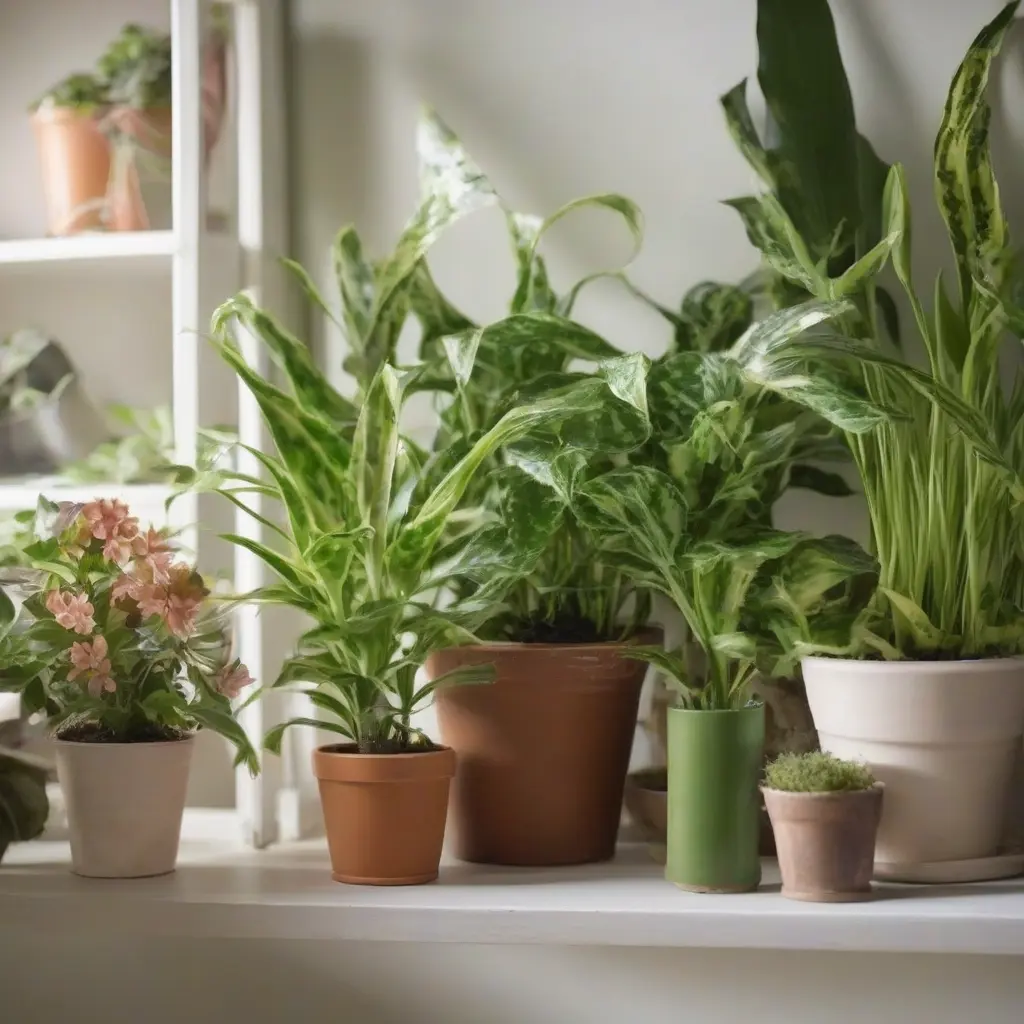
Vertical gardens are a delightful way to utilize small spaces while also adding greenery to your home. These can be set up in corners or along walls, taking up minimal horizontal space while creating a lush ambiance. Herbs, succulents, or decorative plants can thrive in these settings. Not only do they beautify a room, but they also improve air quality, making your home both inviting and healthy.
Make Use of Under-Bed Storage
Under-bed storage is often overlooked, yet it can significantly increase your organization options in a small space. Use storage bins or drawers to keep seasonal clothes, shoes, or extra bedding neatly tucked away. This takes advantage of otherwise wasted space while keeping items within easy reach when needed. It’s a simple yet effective way to clear clutter without sacrificing essential belongings.
Optimize Natural Light
Maximizing natural light can enhance the feeling of spaciousness in small areas. Use sheer curtains or strategically place mirrors to allow more light to filter through. This not only makes a room feel larger but also creates a warm, welcoming environment. Keeping spaces bright and airy is essential for small room design, making it crucial to consider how light interacts with your layout and decor.
Conclusion
Utilizing nooks and crannies in small spaces requires creativity and strategic thinking. By implementing various techniques such as adding shelves, multi-functional furniture, and embracing vertical space, you can maximize functionality while enhancing aesthetics. These practical strategies not only improve organization but also transform underused areas into inviting parts of your home, proving that even small spaces can be both stylish and efficient.