Designing a small space for children can present unique challenges, yet it offers the perfect opportunity to cultivate creativity and functionality. Utilizing limited square footage requires thoughtful planning to create an environment that promotes play while serving everyday needs like studying or sleeping. By incorporating multi-functional furniture, creative storage solutions, and vibrant decor, you can transform a compact area into a joyful haven. This article will provide insights into making the most of small spaces for kids, ensuring these areas are both practical and exciting.
Maximize Vertical Space
In small areas, maximizing vertical space is essential. Utilizing wall-mounted shelves not only frees up floor space but also allows for easy access to books and toys, keeping the room organized. Vertical storage solutions can include tall bookshelves, pegboards, or hanging storage racks, which add character while providing functionality. Colorful bins and baskets can further organize items, encouraging children to participate in tidying up. By shifting the focus upward, you create a more open environment and make every inch count.
Create Multi-Functional Furniture
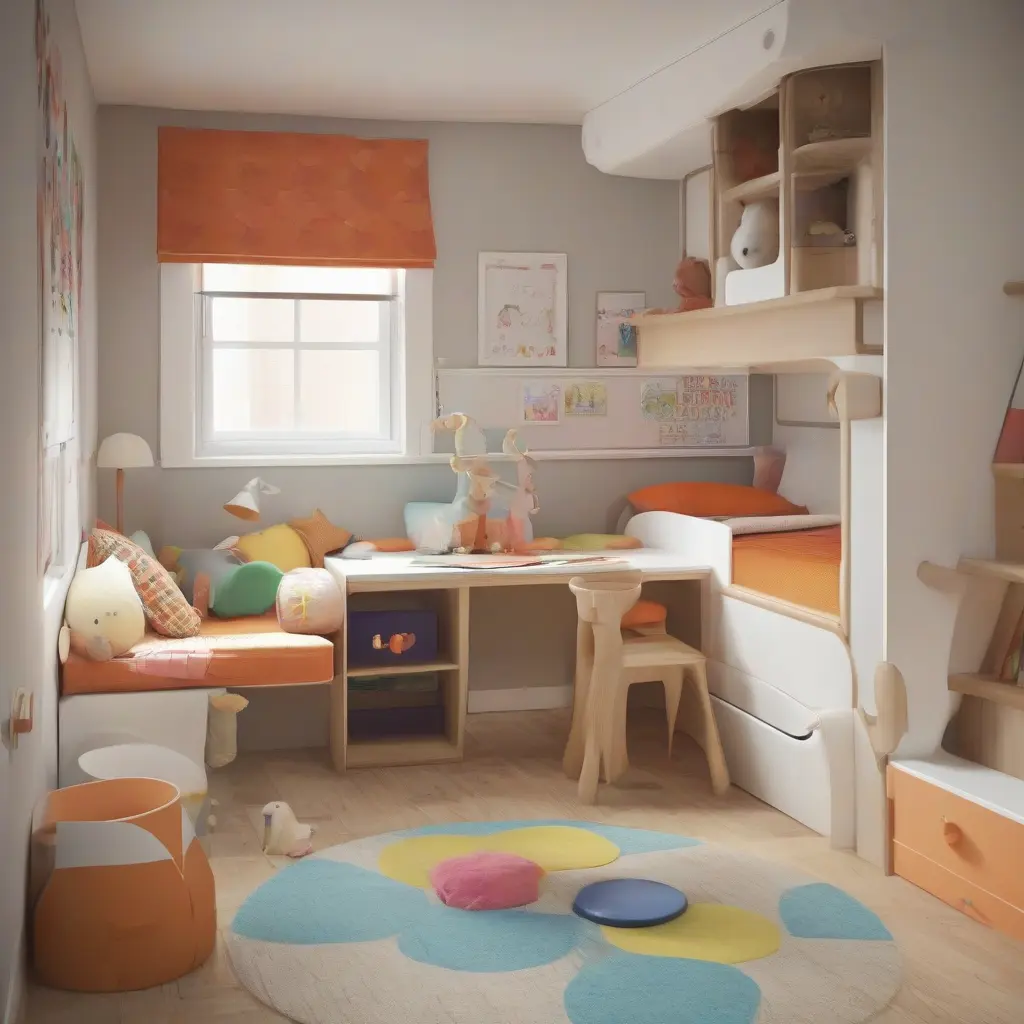
Selecting multi-functional furniture is a smart approach to optimizing small spaces for kids. Pieces like a bed with built-in storage drawers or a convertible sofa that turns into a play area can significantly enhance usability. Ottomans that serve as both seating and storage are also great additions. When choosing furniture, consider items that can adapt as your child grows, ensuring that the investment remains practical over time. This not only saves space but also allows for flexibility in how the area can be used.
Incorporate Fun Color Schemes
Color plays a vital role in setting the mood for a child’s room and can even make a small space feel larger. Bright, cheerful colors can inspire creativity and joy, while softer hues lend a sense of calm. Consider using a vibrant accent wall or playful decals to add personality without overwhelming the area. You can also utilize color to define different zones within the room, such as a sleeping area and a play area, by using cohesive yet distinct shades in each space. This keeps the atmosphere engaging and inviting.
Implement Smart Storage Solutions
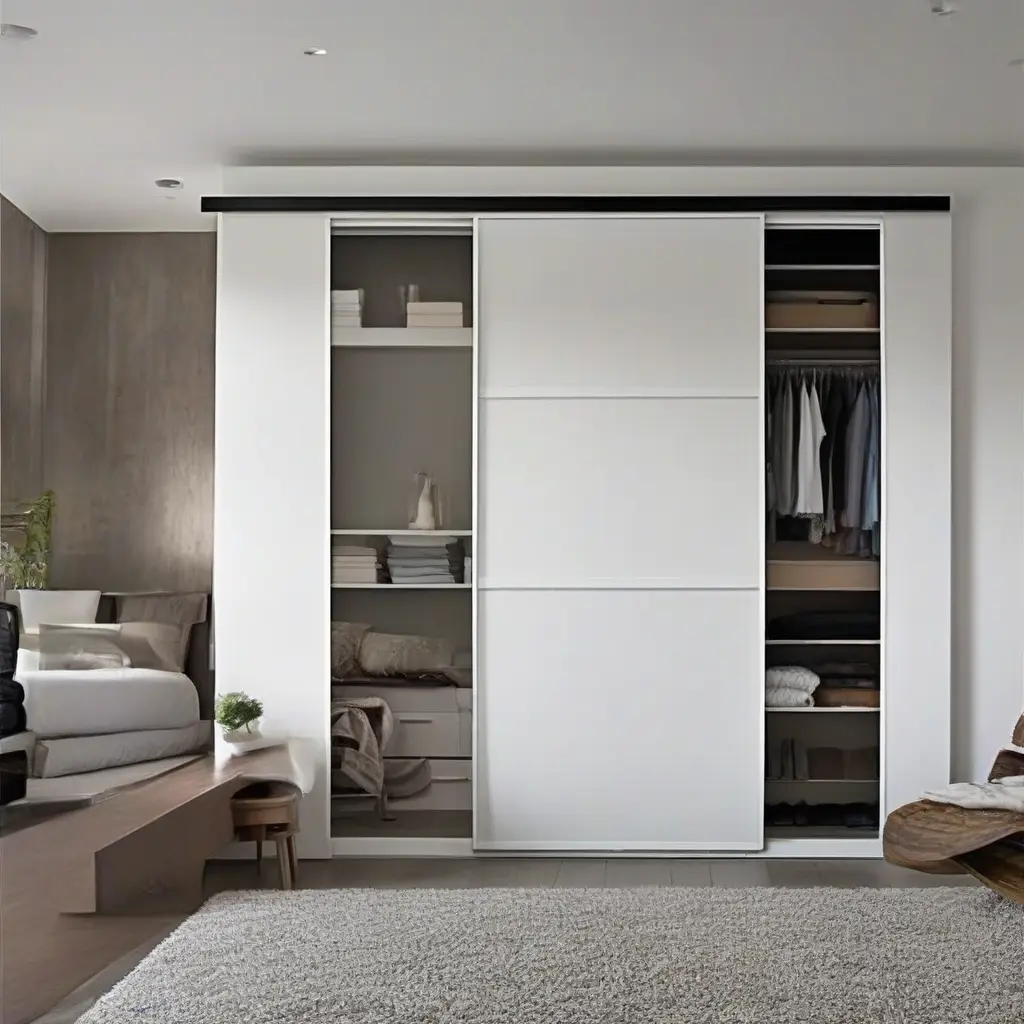
Effective storage solutions are crucial in small spaces dedicated to children. Look for furniture designed with hidden compartments, such as beds with drawers underneath or coffee tables with shelving capacity. Utilize under-bed storage boxes to maximize otherwise wasted space. Cubbies or bins with labels can teach children organization skills while allowing them to easily locate their belongings. By addressing storage creatively, you can keep clutter to a minimum and maintain a functional, enjoyable environment.
Design Zones for Different Activities
Designing specific zones for various activities can optimize the functionality of a small space for kids. For instance, incorporating an area for play, study, and rest helps establish a balance that meets your child’s needs. Soft rugs can demarcate a play area, while a desk or table in a quiet corner can serve as a study zone. By visually separating these areas, you make the space feel organized and purposeful. This approach not only enhances usability but also encourages children to engage in different types of activities.
Add Personal Touches
Personal touches can significantly elevate the overall ambiance of a child’s room. Incorporating elements that reflect your child’s personality, such as their favorite colors or themes, fosters a sense of ownership and pride in their space. Displaying artwork or photographs on the walls creates a personalized gallery that celebrates their creativity. Additionally, consider involving your child in the decorating process, allowing them to choose decorations or organize their toys. This inclusion can deepen their attachment to the space and inspire them to keep it tidy.
Use Modular Furniture
Modular furniture is an excellent choice for small spaces as it allows for versatile configurations. Pieces such as sectional sofas or adjustable tables can be rearranged to fit your needs. Should a playdate occur, you can easily shift the layout to accommodate more friends, creating an inviting atmosphere. Additionally, these types of furniture can adapt as your child grows, making them a longer-term investment. Modular pieces can even be expanded or reduced based on changing needs, ensuring your child’s environment remains functional and enjoyable.
Incorporate Playful Lighting
Lighting can transform the character of a small space, especially in children’s rooms. Incorporating playful lighting options, such as string lights, themed lamps, or even a fun ceiling fixture, contributes to an engaging atmosphere. Layering different types of lighting, such as ambient, task, and accent lights, can help create a warm and inviting environment. Dimmer switches or soft-white bulbs may also provide flexibility for nighttime routines, while colorful or themed fixtures can accentuate playtime. Strategically placed lighting enhances both aesthetics and functionality.
Consider Safety and Durability
When designing a small space for kids, safety and durability should remain top priorities. Opt for non-toxic materials and finishes, ensuring that decor and furniture are designed to withstand wear and tear. Furniture with rounded edges can prevent accidents, while slip-resistant rugs can offer added safety during play. Choosing easy-to-clean fabrics also helps maintain the room’s appearance, especially in high-traffic areas. By prioritizing these aspects, you create a safe, practical, and enjoyable environment that allows children to thrive.
Conclusion
Designing a small space for kids is all about blending functionality with whimsy. By maximizing vertical space, utilizing multi-functional furniture, and incorporating smart storage solutions, you can create an environment that inspires play and learning. Personalizing the space through colors, decorations, and activities further enhances engagement and ownership. Safety and durability remain critical to ensure that the room remains a safe haven for exploration. With careful planning and creativity, even the smallest spaces can become joyful retreats for children.