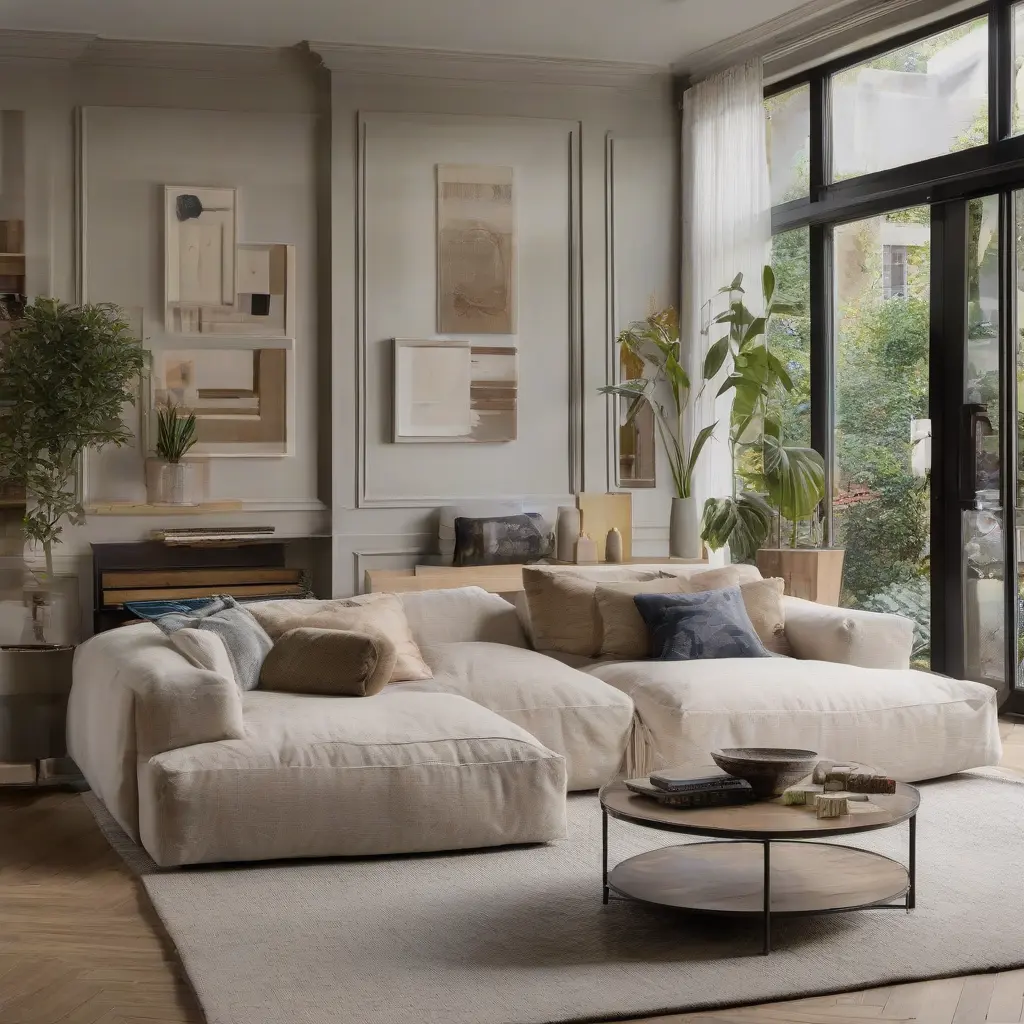
Creating a comfortable living room is essential for relaxation and socializing. A well-designed space not only enhances your home’s aesthetic but also improves the overall functionality. Key elements such as furniture selection, color schemes, lighting, and layout play a crucial role in establishing a cozy atmosphere. This article explores these essential components to help you design a living room that prioritizes comfort without compromising style.
Choosing Comfortable Furniture
The furniture you select will significantly impact the comfort level of your living room. Sofas and chairs should be chosen based on both their aesthetics and the support they offer for relaxation. Upholstered options in soft fabrics, such as cotton or linen, can add a touch of coziness. Additionally, consider the size and layout of the room when selecting furniture to ensure it fits well without overcrowding the space. Modular and sectional sofas can provide versatility, allowing for various seating arrangements as needed.
Color Schemes for a Cozy Ambiance
The right color scheme can create an inviting atmosphere in your living room. Warm tones like soft browns, muted yellows, and earthy greens can evoke a sense of comfort, making the space feel more welcoming. Using neutral colors as a base allows you to incorporate vibrant accents through pillows, rugs, or art. Additionally, consider the natural light available in the room, as it can affect how colors appear. Balancing bright hues with soft shades will enhance the overall warmth of the environment.
Effective Lighting Choices
Lighting plays a vital role in establishing the mood in your living room. A combination of ambient, task, and accent lighting creates a layered effect that enhances comfort. Soft, dimmable overhead lights can set a relaxing tone, while table lamps and floor lamps provide targeted illumination for reading or other activities. Incorporating natural light through window treatments, like sheer curtains, can also improve the ambiance and create an airy feel. Avoid harsh, cold lighting that can create an uncomfortable atmosphere.
Optimal Layout for Flow and Comfort
The layout of your living room should facilitate conversation and ease of movement. Arranging furniture to promote interaction will foster a welcoming environment, especially in social situations. Aim for a circular or semi-circular seating arrangement to encourage engagement. Ensure there is enough space to walk around without constant obstructions. Additionally, placing frequently used items, like coffee tables, within easy reach can enhance comfort while eliminating clutter.
Cozy Textiles and Accessories
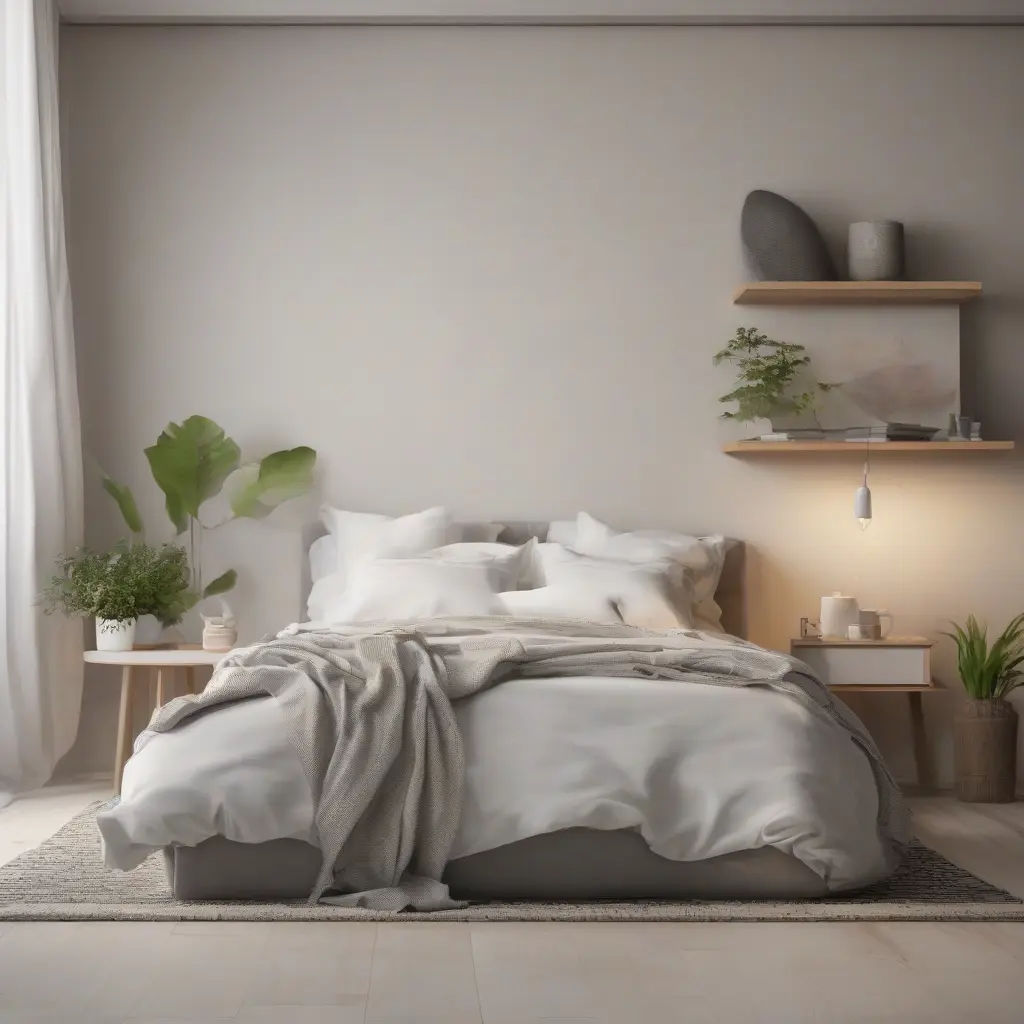
Incorporating textiles such as throws, cushions, and area rugs can significantly heighten the comfort level of your living room. Soft textures create a cozy feeling and can make the seating more inviting. Layering different fabrics, like wool or fleece throws on a leather sofa, can add depth and warmth. Choose rugs that are both stylish and comfortable underfoot to create defined areas within the space. Decorative accessories can also personalize the room and make it feel more homey.
Incorporating Nature for Serenity
Bringing natural elements into your living room can enhance its comfort and atmosphere. Indoor plants not only improve air quality but also add a refreshing touch to your decor. Consider low-maintenance options like snake plants or pothos, which thrive indoors. Natural materials, such as wood and stone, can also create a calming effect. Placing plants strategically near light sources can enhance the overall aesthetic while promoting a sense of tranquility.
Personal Touches and Decor
Adding personal touches to your living room decor can elevate the comfort level and reflect your unique personality. Family photographs, artwork, and travel souvenirs can make the space feel more intimate and inviting. When incorporating decor, aim for a balance that doesn’t overcrowd the room. Consider using shelves or wall-mounted units to display personal items, which can also keep surfaces clutter-free. Personalization contributes to a warm atmosphere that invites relaxation.
Utilizing Technology for Comfort
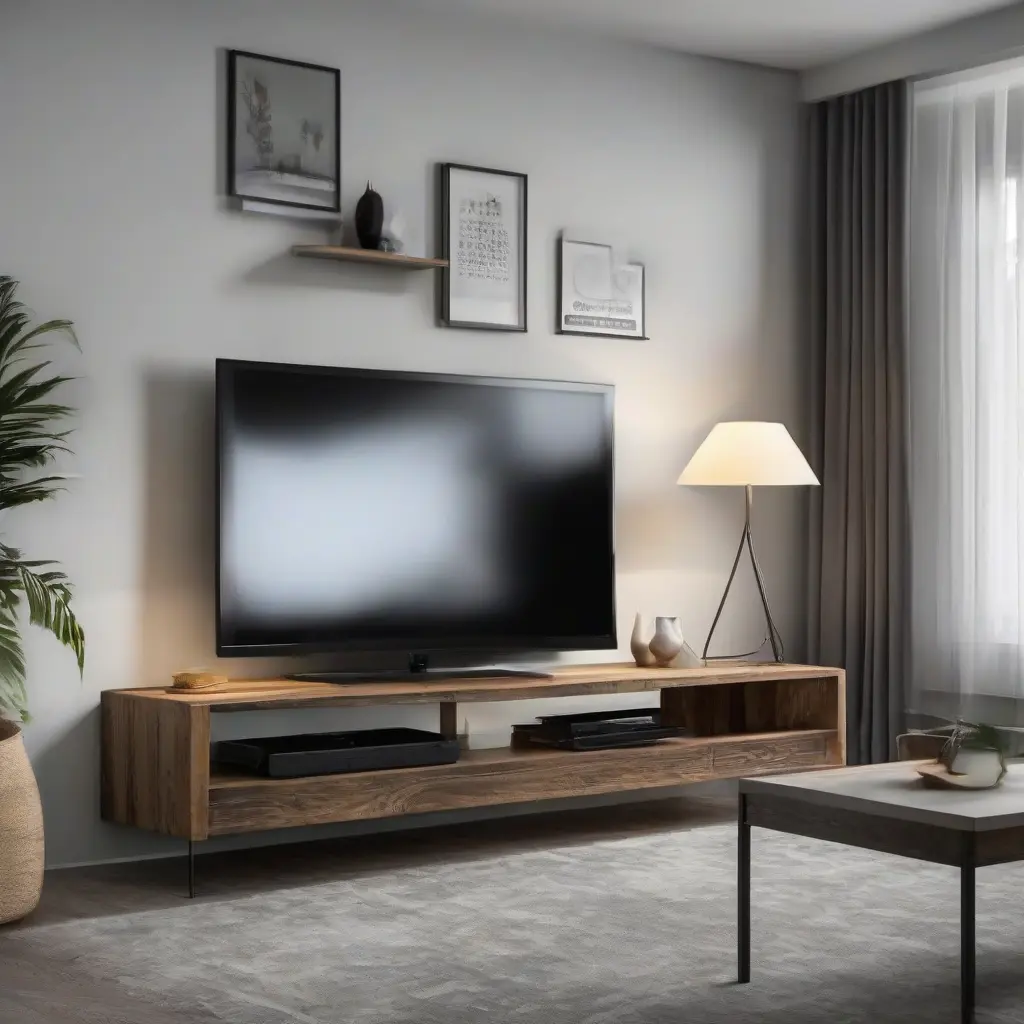
Incorporating technology in your living room can enhance comfort and functionality. Smart home devices, such as programmable thermostats and lighting systems, allow you to adjust settings according to your comfort preferences. Audio equipment, like surround sound systems, can also create an immersive environment for movie nights. However, ensure that technology is integrated discreetly to maintain the aesthetic quality of your space. Striking a balance between tech and comfort can create a modern yet cozy living area.
Conclusion
Designing a comfortable living room requires attention to detail in furniture selection, color schemes, lighting, and layout. By focusing on these elements and adding personal touches, you can create a warm and inviting space that promotes relaxation and social interaction. Ultimately, a well-designed living room not only reflects your style but also serves as a sanctuary for comfort.