Small rooms often face unique sound challenges due to limited space and potential noise disruptions. Soundproofing enhances comfort, privacy, and productivity, making them more enjoyable to inhabit. The following tips outline various acoustic solutions specifically tailored for small rooms. These techniques can reduce noise pollution, improve sound clarity, and create a serene environment without requiring significant renovations. By applying these strategies, you can transform your small space into an oasis of tranquility where unwanted noise is minimized.
Understanding Sound Waves
To effectively soundproof a small room, it is crucial to understand how sound waves travel. Sound moves through air as vibrations, bouncing off surfaces such as walls, ceilings, and floors. In small spaces, these reflections can create echoes and amplifications, resulting in unwanted noise levels. Recognizing the way sound behaves allows you to identify problem areas in your room. By targeting these specific surfaces with appropriate acoustic materials, you can significantly improve the overall auditory experience within the space.
Using Acoustic Panels
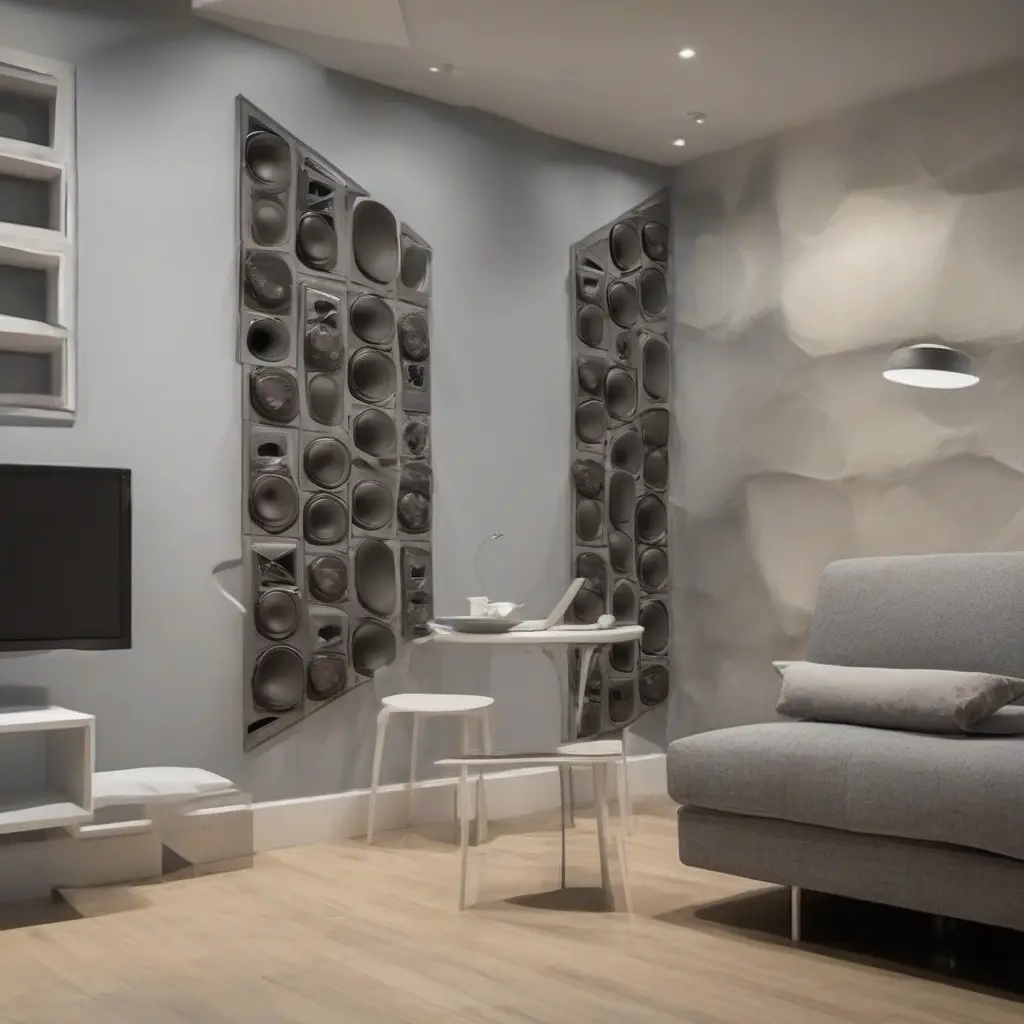
Acoustic panels are a popular choice for enhancing sound quality and minimizing noise in small rooms. These absorbent materials can be strategically placed on walls or ceilings to reduce sound reflections and echoes. Available in various designs, they blend functionality with aesthetics, making them suitable for any décor. By absorbing sound waves, acoustic panels help to create a more controlled auditory environment. Installing these panels in spots where sound bounces the most, such as opposite hard surfaces, will yield the best results.
Adding Rugs and Carpets
In small rooms, hard floors can exacerbate noise issues by reflecting sound waves. One effective acoustic solution is to add rugs or carpets, which serve as sound absorbents and dampen echoes. Soft textiles reduce the impact of foot traffic and can also contribute to a cozier atmosphere. Choosing thick, plush rugs can further enhance sound absorption, making rooms quieter. Layering rugs can also be a creative way to address specific areas that require increased soundproofing while adding visual interest to the space.
Sealing Gaps and Cracks
Small rooms can suffer from noise leaks if there are gaps and cracks in windows, doors, or walls. Sealing these openings is a straightforward yet effective way to minimize sound intrusion. Use weatherstripping or acoustic caulk to fill any visible gaps around doors and windows. Proper sealing helps create a barrier against external noise and improves energy efficiency. Regularly check for new cracks developing over time and address them promptly to maintain an effective soundproofing strategy.
Utilizing Bookshelves and Furniture
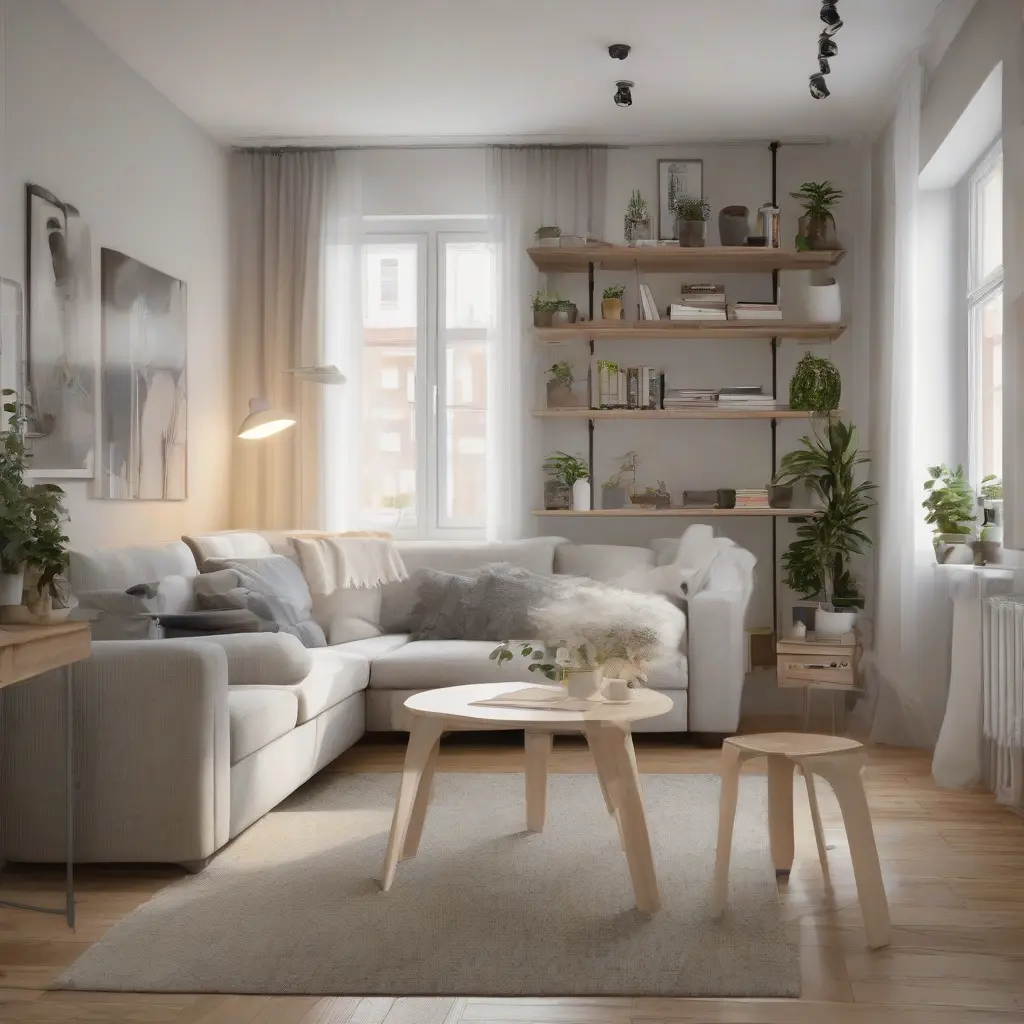
Another practical approach to enhance soundproofing in small rooms is to strategically arrange bookshelves and furniture. These items can act as natural sound barriers, absorbing and diffusing sound waves. Placing taller bookshelves against shared walls can significantly reduce noise penetration from adjacent rooms. Additionally, positioning sofas or other large furniture pieces can help frame the space, providing extra layers of sound absorption. Designing the layout with sound in mind transforms everyday furnishings into functional acoustic solutions.
Investing in Soundproof Windows
For those looking for a more robust soundproofing solution, investing in soundproof windows may be beneficial. These specialized windows consist of multiple panes of glass designed to reduce outside noise effectively. They offer superior sound insulation compared to standard windows and can significantly improve the quietness of a small room. While this option may require a higher initial investment, the long-term benefits of reduced noise pollution and enhanced comfort are often well worth it.
Choosing Heavy Curtains
Heavy curtains can serve dual purposes in small rooms, providing both aesthetic appeal and soundproofing benefits. Thick, layered curtains made from dense materials help absorb sound and reduce noise levels entering your space. By hanging them over windows or even as room dividers, you can further enhance noise control. Opting for floor-to-ceiling curtains not only adds elegance but also maximizes sound absorption, creating a peaceful environment that promotes relaxation and concentration.
Implementing Soft Furnishings
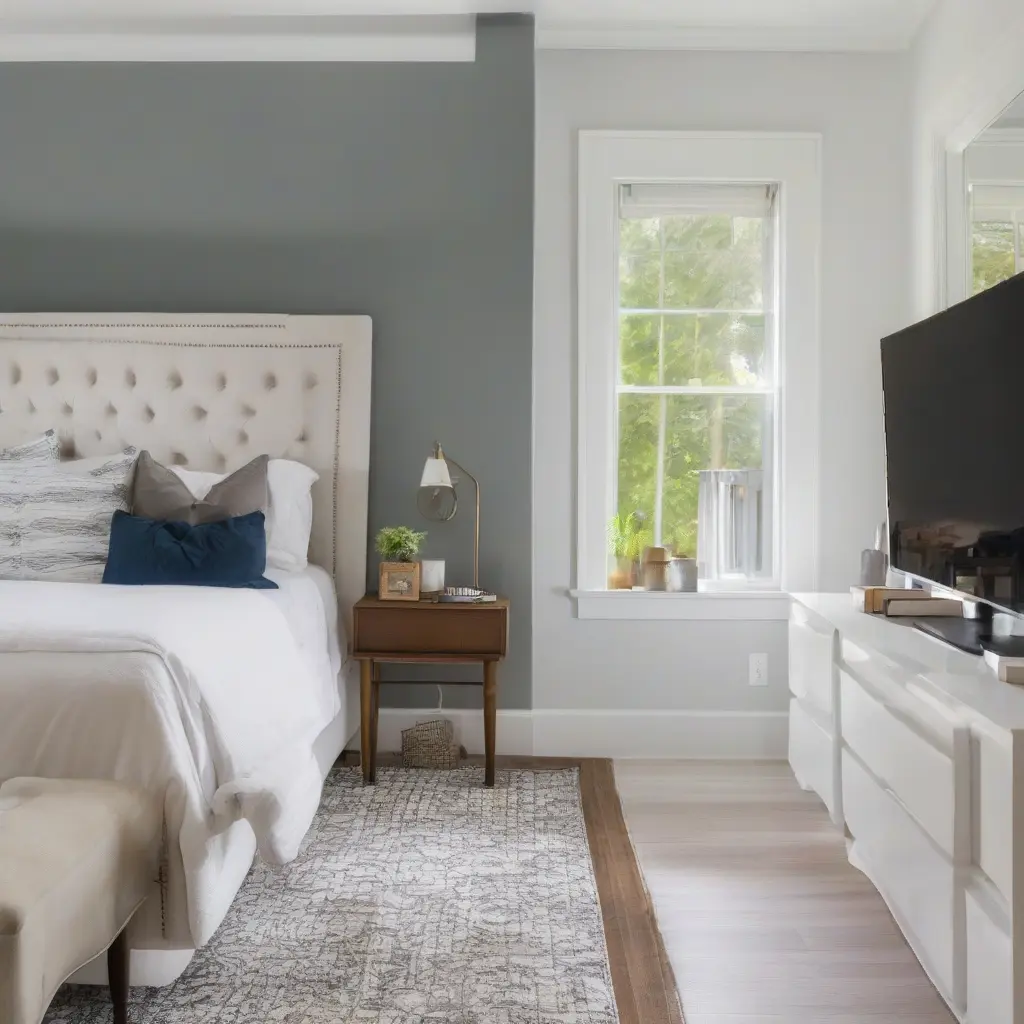
Incorporating soft furnishings, such as cushions and throws, plays a significant role in soundproofing. These items contribute to a softer acoustic environment by absorbing sound waves and reducing echoes. In small rooms, where sound can easily bounce off hard surfaces, strategically placing these textiles around seating areas and beds can significantly improve ambiance. The combination of soft furnishings not only enhances comfort but also creates a stylish, cozy atmosphere while mitigating unwanted noise.
Utilizing White Noise Machines
White noise machines provide an effective solution for masking unwanted sounds in small rooms. By emitting consistent, soothing auditory signals, these devices can drown out disruptive noises from outside or within the home. They are particularly advantageous for individuals sensitive to sound or those requiring a quiet environment for sleep, study, or relaxation. Depending on your preferences, you can find machines with various sounds, including nature sounds or static, providing customizable acoustic solutions for your small space.
The Importance of Room Layout
The arrangement of furniture and the overall layout of a small room can significantly impact its acoustic performance. Proper placement of items can create effective sound barriers and enhance sound distribution. For instance, positioning beds and workstations against walls minimizes the transmission of noise while maximizing comfort. Consider furniture that absorbs sound, such as upholstered pieces, to contribute positively to the acoustic environment. A well-thought-out layout can harmonize both functionality and aesthetics, ensuring a peaceful atmosphere.
Conclusion
Soundproofing small rooms may seem challenging, but with these effective tips and strategies, you can create a serene living space. By understanding sound behavior and applying practical solutions such as acoustic panels, soft furnishings, and strategic layouts, you can significantly enhance the auditory experience in your room. Whether you opt for simple adjustments or more extensive renovations, investing time in soundproofing will yield comfort and tranquility, making your small room feel more inviting and enjoyable.