The colors chosen for small rooms play a crucial role in influencing mood and perception of space. Color psychology suggests that different hues can evoke specific emotions and set the overall tone of a room. Understanding these effects can assist homeowners in making informed color selections that not only optimize small areas but also create a more inviting and pleasant atmosphere. By carefully analyzing how each color affects moods, individuals can transform their small spaces into more functional and enjoyable environments.
Understanding Color Psychology
Color psychology is the study of how colors affect human emotions and behaviors. It suggests that colors can influence feelings such as calmness, energy, or happiness. For instance, blue tones are often associated with tranquility and restful environments, making them ideal for small bedrooms or relaxing spaces. In contrast, warmer colors like red and orange stimulate energy and enthusiasm, which might be better suited for social areas such as living rooms. By recognizing these associations, one can better select colors that match the intended purpose of each small room.
Choosing the Right Base Color
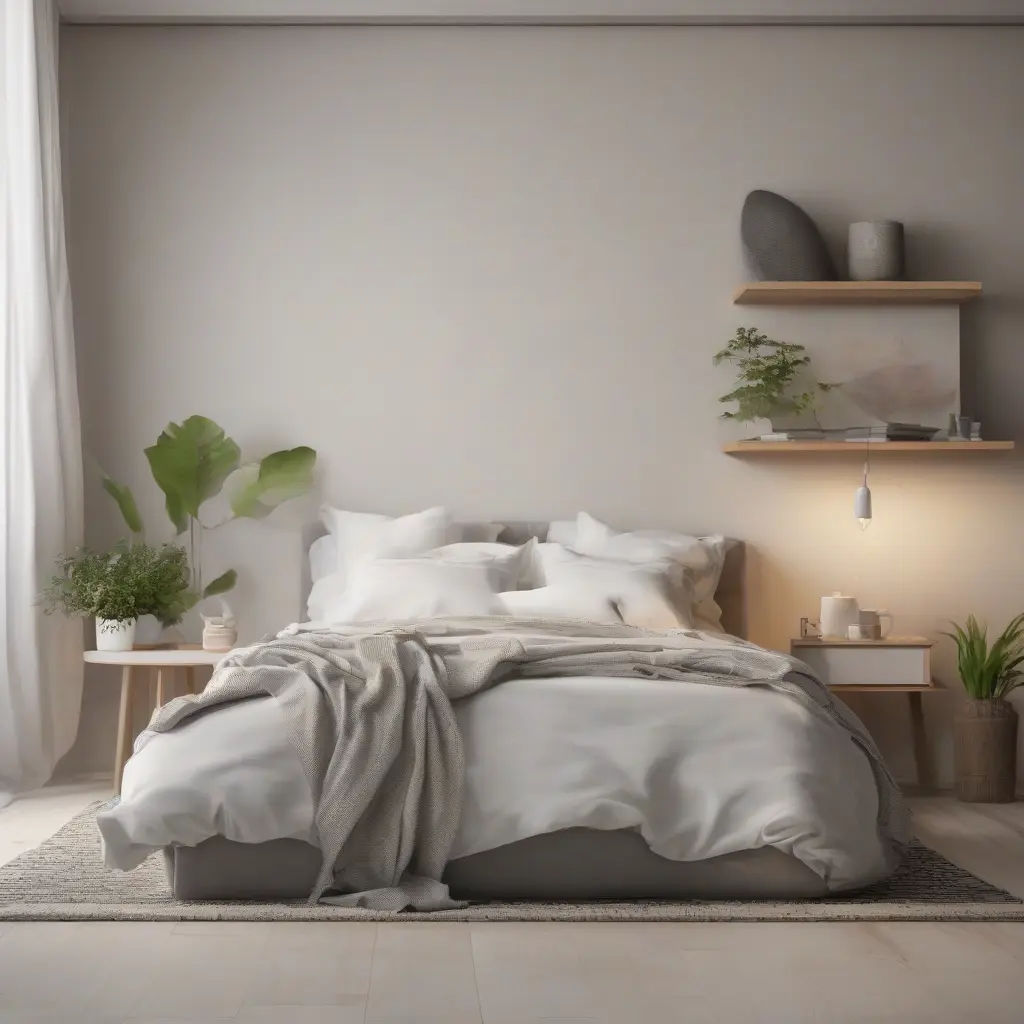
Starting with a base color is essential in small rooms, as it sets the mood for the entire space. Lighter shades, such as soft whites or pastels, can make small areas appear larger and more open, creating an airy feel. Alternatively, darker hues, though bold, can create intimacy and a sense of depth. It’s important to choose a base color that reflects the overall atmosphere you wish to achieve. Balancing functionality with aesthetic appeal is key in ensuring the selected base color complements both the room’s purpose and the mood you want to evoke.
Utilizing Accent Colors
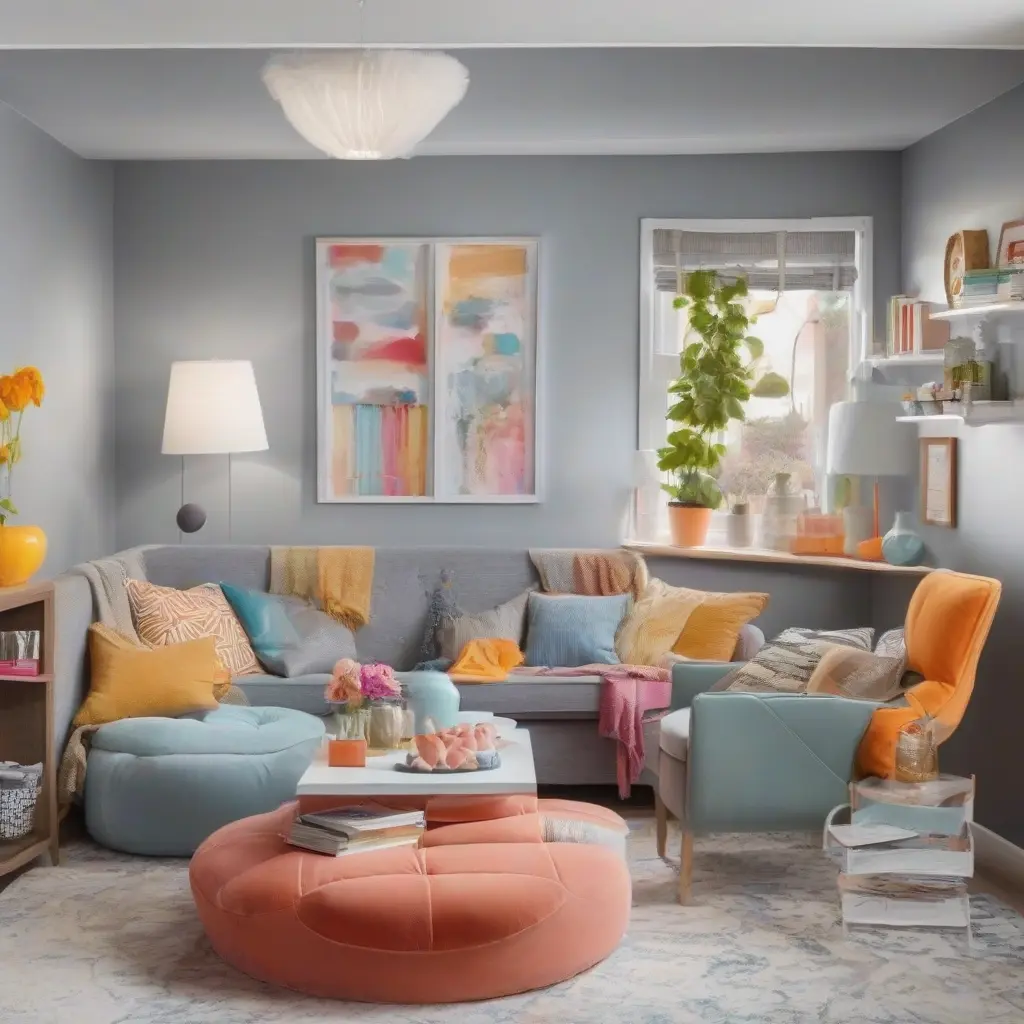
Accent colors can significantly enhance a small room’s dynamics without overwhelming the space. By incorporating brighter tones or contrasting colors through decor, furniture, or wall accents, it creates focal points that draw the eye. For instance, a vibrant cushion or a striking piece of artwork against a neutral backdrop can elevate the room’s energy. However, moderation is key; too many accents can lead to visual chaos, contradicting the purpose of creating a calm and inviting atmosphere in a small confinement.
The Impact of Neutral Colors
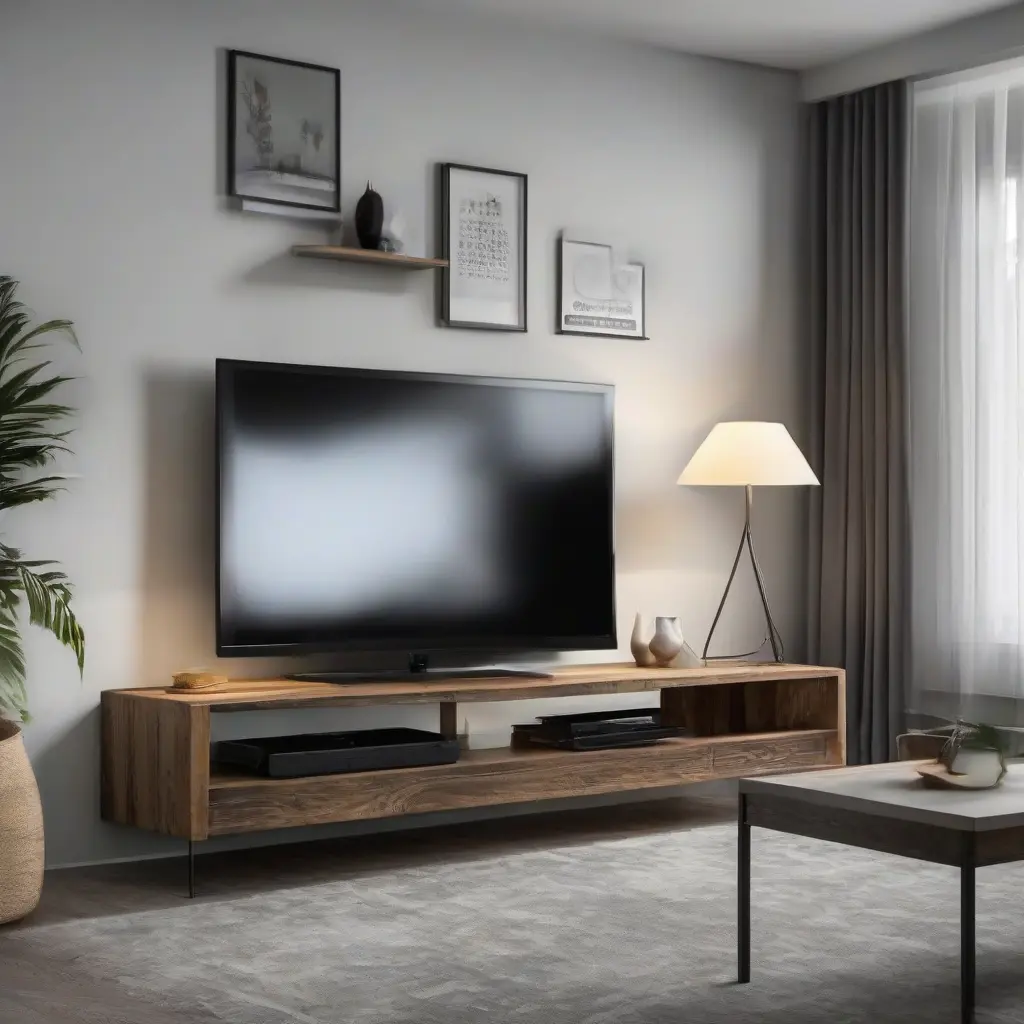
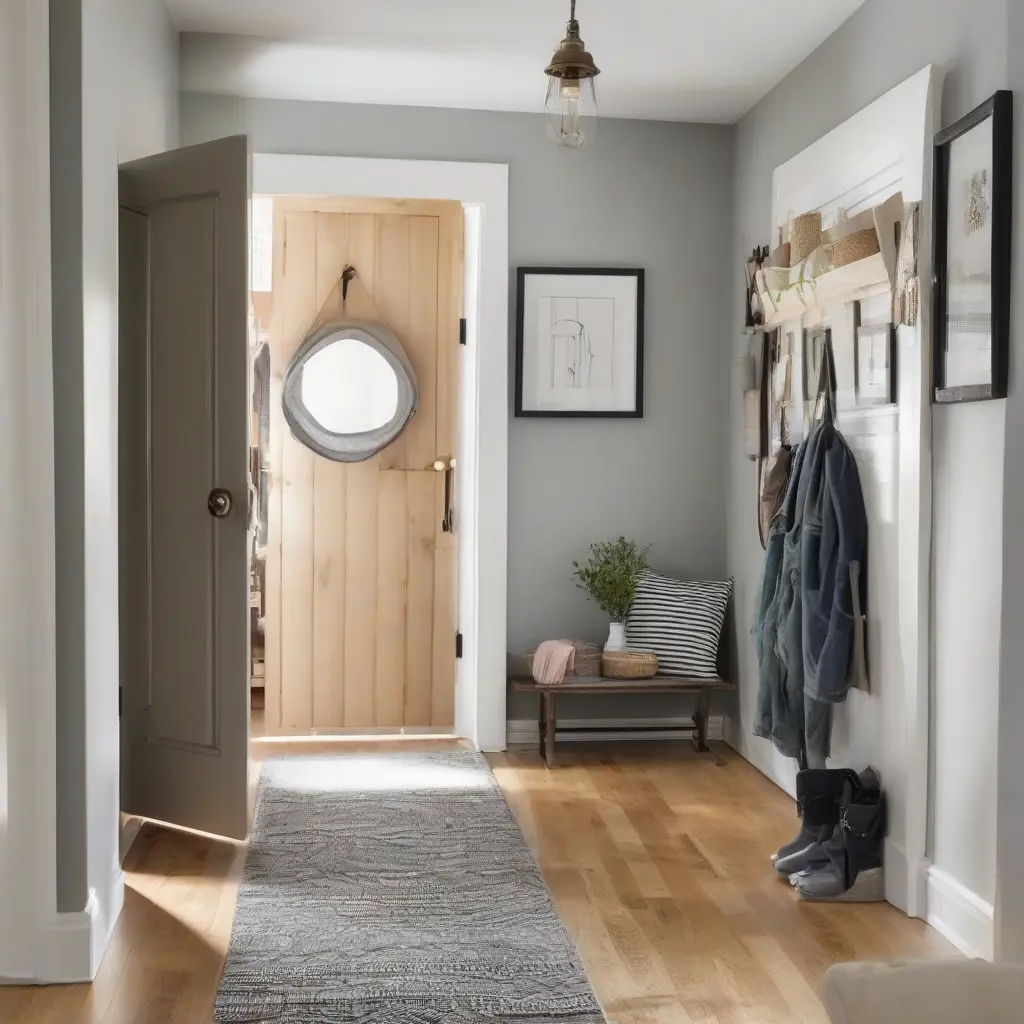
Neutral colors often serve as a versatile backdrop in small rooms, which can provide a calming escape while allowing for personal expression through decor. Shades like beige, gray, and taupe offer a timeless appeal and can neutralize visual stress in cramped spaces. They also work well with various accent colors, making it easy to switch up a room’s look without the need for significant changes. Utilizing a neutral palette can help in maintaining a balance between simplicity, elegance, and comfort often desired in small room designs.
Emphasizing Personal Preferences
Personal preference plays a vital role in selecting colors for small rooms. What resonates with one individual might not with another, emphasizing the importance of design choices tailored to personal tastes. Incorporating colors that hold personal significance or invoke joyful memories can foster a sense of belonging and comfort. Additionally, experimenting with different shades through paint samples or decor items can provide you with a clearer vision of how a color feels in the space, allowing for a more personalized approach to color selection.
Incorporating Natural Light
Natural light significantly influences how colors are perceived in a room. Well-lit spaces can make colors appear more vibrant and fresh, while darker areas can dull hues. It’s advantageous to consider the direction of natural light when selecting colors. For instance, north-facing rooms, which receive cooler light, might benefit from warm colors to offset the chill. Conversely, south-facing rooms soaked in sunlight can accommodate cooler colors, as bright light can enhance their vibrancy. Awareness of light levels allows for better planning of color choices that will enhance feelings of warmth or coolness.
Psychological Effects of Specific Colors
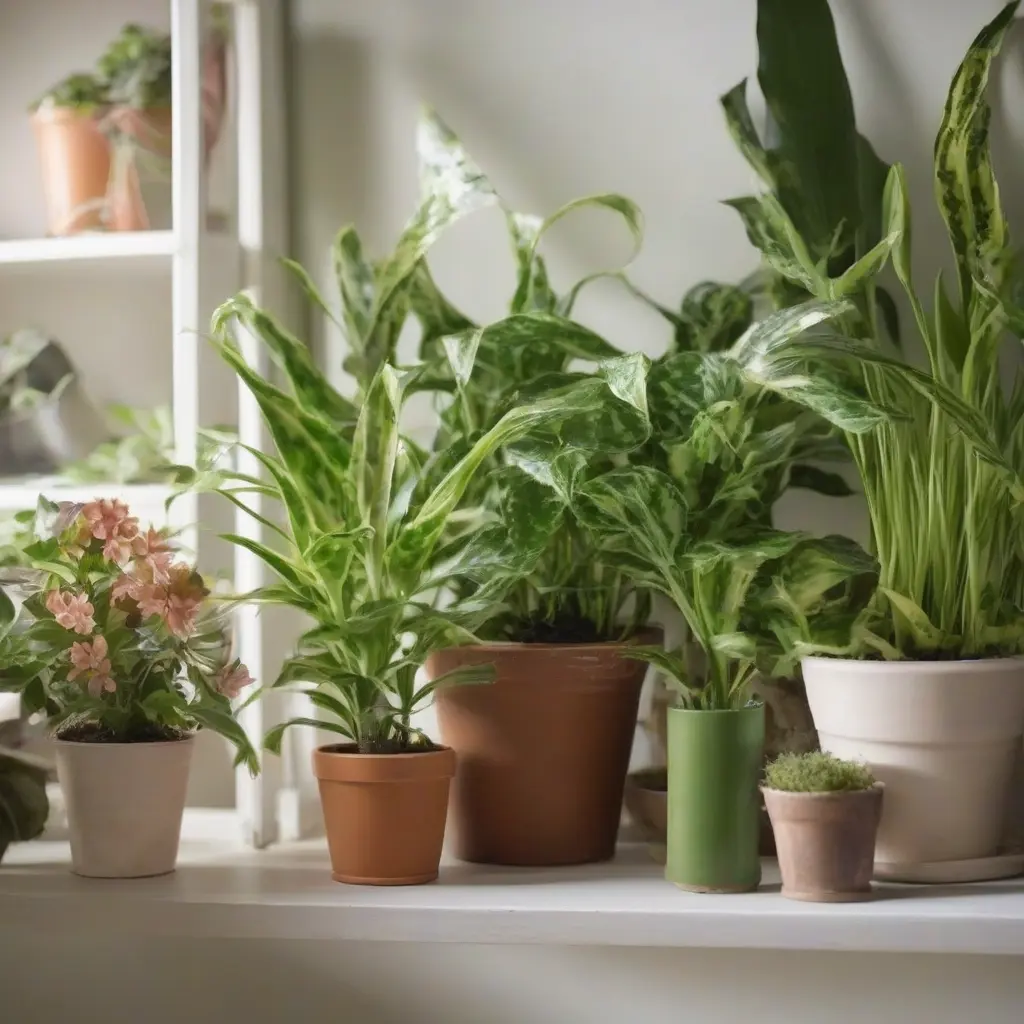
Different colors elicit varied psychological responses, making them suitable for specific environments. For instance, green is often associated with nature and renewal, creating a calming atmosphere, perfect for a small study or meditation room. Yellow, linked to happiness, can energize a confined space, which is ideal for inspiring creativity in a small workspace. Understanding these associations allows for thoughtful planning of color schemes that cater to the desired emotional outcomes for each room’s functionality.
The Role of Color in Space Perception
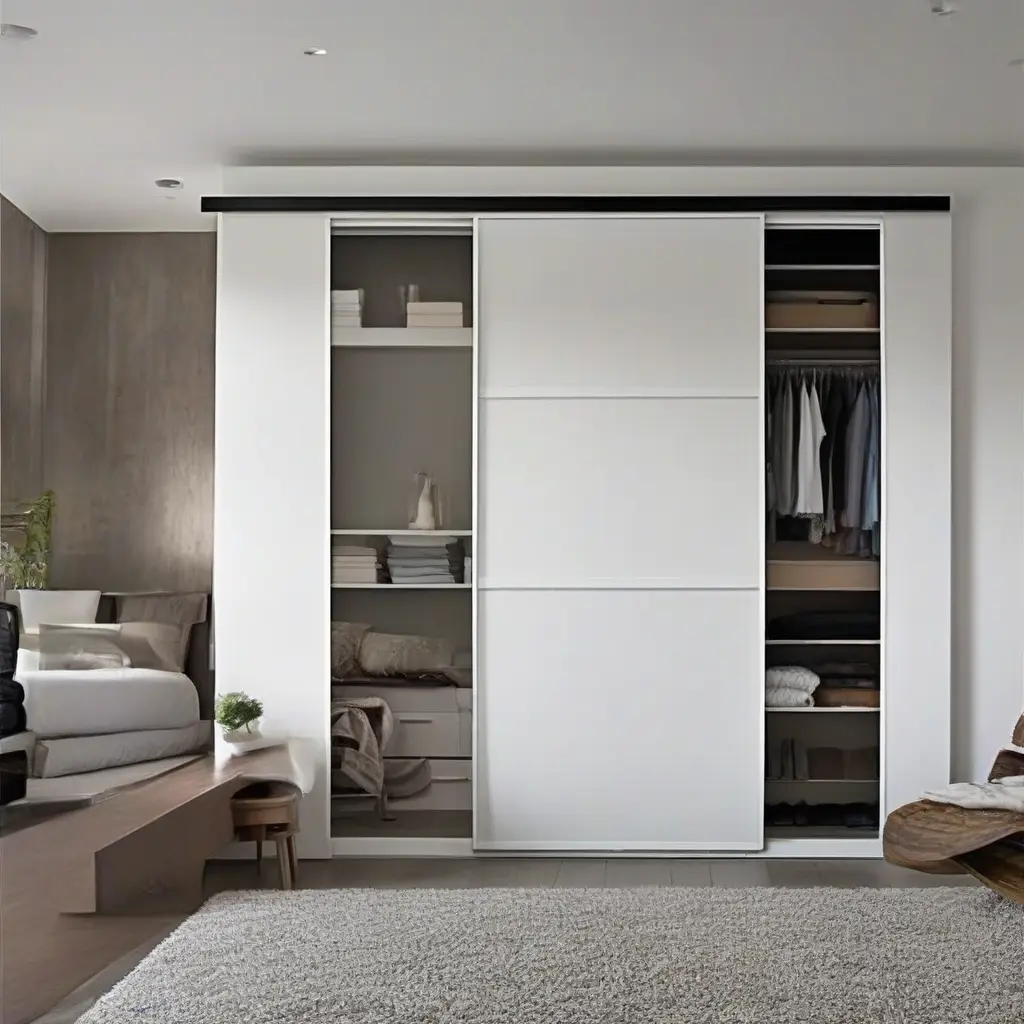
Color can manipulate the perception of space, a vital aspect in small rooms. Light colors are known to reflect more light, which can make a space feel larger and airier, while dark colors absorb light and define areas, leading to an illusion of confinement. By selecting colors wisely, one can create visual tricks that enhance the perception of size. For example, painting the ceiling a lighter hue than the walls can visually raise the ceiling height, thereby expanding the perceived volume of the room.
Experimenting with Patterns and Textures
Patterns and textures can add depth to the color scheme of small rooms without overwhelming the senses. Integrating patterned fabrics, wallpapers, or textures can create interest and personality, allowing for creativity without bulky decor. Soft textures combined with color can evoke feelings of warmth and comfort, making the space inviting. However, balance is crucial; one should ensure that patterns complement the chosen colors and do not clash, maintaining a cohesive theme throughout the small area.
Conclusion
Incorporating color psychology into the design of small rooms can significantly enhance mood and functionality. By choosing base colors thoughtfully and utilizing accents, personal preferences, and natural light effectively, individuals can create harmonious living spaces that reflect their needs and personalities. Experimentation with textures and understanding the psychological implications of colors can lead to an inviting and aesthetically pleasing environment. Ultimately, the right colors can make a compact space feel larger, brighter, and more enjoyable.