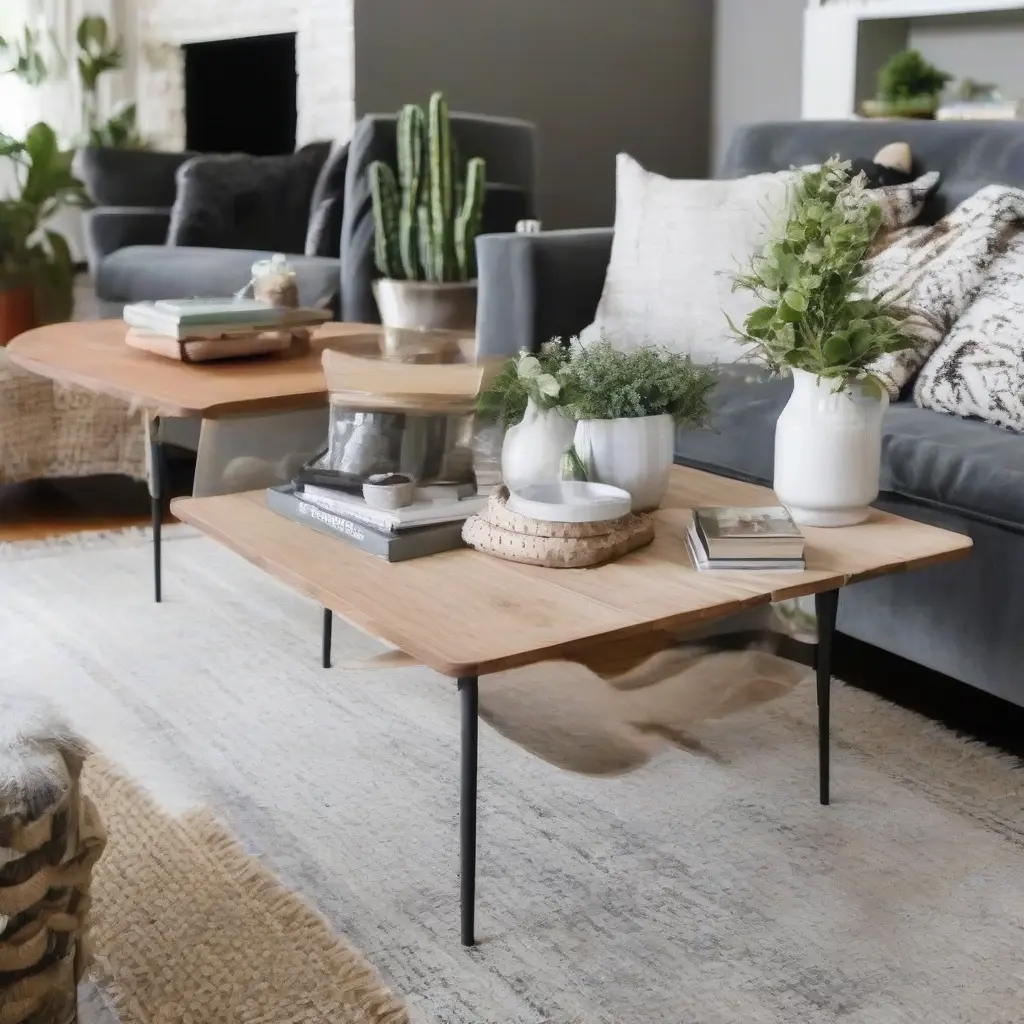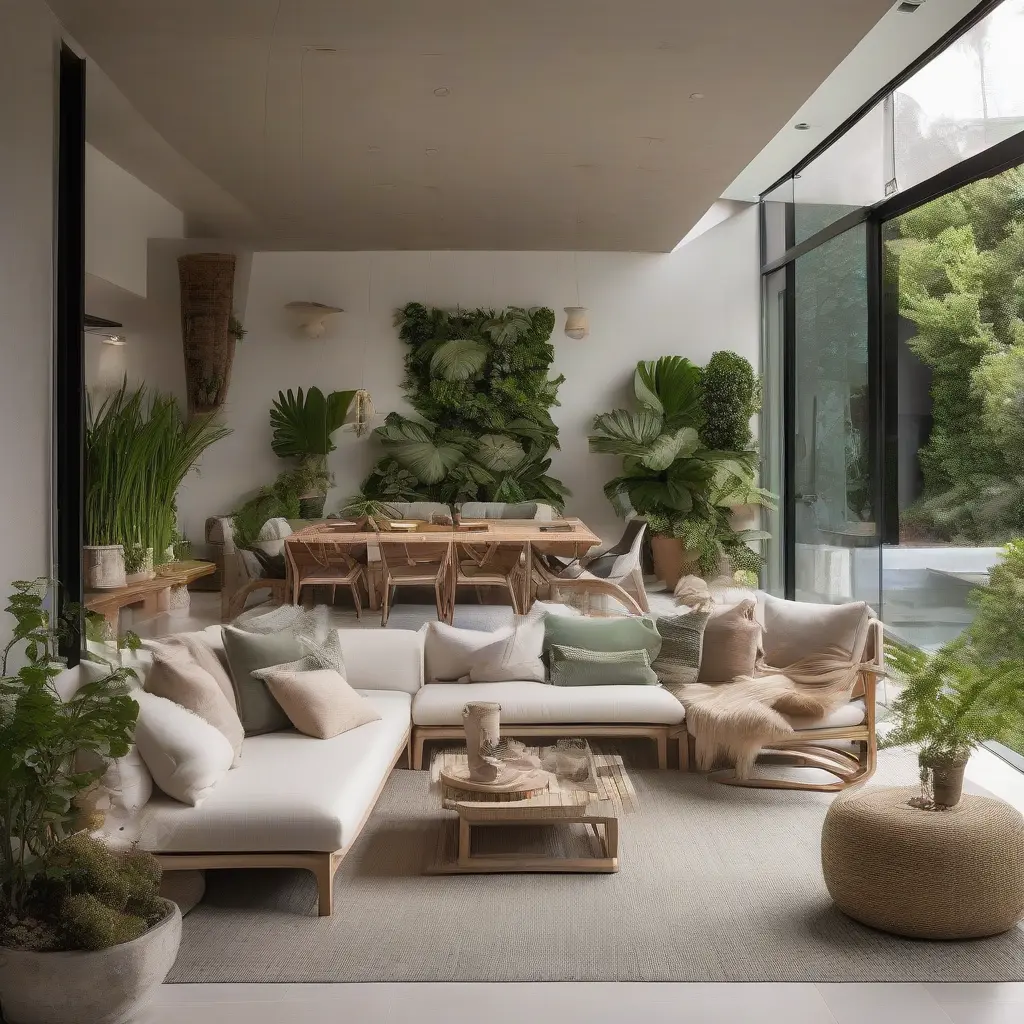
Incorporating biophilic design into your living room can significantly enhance its appeal, creating a seamless transition between indoor and outdoor spaces. This design approach centers on connecting people with nature, thereby promoting well-being and relaxation. Elements such as natural light, plant life, and organic materials can transform a typical living room into a serene retreat. By utilizing biophilic principles, you can experience an inviting environment that feels refreshing and vibrant, cultivating a sense of tranquility that encourages both relaxation and social interaction.
Understanding Biophilic Design
Biophilic design is an innovative approach rooted in our intrinsic connection to nature. It emphasizes incorporating natural elements into architectural and interior design to foster psychological well-being. This design philosophy is especially relevant in urban settings where people might feel disconnected from nature. By incorporating features like natural light, plants, water elements, and organic materials, biophilic design creates spaces that not only feel more inviting but also enhance mood and health. Understanding this concept is crucial for anyone looking to create a living space that merges indoor comfort with the tranquility of the outdoors.
Natural Light and Its Importance
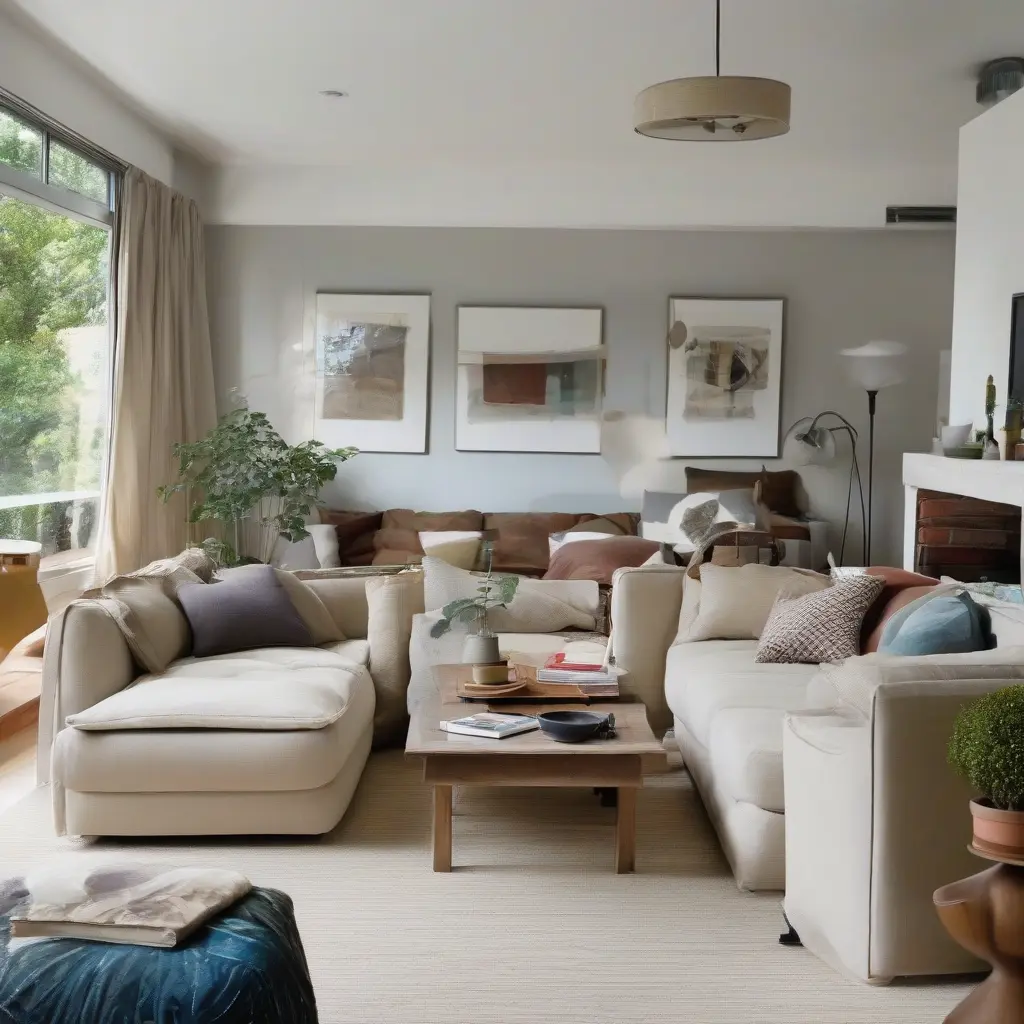
Natural light is a cornerstone of biophilic design, playing a vital role in shaping the ambiance of a living room. Homes that utilize ample windows, skylights, or open spaces allow sunlight to flood the interior, creating a warm and inviting atmosphere. Beyond aesthetic benefits, natural light can boost mood, improve productivity, and even regulate circadian rhythms. When designing a living space, consider maximizing natural light to enhance the overall experience, making your indoor space feel more connected to the outdoors.
Incorporating Indoor Plants
Indoor plants are one of the simplest ways to bring biophilic design to life in your living room. They not only add visual appeal through their vibrant colors and varied textures but also contribute to improved air quality. Plants like ferns, succulents, and snake plants are particularly well-suited for indoor environments. They require minimal maintenance while offering substantial benefits. By incorporating several houseplants into your living room, you create an oasis that fosters relaxation and a deeper connection with nature, promoting both mental and physical well-being.
Natural Materials in Furniture
Using natural materials in furniture is a significant aspect of achieving a biophilic design in your living room. Materials like wood, stone, and bamboo not only bring warmth and texture but also help establish a connection to the natural environment. Opting for pieces made from sustainably sourced materials can further enhance this connection and promote eco-conscious living. This approach not only contributes to a calming atmosphere, but it also supports a design aesthetic that is timeless and adaptable to changing styles over time.
Creating Transitional Spaces
Designing transitional spaces that blur the boundaries between indoor and outdoor environments is a hallmark of biophilic design. This can be achieved through features like open floor plans, large sliding glass doors, or retractable windows that lead directly to patios or gardens. By creating these seamless transitions, you allow for fresh air and natural light to fill your living space while bringing the beauty of your outdoor surroundings inside. This not only enhances the aesthetic appeal of your home but also encourages a lifestyle that embraces nature.
The Role of Water Features
Incorporating water features, such as fountains or small indoor ponds, into your living room can elevate the biophilic design experience. Water has a calming effect and can significantly enhance the atmosphere of your space. The sound of flowing water adds a soothing auditory element, helping to mask urban noise and create a peaceful retreat within your home. Additionally, visual interactions with water can draw the eye, creating focal points that emphasize both movement and tranquility, thereby enriching your indoor environment while connecting it to the serenity of the outdoors.
Color Schemes Inspired by Nature
Choosing color schemes inspired by nature is a foundational element of biophilic design. Soft greens, earthy browns, and ocean blues evoke feelings of calm and relaxation. These colors can be applied through wall paint, upholstery, and decor to reflect the natural palette found outside. Incorporating such colors creates an inviting atmosphere, resembling the tranquility of nature. Furthermore, these color choices can enhance the overall aesthetic of your living room and promote a soothing environment that stimulates positive emotions and well-being.
Utilizing Artwork and Nature Imagery
Art can play a significant role in enhancing biophilic design within your living room. Incorporating artwork that features natural imagery, such as landscapes, botanical prints, or ocean scenes, can further reinforce the connection to nature. This not only beautifies your space but also serves as a visual reminder of the outdoors. Moreover, displaying local artists’ works can bring a personalized touch while showing appreciation for local ecosystems, making your living area feel more meaningful and harmonious.
Lighting Design as a Biophilic Element
Lighting is crucial in biophilic design, with the right lighting choices enhancing the connection between indoors and outdoors. Natural lighting is preferable, but it can be complemented with artificial options that mimic natural light colors and quality. Use fixtures that create warm, ambient light rather than harsh illumination. Dimmable lights allow for adjusting the mood of the space throughout the day. This harmonious blend of lighting options creates an inviting atmosphere conducive to relaxation, reflecting comfort and serenity found in nature.
Maintaining Seasonal Connection
Creating an indoor-outdoor living room feel also involves maintaining a connection with each season. This can be achieved by rotating decor and textiles that reflect seasonal changes, such as lighter colors in the summer and richer tones in the fall. Consider using removable window screens that allow for unobstructed views of changing landscapes and weather patterns. This seasonal approach enhances the overall biophilic experience, reminding occupants of the ever-changing beauty of nature, thus fostering a deeper appreciation for their environment.
Conclusion
Integrating biophilic design into your living room creates a harmonious space that seamlessly blends indoor comfort with outdoor serenity. By focusing on elements such as natural light, indoor plants, and organic materials, you promote well-being while enhancing aesthetic appeal. This transformative approach not only fosters a sense of tranquility but also encourages a lifestyle that celebrates nature, making your home an ideal retreat for relaxation and connection with the environment.