Scandinavian design has gained popularity for its ability to create functional and aesthetically pleasing living spaces, especially in smaller areas. This design philosophy is characterized by simplicity, minimalism, and a connection to nature. By incorporating these principles, individuals can transform compact living areas into organized, inviting, and stylish environments. The essence of Scandinavian design lies in maximizing space while maintaining a sense of tranquility and comfort, making it a perfect fit for urban dwellers or anyone looking to optimize their small spaces.
Understanding Minimalism in Scandinavian Design
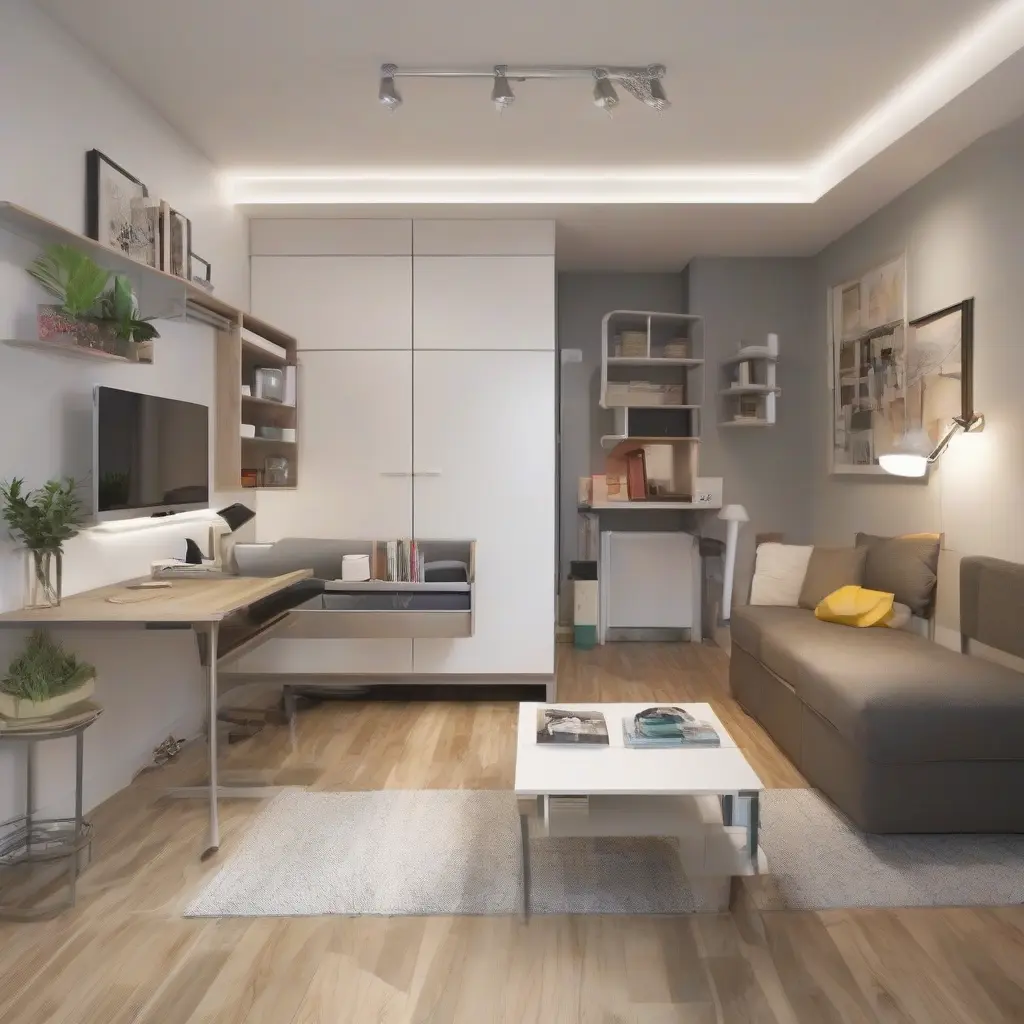
Minimalism is a core principle of Scandinavian design, embracing the idea that ‘less is more.’ This approach emphasizes decluttering and simplifying living spaces, focusing on essential items that serve a purpose. By adopting a minimalist mindset, homeowners can create a serene atmosphere that’s visually appealing and functional. Utilizing multi-functional furniture, such as sofa beds or storage ottomans, allows for versatile use of limited spaces, encouraging both practicality and style in small room designs.
Maximizing Natural Light
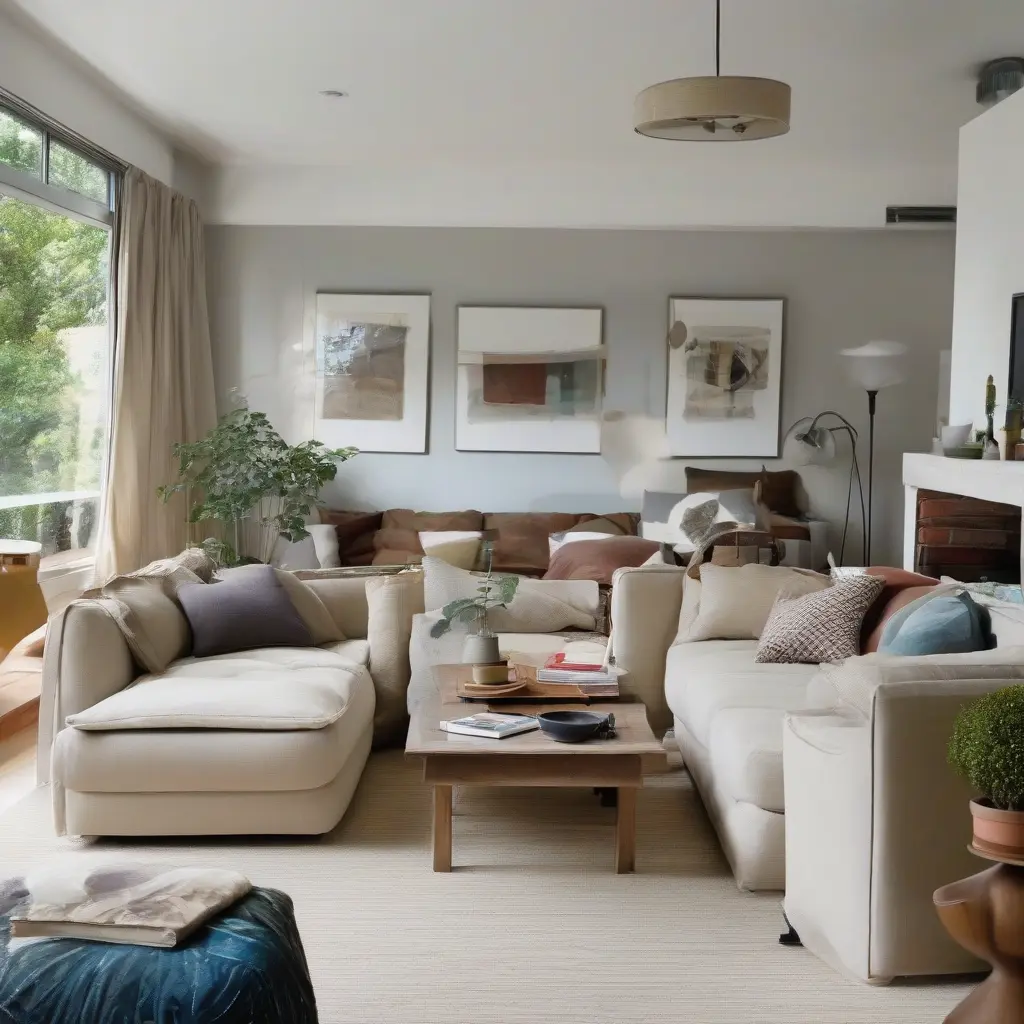
Natural light plays a crucial role in Scandinavian design, as it fosters a warm and inviting environment. In small living spaces, maximizing natural light can make the area feel more extensive and airier. Large windows or strategically placed mirrors can help reflect light throughout the room, enhancing its brightness. Light, sheer curtains allow daylight to filter through while maintaining privacy. By incorporating light fixtures that mirror natural light, such as soft LED bulbs, homeowners can create a comfortable ambiance that complements the interior design.
Neutral Color Palettes
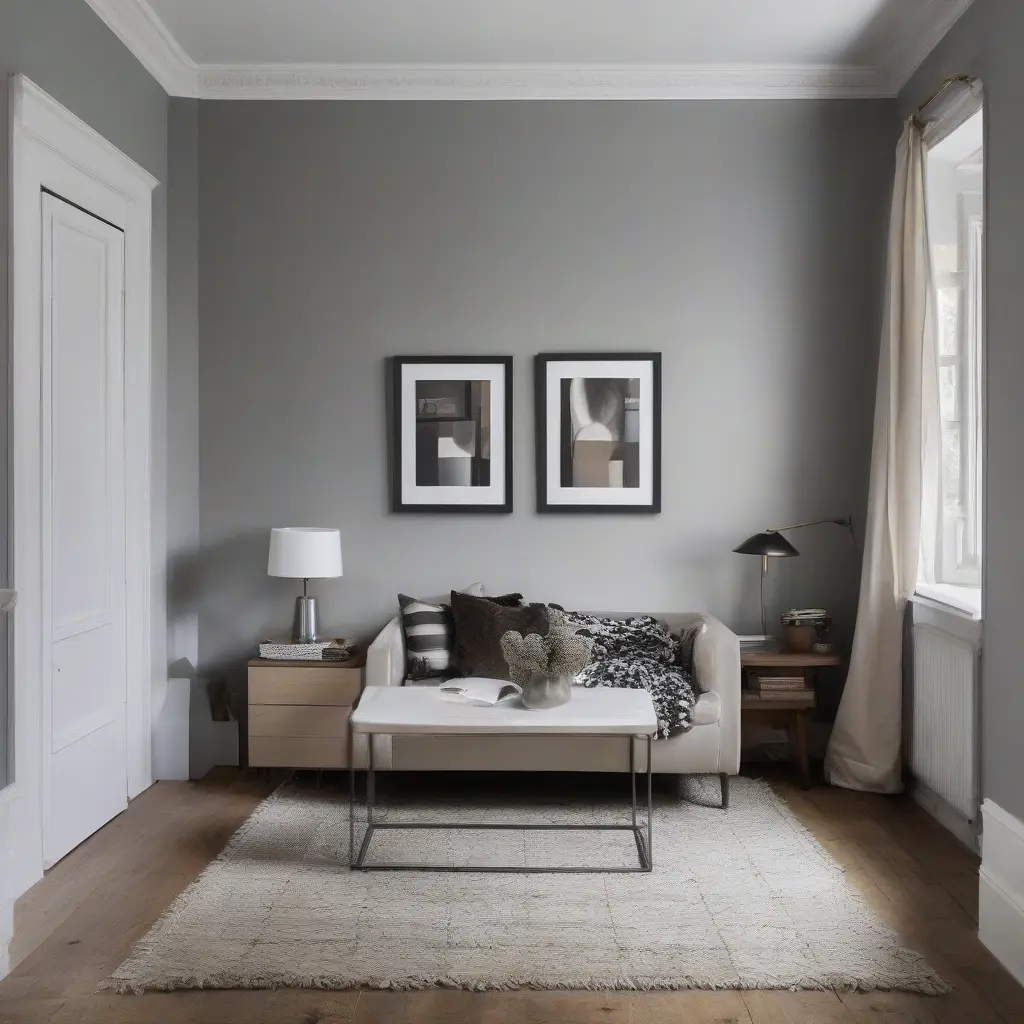
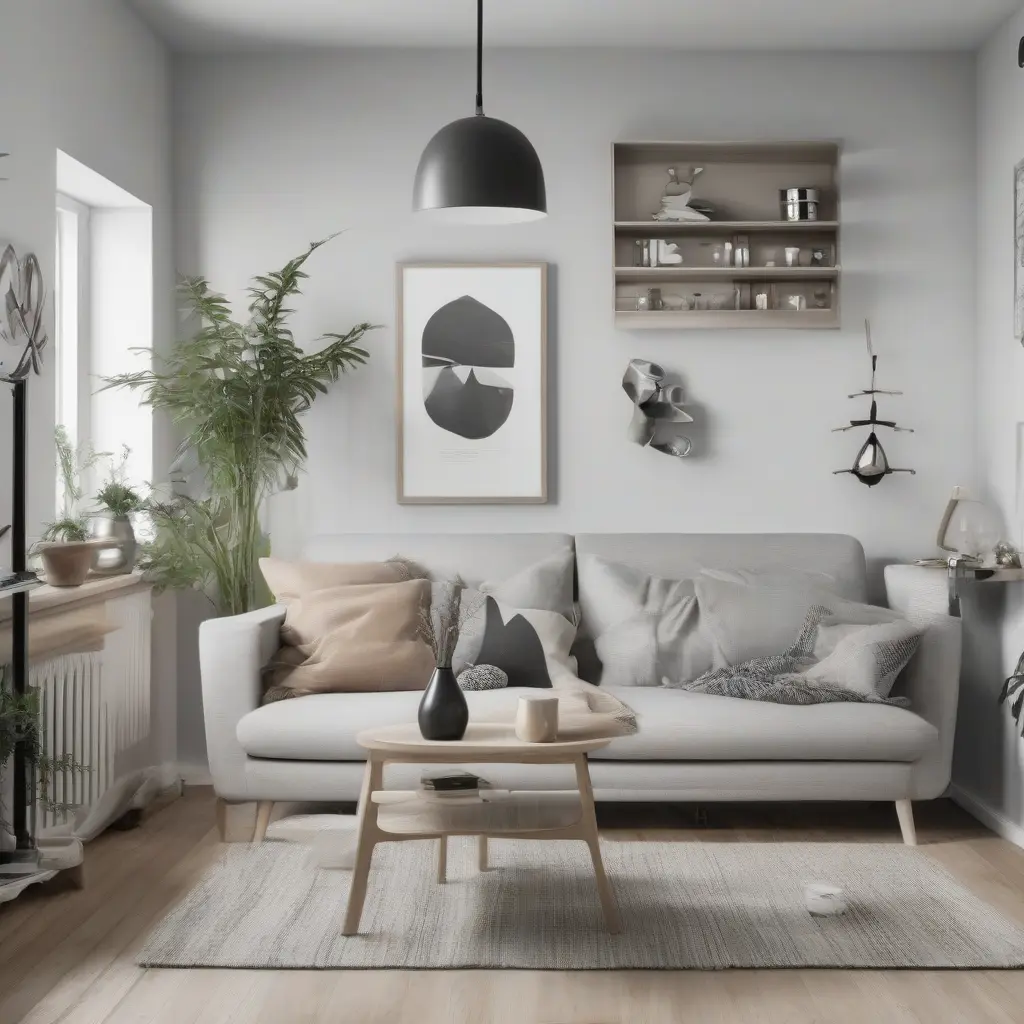
A hallmark of Scandinavian design is the use of neutral color palettes, which contribute to a sense of calm and spaciousness. Shades of white, beige, gray, and pastel colors are prevalent, as they create a cohesive look that can be paired effortlessly with various textures and materials. These colors enhance the natural light in small living spaces, making them feel larger and more inviting. Accents in darker hues can be introduced through decor items or furniture, adding depth and character to the overall design.
Incorporating Natural Materials
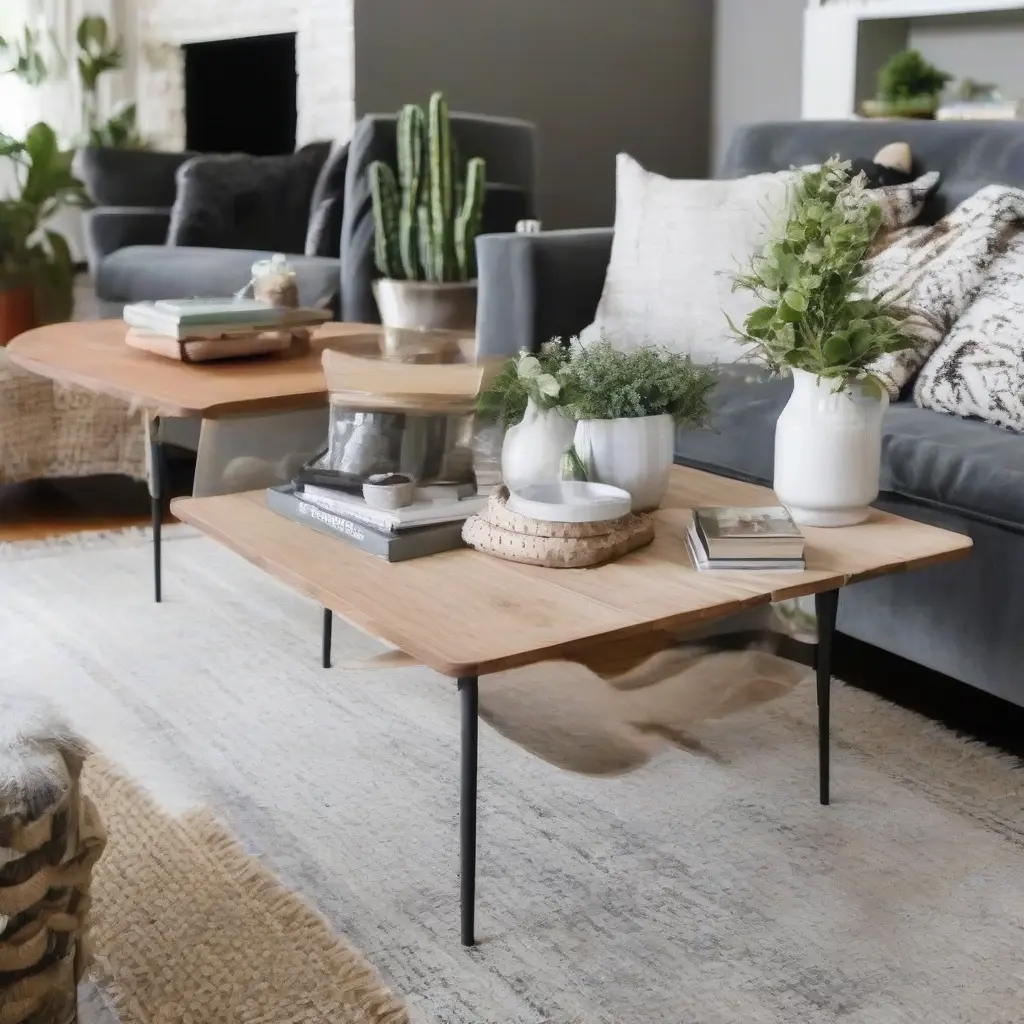
Scandinavian design values natural materials, as they forge a connection with the outdoors and promote sustainability. Wood, leather, and stone are frequently used, lending warmth and texture to small living spaces. Choosing furnishings made from these materials adds an organic element that combats the sterile feel often associated with compact areas. Scandinavian furniture often highlights craftsmanship and simplicity, further enhancing the beauty of these materials. Homeowners can mix and match various natural textures to add interest without overcrowding the space.
Functional Furniture Choices
When designing small living spaces, selecting functional furniture is paramount. Scandinavian design emphasizes furniture that is both stylish and practical. Multi-functional pieces, like extendable tables or nesting chairs, allow for flexibility and adaptability in compact areas. Additionally, lightweight and easily movable items enable residents to reconfigure their spaces according to their daily needs. Investing in quality pieces with timeless design ensures that the furniture remains stylish and relevant over the years, making it a sound choice for small room ideas.
Open Floor Plans
Open floor plans are a staple in Scandinavian homes, promoting fluidity and maximizing usable space. By eliminating unnecessary walls and barriers, homeowners can create a seamless flow between living, dining, and kitchen areas. This design encourages collaboration and interaction while providing an open, airy feel in small spaces. Furnishing these areas with strategically placed rugs or furniture arrangements can define distinct zones without compromising the overall open concept, enhancing functionality and visual appeal.
Embracing Nature Indoors
Incorporating greenery into indoor spaces is a principle embraced by Scandinavian design, fostering a calming and refreshing atmosphere. Houseplants not only enhance the aesthetic appeal of small living areas but also improve air quality and reduce stress. Simple planters or hanging plants can be placed in corners or near windows to maximize space and light exposure. The integration of natural elements serves to enhance the overall design while nurturing a connection to nature, critical in today’s urban environments.
Personal Touches and Artwork
While Scandinavian design is rooted in minimalism, it also allows for personal expression through artwork and decor. Incorporating meaningful art pieces or family photos can create a lived-in feel, humanizing the space without overwhelming it. Choosing a few curated items rather than cluttering surfaces promotes balance and harmony. Additionally, using local crafts or handmade decor can celebrate cultural heritage while enhancing the overall aesthetic. This focus on individuality invites warmth and personality into compact living spaces.
Smart Storage Solutions
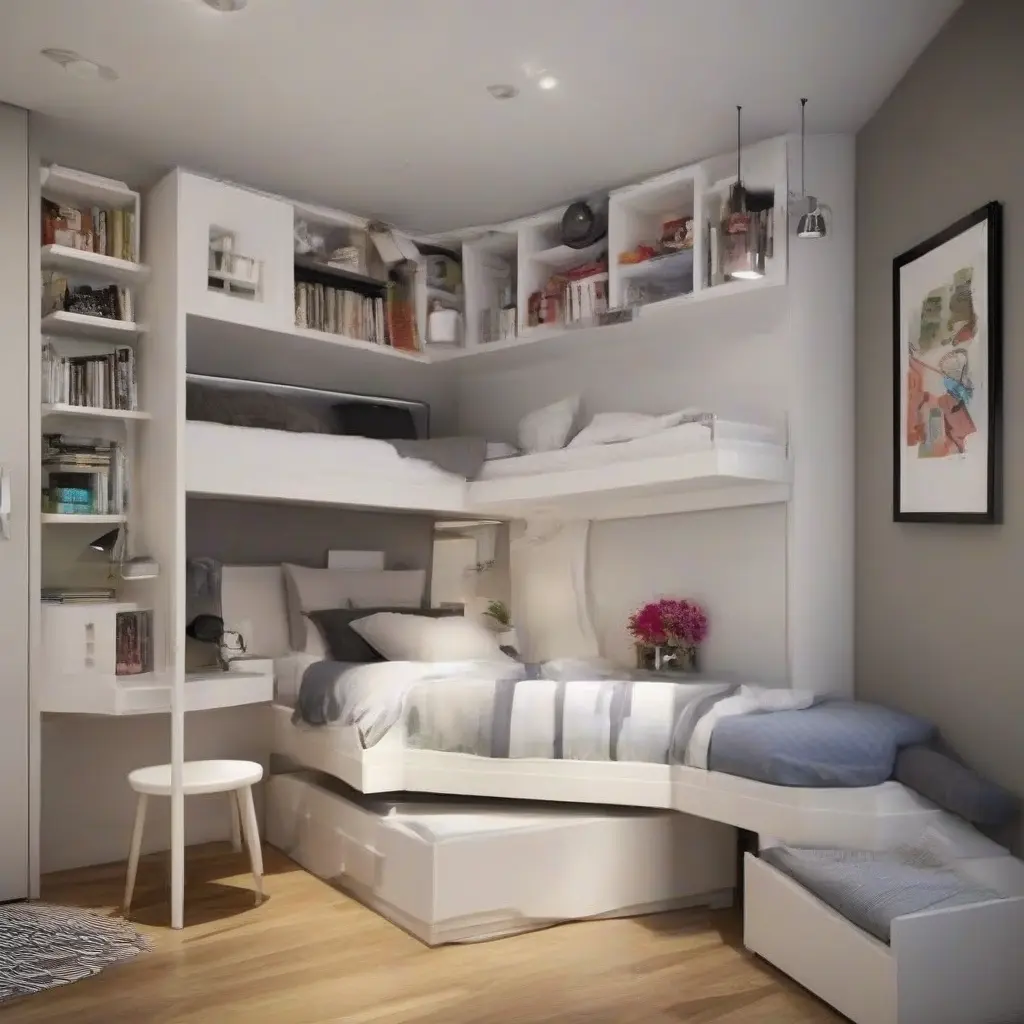
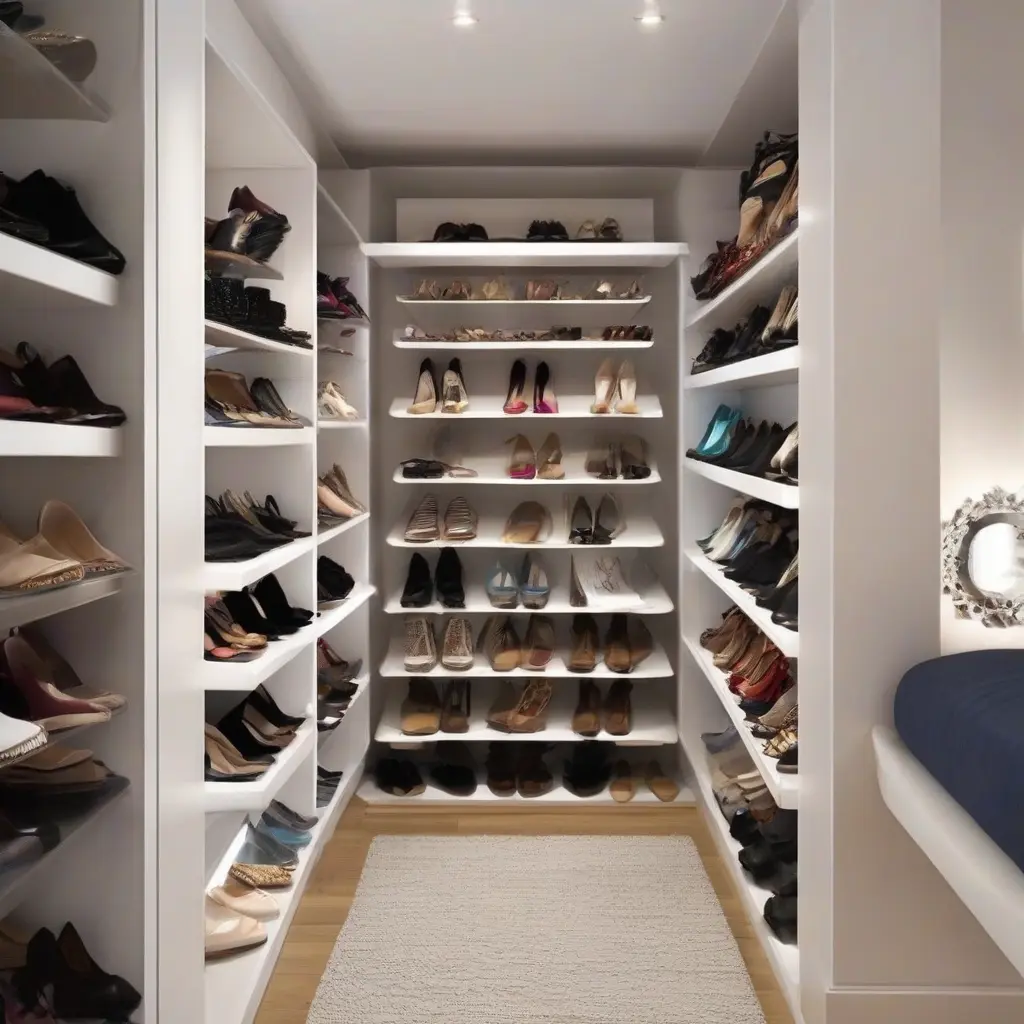
Effective storage solutions are essential in Scandinavian design, particularly in small living areas. Clever storage options, like built-in shelves or under-bed drawers, help maintain a tidy and organized environment. Open shelving displays can create a stylish yet functional storage solution for showcasing aesthetically pleasing items. By utilizing vertical space and choosing items that stack or nest, homeowners can optimize their limited square footage, making the area feel more open and less cluttered.
Emphasizing Cozy Textiles
Textiles play a significant role in Scandinavian design, contributing to the cozy and inviting atmosphere characteristic of this style. Soft, warm fabrics such as wool, cotton, or linen can enhance small living spaces by adding comfort and texture. Throw pillows, blankets, and area rugs can soften hard surfaces and create a sense of warmth and intimacy. Layering different textiles can further enhance visual interest while promoting a harmonious environment where residents feel relaxed and at home.
Conclusion
Adopting Scandinavian design principles for small living spaces can offer a harmonious blend of functionality, aesthetics, and comfort. By emphasizing minimalism, natural light, and organic materials, individuals can transform their compact areas into serene retreats. Thoughtful furnishing choices and smart storage solutions ensure that these spaces are not only stylish but also practical. Ultimately, embracing these principles paves the way for a well-designed small living area that reflects personal style while providing a tranquil, inviting atmosphere.