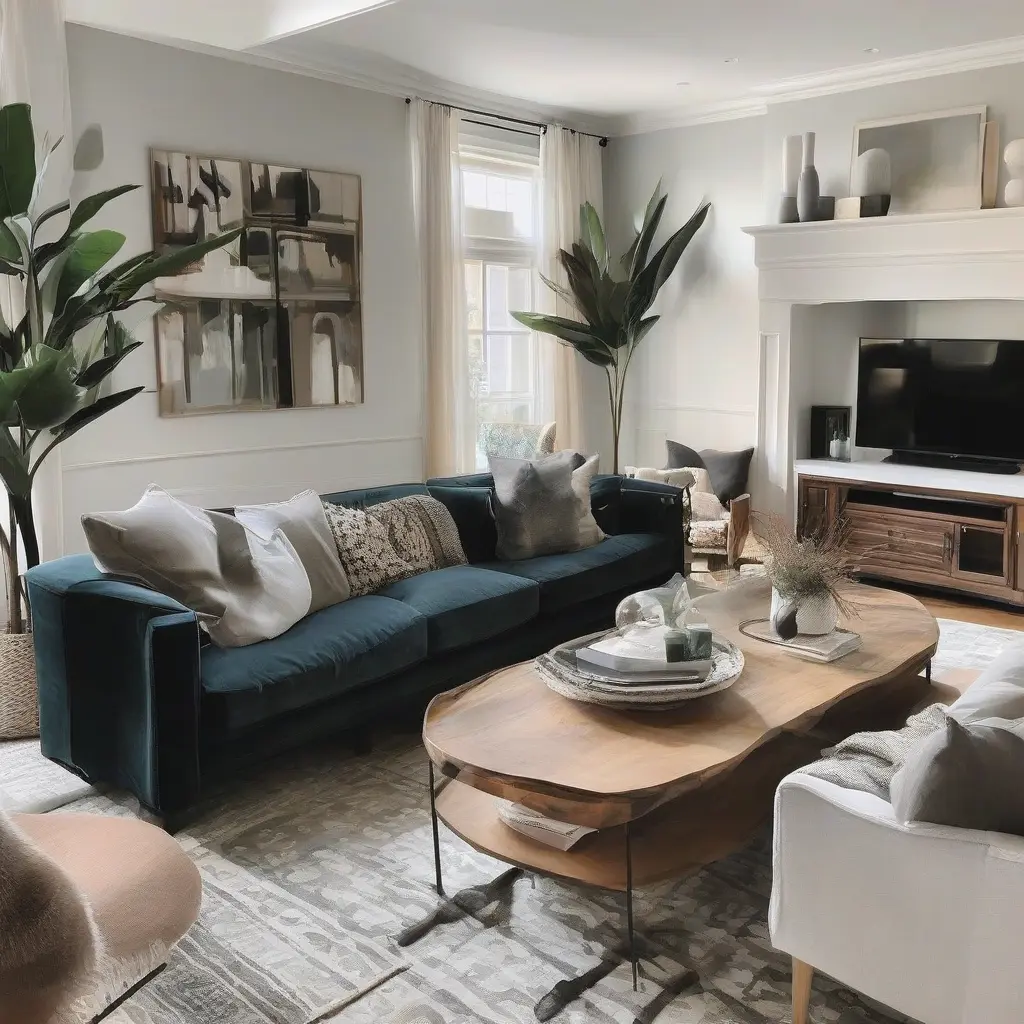
Choosing the right furniture arrangement for your living room can dramatically impact its functionality and aesthetic appeal. A well-thought-out layout not only creates a comfortable environment but also maximizes the use of space. Whether you have a spacious area or a compact room, understanding the principles of furniture arrangement can simplify the decision-making process. This guide will provide insights into various factors to consider, including traffic flow, focal points, and room size, which will help you achieve the perfect living room setup.
Understand Your Space
Before diving into furniture arrangement, it’s essential to assess your living room’s dimensions and layout. Take accurate measurements of the room, including doorways, windows, and any architectural features. This will give you a clearer idea of what furniture can fit and how it can be arranged. Also, consider the overall style of your room—traditional, contemporary, or eclectic—as this will influence your choice of furniture and arrangement. Understanding your space is the first step toward creating a harmonious living area.
Determine the Focal Point
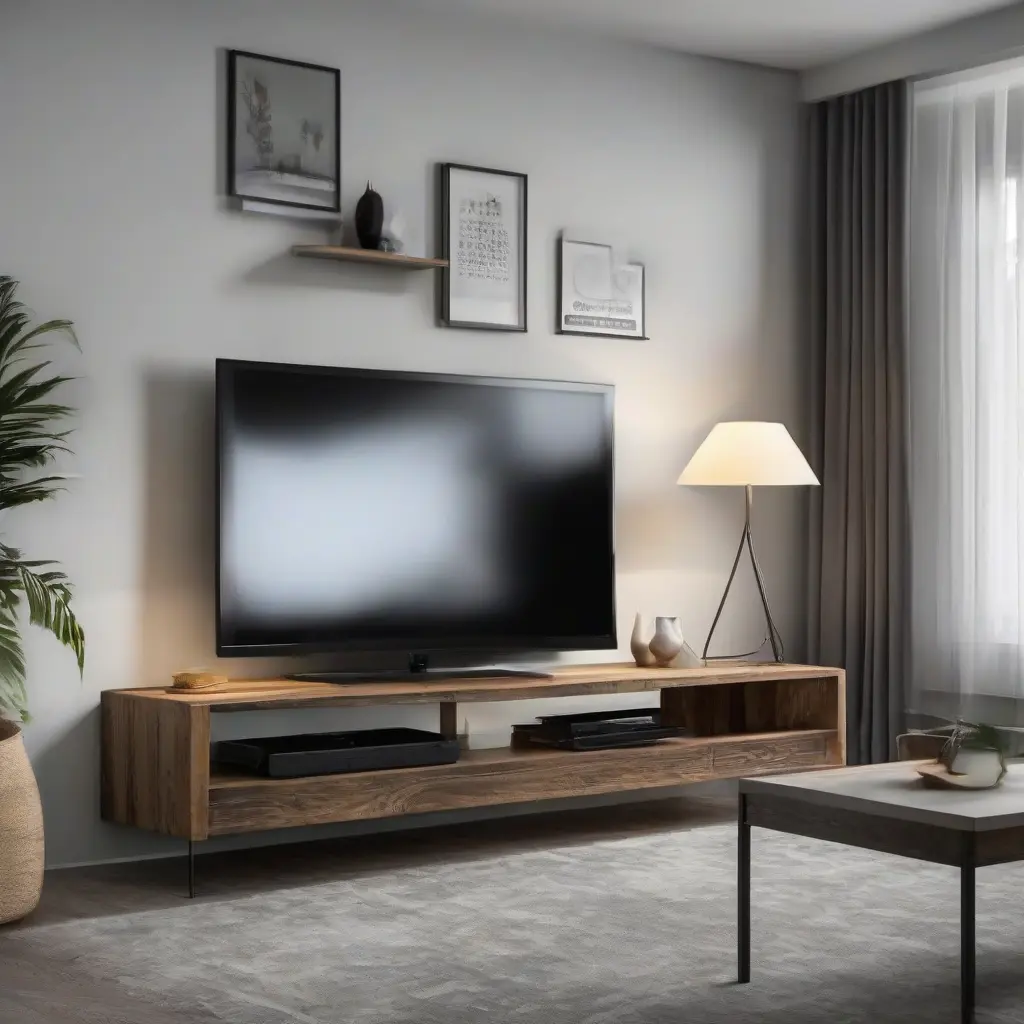
Every living room should have a focal point that draws attention and sets the mood for the space. This could be a fireplace, a large window with an appealing view, or a piece of artwork. Position your furniture in a way that encourages conversation and directs attention toward this focal point. For example, arrange seating to face each other, creating a cozy and inviting atmosphere. Having a clear focal point helps guide your arrangement decisions and creates a cohesive look and feel.
Consider Traffic Flow
Effective furniture arrangement takes into account the flow of movement within the room. Ensure that there is enough space for people to walk comfortably around furniture pieces without obstruction. Ideally, leave at least 24 inches of walking space between the sofa and coffee table. Arranging furniture in a way that facilitates easy movement enhances the overall usability of your living room. A clear path between entrances and essential pieces creates a seamless and welcoming environment.
Select the Right Furniture Size
Choosing appropriately sized furniture is crucial for creating a balanced look. Oversized furniture can overwhelm a small living room, while too-small pieces may look lost in a expansive space. Select furniture that fits proportionately within the room’s dimensions and scale your pieces accordingly. For instance, in a larger room, you might mix a sectional sofa with a couple of accent chairs. Conversely, in smaller spaces, opt for compact or multifunctional furniture to maximize usability without compromising comfort.
Opt for Multi-Functional Furniture
In today’s homes, multifunctional furniture is increasingly popular, especially in living rooms where space is limited. Consider pieces that serve dual purposes, such as a coffee table that doubles as storage or a sofa bed for accommodating guests. These versatile items help maximize functionality without cluttering your space. Additionally, they can enhance the overall aesthetic, allowing for a cleaner and more organized look. Investing in multi-functional furniture can streamline your living room arrangement while increasing its utility.
Incorporate Vertical Space
Don’t overlook the vertical space in your living room when arranging furniture. Utilizing wall-mounted shelves or tall bookcases not only provides storage but also draws the eye upward, creating an illusion of more space. Artwork and decorative items placed higher on the walls can contribute to the overall design and make the room feel more dynamic. By incorporating vertical elements, you can enhance the visual appeal of your living room and maintain a more open feel in the layout.
Use Area Rugs Wisely
Area rugs can define spaces and enhance comfort within your living room layout. Selecting the right size rug helps anchor your furniture arrangement, making the area feel more cohesive. Ideally, the front legs of sofas and chairs should sit on the rug to create a unified space. In larger rooms, consider using multiple rugs to delineate different areas, such as a conversation zone or a reading nook. This strategic use of area rugs helps enhance both functionality and style in your living room.
Add Personal Touches
Personalizing your living room arrangement can turn a standard layout into a warm and inviting space. Incorporate items that reflect your personality, such as family photos, unique decorative pieces, or handmade crafts. Choose colors and textiles that resonate with you and complement your furniture. While functional elements are crucial, adding personal touches elevates the overall ambiance and ensures that your living room feels like home. This spontaneity can inspire creativity in your furniture arrangement.
Experiment with Layouts
Don’t hesitate to experiment with different furniture layouts to find what works best for your living room. Sometimes, the ideal arrangement may not be immediately obvious, so rearranging furniture can yield surprising results. Consider using a layout tool online or sketching a floor plan to visualize various configurations. This allows you to see which arrangement enhances beauty, improves flow, and maximizes space. Keep in mind that comfort is key; prioritize layouts that foster relaxation and encourage interaction.
Seek Professional Help if Needed
If you’re feeling overwhelmed by the task of arranging your living room, consider seeking help from a professional interior designer. They can offer valuable insights into space planning and aesthetics, ensuring that your arrangement aligns with your vision and lifestyle. Additionally, designers can help you avoid common pitfalls, recommend furniture styles, and suggest layout options tailored to your specific needs. Investing in professional advice can save time and stress and ultimately lead to a more functional and beautiful living space.
Conclusion
Choosing the best furniture arrangement for your living room layout is a thoughtful process that involves understanding your space, selecting appropriate furniture, and creating a cohesive design. By considering key factors such as focal points, traffic flow, and personal style, you can craft a living area that is not only aesthetically pleasing but also highly functional. With a bit of planning and creativity, your living room can become the perfect retreat for comfort and relaxation.