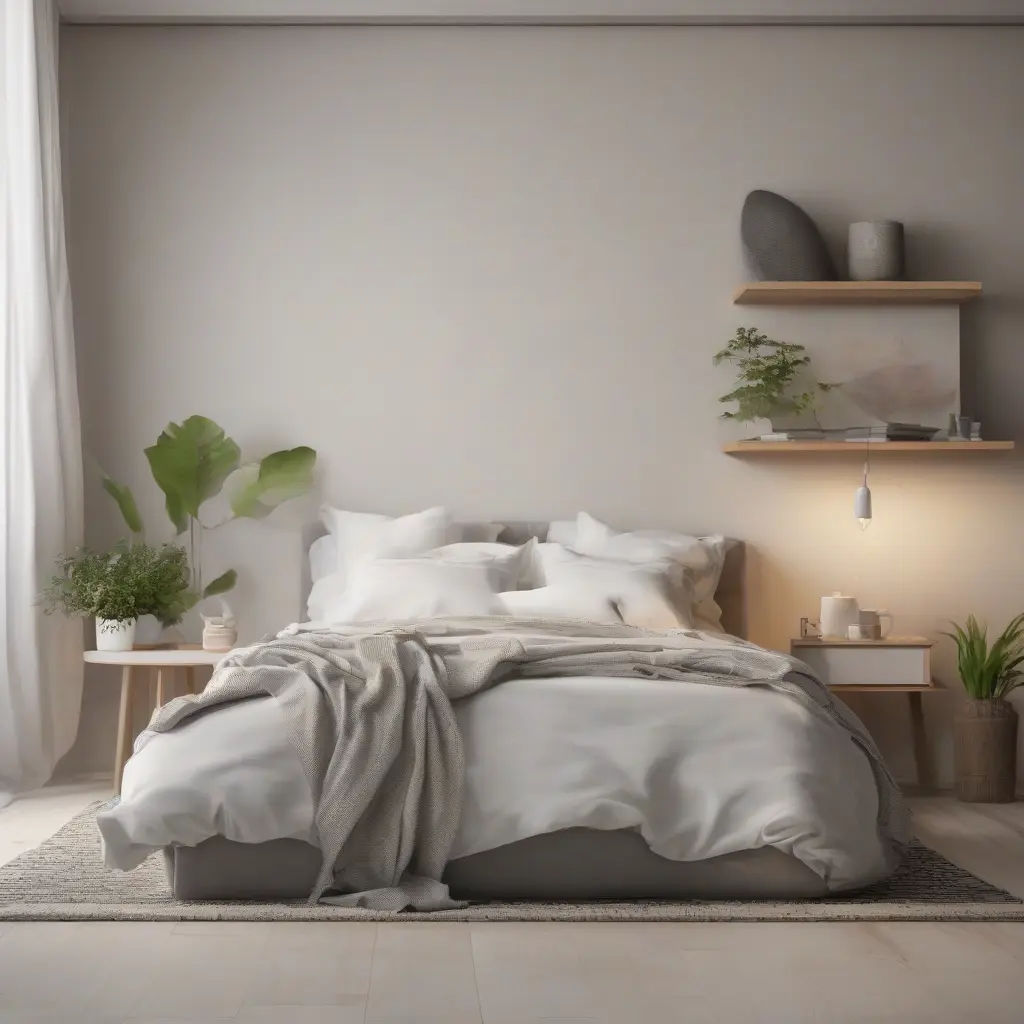
Creating a functional workspace in a small bedroom can be a challenge, but with the right strategies, it’s entirely possible. Your bedroom can serve not just as a place for rest, but also as a productive area for tasks such as studying or working from home. To optimize your small space, consider layout, furniture choices, and organization. In this article, we will explore practical tips to transform your bedroom into a workspace that balances productivity with tranquility.
Assess Your Space and Needs
Before setting up your workspace, take the time to assess your bedroom’s layout and your specific needs. Consider how much space you can realistically allocate for a desk, chair, and any additional equipment like computers or printers. Measure your available space to identify any potential constraints. It’s also essential to think about your work habits; do you need quiet, focused time, or do you thrive in a more lively environment? Understanding these factors will guide your design choices.
Choose the Right Desk
Selecting the right desk is crucial in maximizing functionality in your small bedroom. Look for compact designs that still offer sufficient workspace for your needs. Desks with built-in storage or floating desks can be excellent options, saving floor space while providing necessary functionality. If you’re restricted in width, think about a corner desk to make the most of your room’s shape. Additionally, consider the desk height to ensure comfort, which plays a critical role in your productivity.
Opt for Multi-Functional Furniture
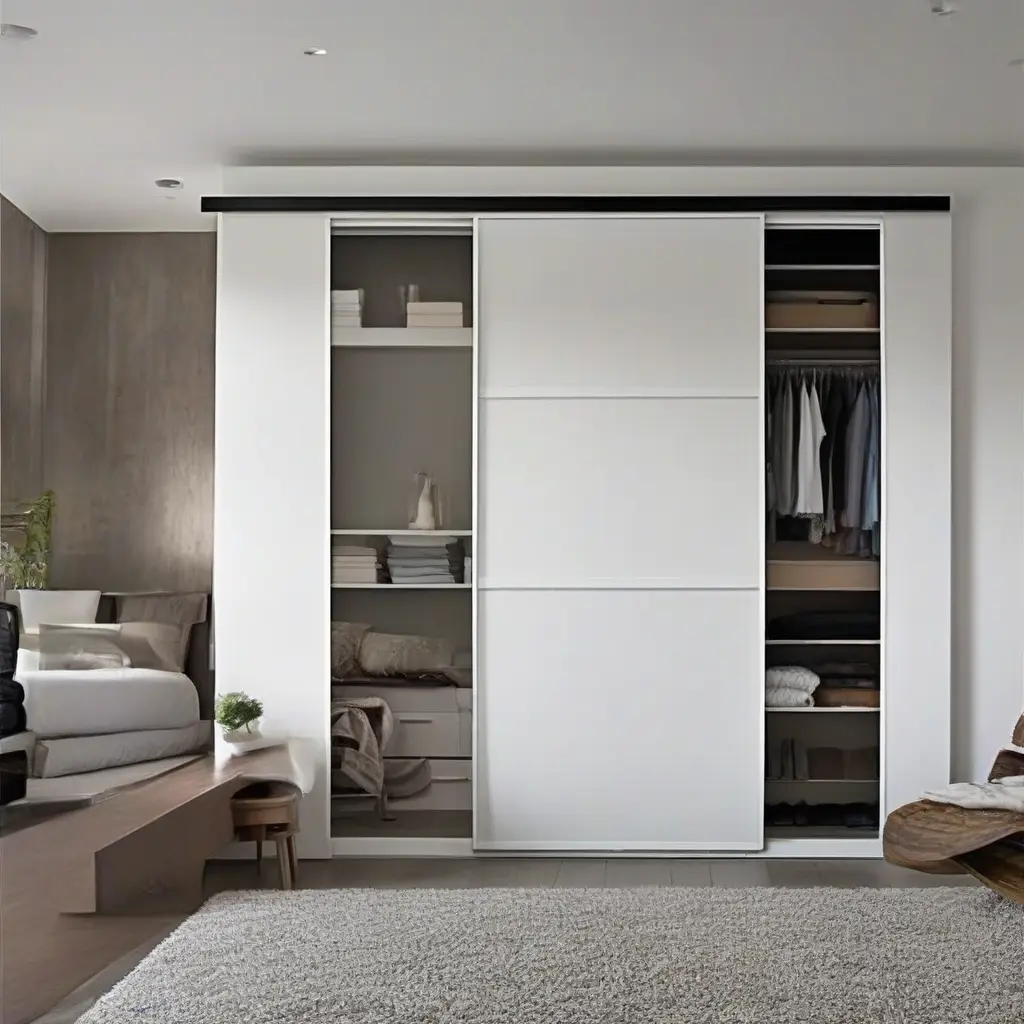
In small bedrooms, multi-functional furniture can be a lifesaver. Pieces like foldable desks, ottomans with storage, or a Murphy bed can help streamline the space while catering to your workspace needs. These items allow you to transform your bedroom dynamically, adapting to both work and relaxation effectively. When furniture serves dual purposes, it maximizes the utility of each piece while minimizing clutter, creating a harmonious environment.
Maximize Vertical Space
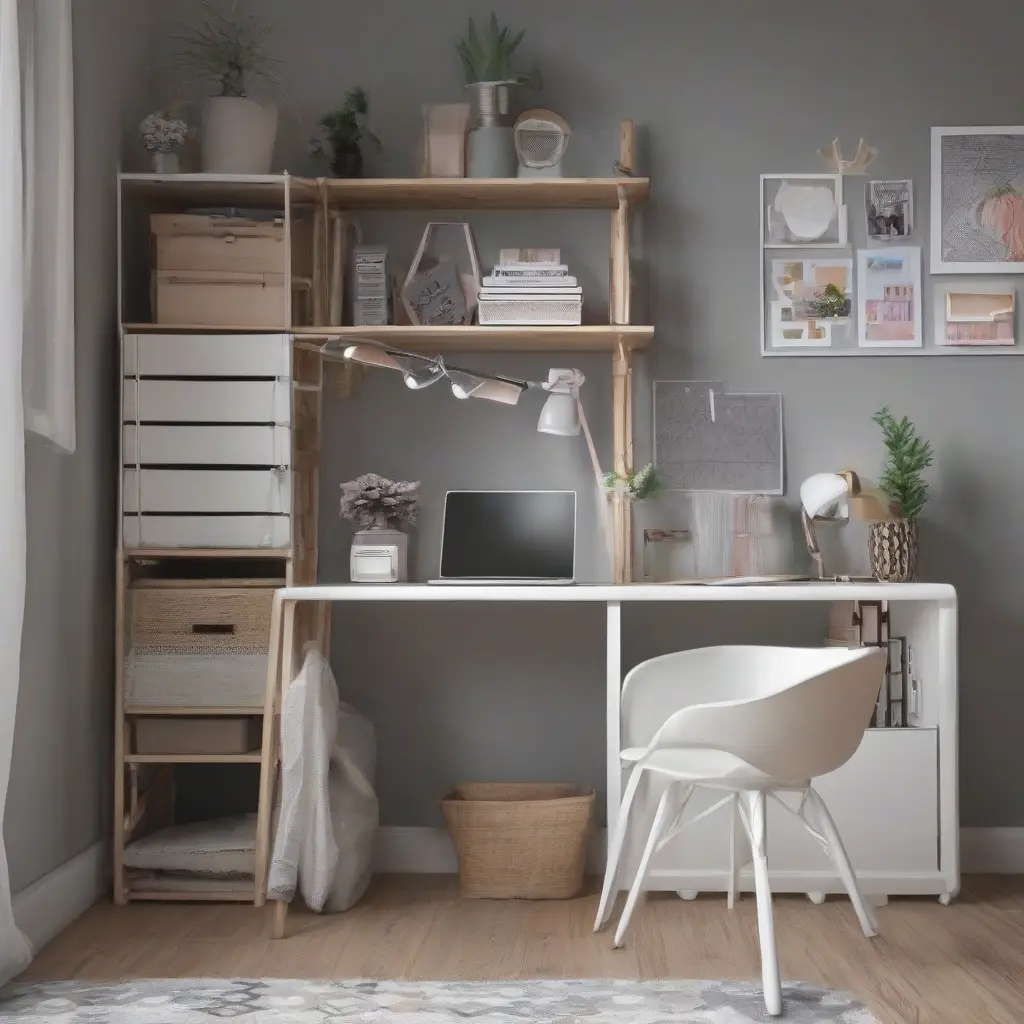
When dealing with limited floor space, think vertically. Use shelves, pegboards, or wall-mounted storage to keep your workspace organized. Vertical storage solutions free up desk space by allowing you to store books, files, and office supplies in an accessible manner. Additionally, hanging plants or art can personalize your workspace without taking up precious surface area. A well-organized vertical setup can significantly boost both functionality and aesthetics.
Create an Inspirational Environment
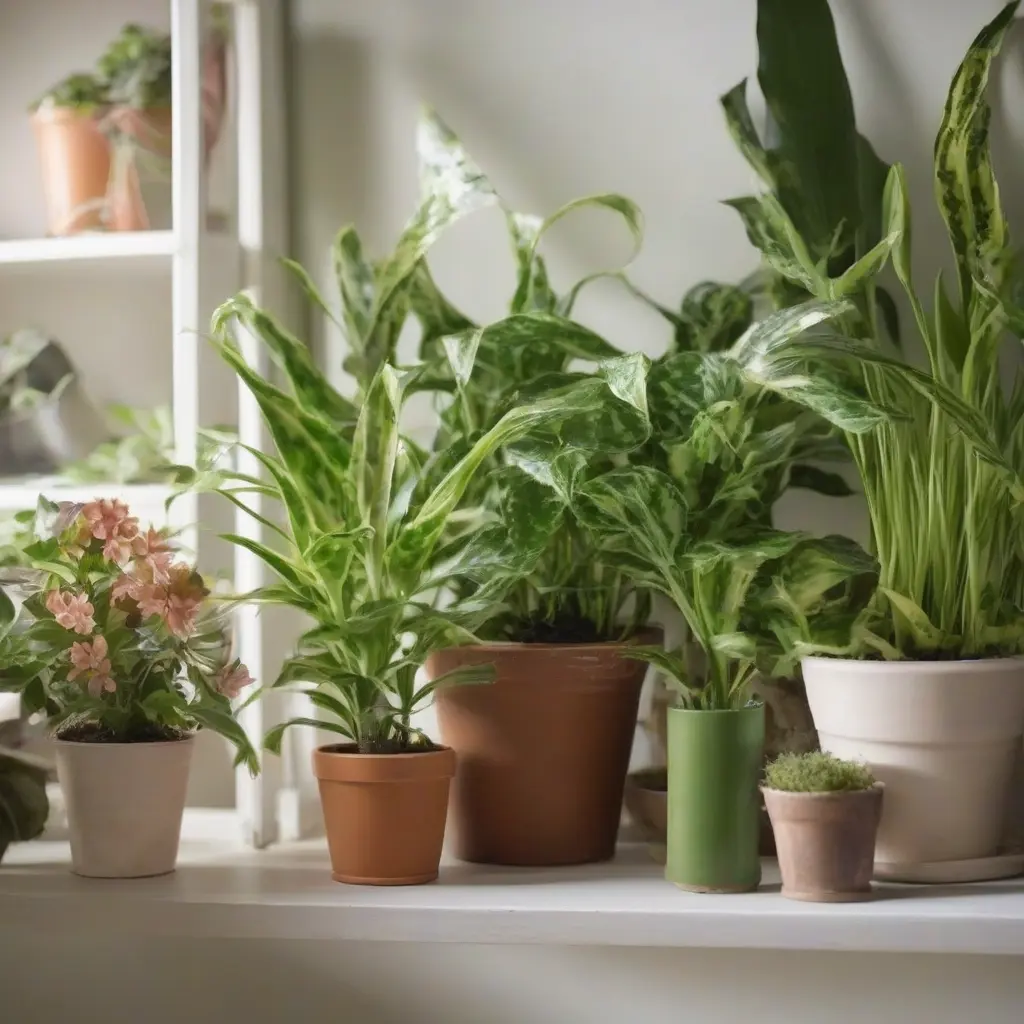
A workspace should inspire creativity and productivity. Personalize your area with items that motivate you, such as artwork, quotes, or a vision board. Incorporating elements like plants can enhance your mood and improve air quality, creating a more pleasant atmosphere. Choose a color palette that resonates with focus and calmness; soft pastels or calming neutrals often work well. By creating an inviting environment, you’ll be more inclined to spend time working in your small bedroom.
Lighting Considerations
Good lighting is essential for any workspace, especially in a small bedroom. Poor lighting can lead to eye strain and decreased productivity. Aim for a combination of natural light and artificial lighting solutions. Desk lamps with adjustable arms can direct light precisely where it’s needed, while ambient lighting can create a warm atmosphere. If your bedroom has a window, arrange your desk to take advantage of that natural light, ensuring a bright and inviting workspace.
Organize and Declutter
To maintain a functional workspace in a small bedroom, organization is key. Invest in storage solutions that help keep everything in order. Utilizing drawer organizers, file cabinets, and baskets can keep your workspace tidy and minimize distractions. Regularly declutter your workspace to ensure it remains conducive to productivity. A clean and organized environment allows you to focus on your tasks by reducing mental clutter, which can be especially beneficial in a compact area.
Incorporate Technology Efficiently
In today’s digital age, incorporating technology into your small workspace is inevitable. Choose devices that suit your needs and enhance productivity, such as laptops or tablets that take up less space compared to traditional desktops. Ensure you have Wi-Fi access in your bedroom and consider cable management solutions to keep cords tidy and out of sight. Efficiently integrating technology will streamline your workflow and help maintain a clean aesthetic in your workspace.
Establish Boundaries
When creating a workspace in a dual-purpose room like a small bedroom, it’s essential to establish boundaries between work and relaxation. Consider using room dividers, plants, or curtains to delineate the workspace. This physical separation can aid in creating mental distinctions, enhancing focus during work hours while allowing you to unwind effectively afterward. Setting clear boundaries helps to foster an environment conducive to both productivity and relaxation.
Keep It Comfortable
Comfort is paramount in any workspace, particularly in a small bedroom where mobility can be restricted. Choose an ergonomic chair that provides good back support, which is especially important for long working hours. Also, ensure that your workspace is well-ventilated and at a comfortable temperature. Small touches like a cushion for added support or a footrest can make a significant difference in your overall comfort, positively impacting your productivity.
Conclusion
Transforming your small bedroom into a functional workspace is achievable with thoughtful planning and organization. By assessing your needs, choosing the right furniture, maximizing vertical space, and creating an inspiring environment, you can cultivate a productive area. Incorporating technology wisely and establishing boundaries further enhances this workspace. A carefully designed workspace will boost your efficiency and provide a balance between work and relaxation that is essential for your well-being.