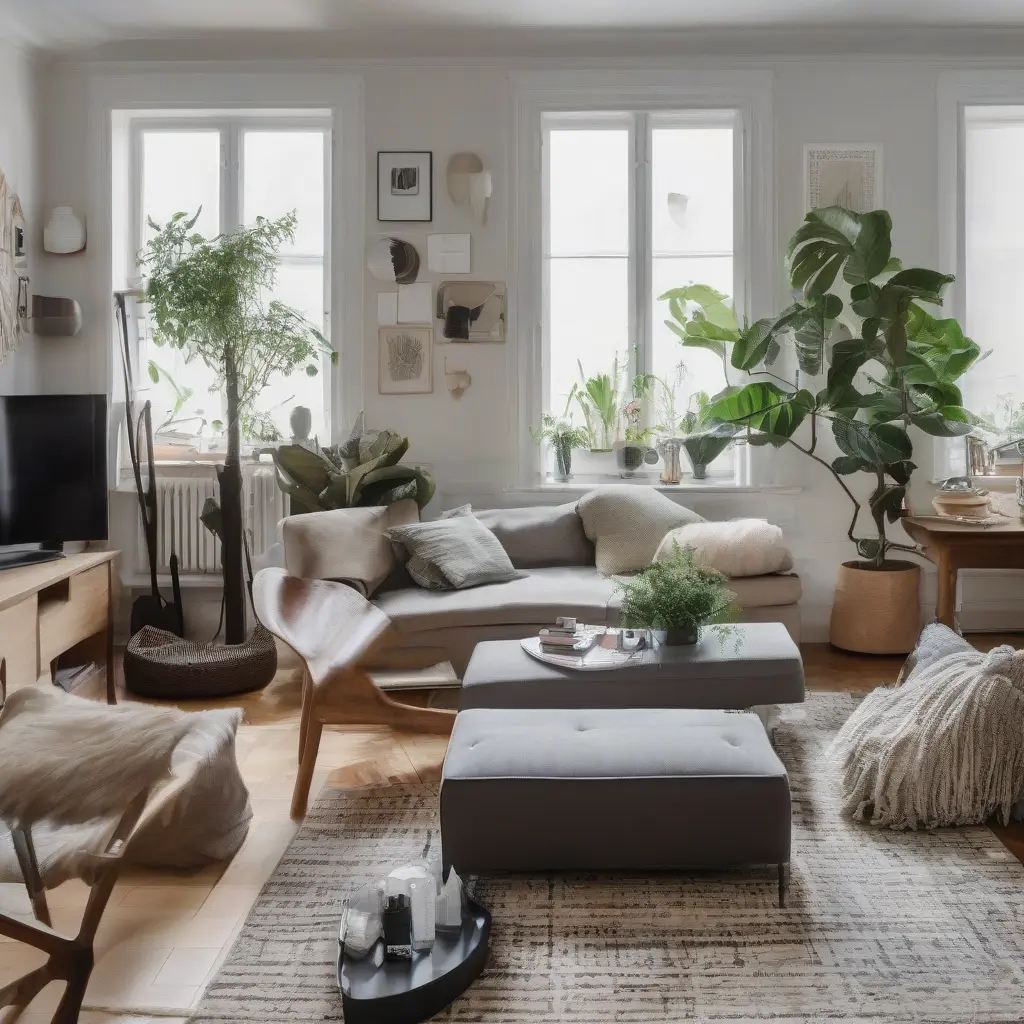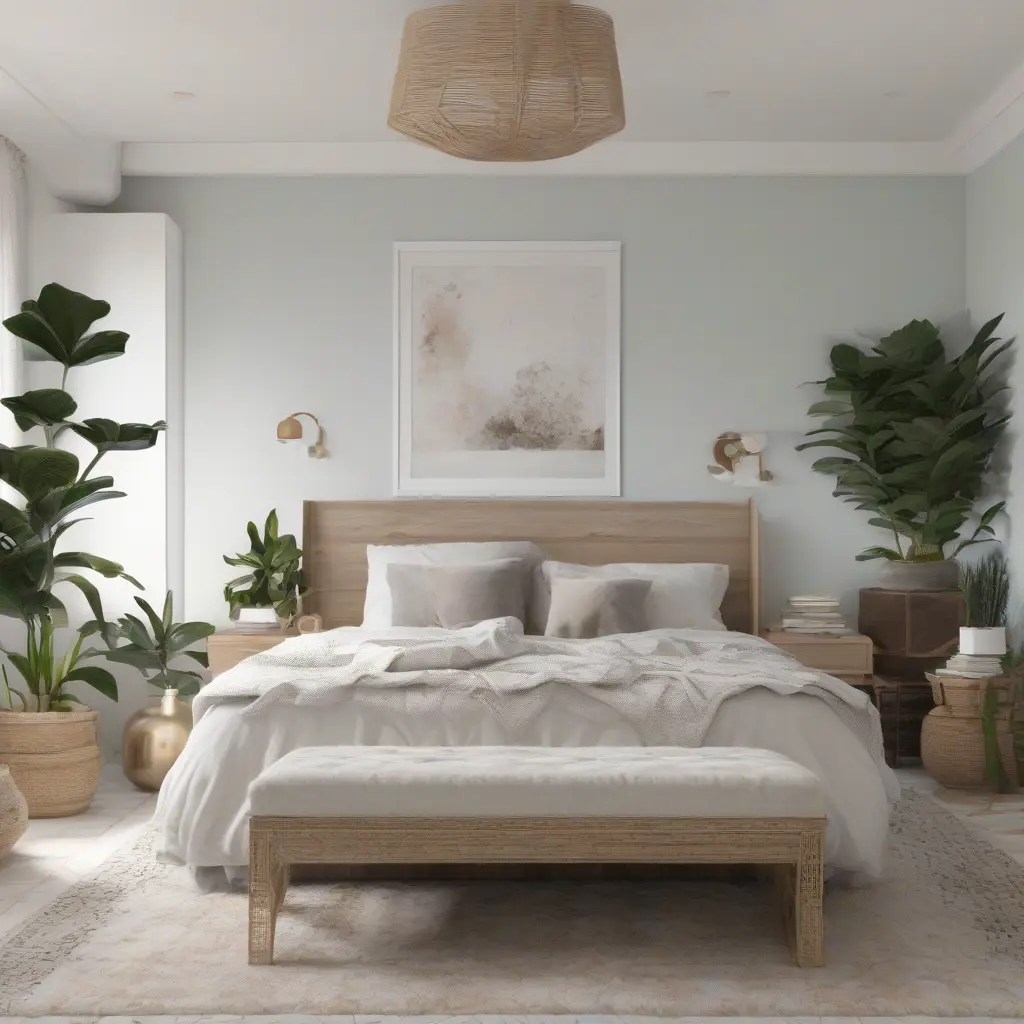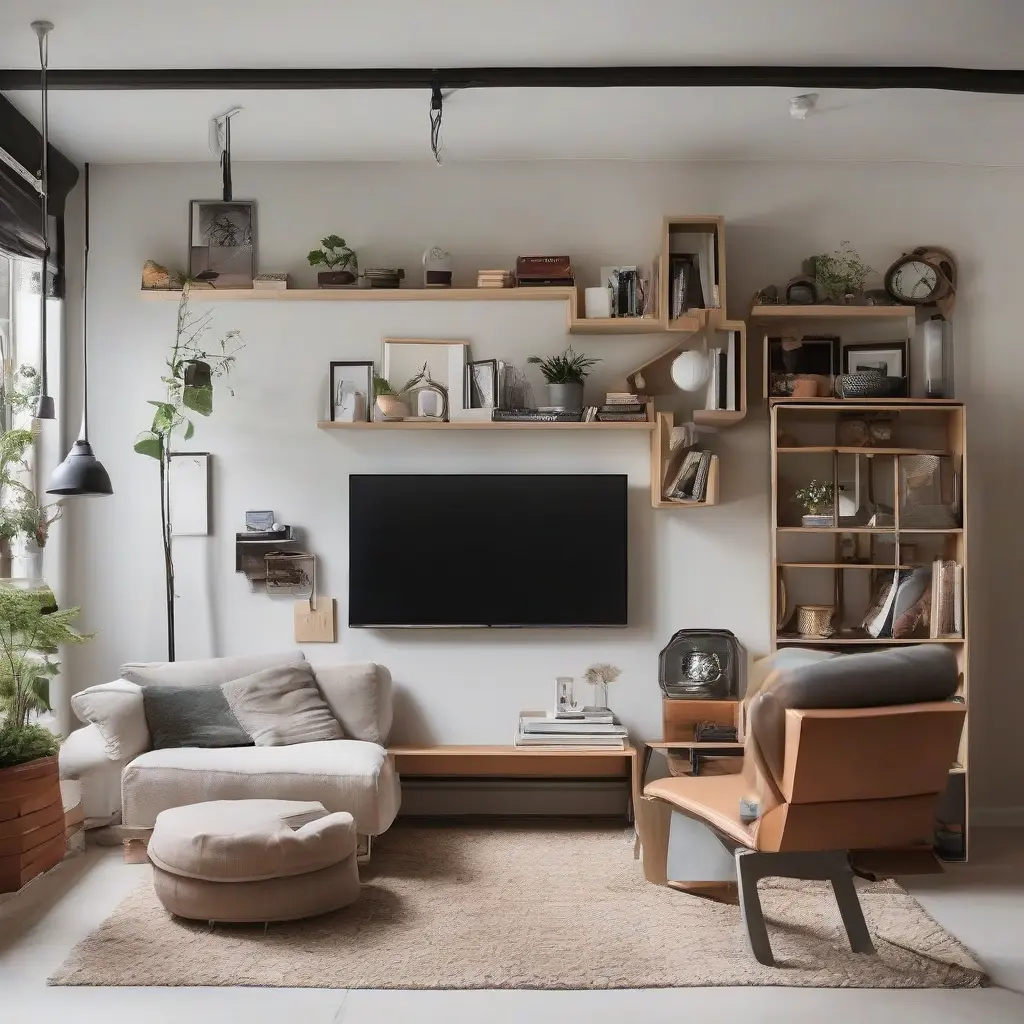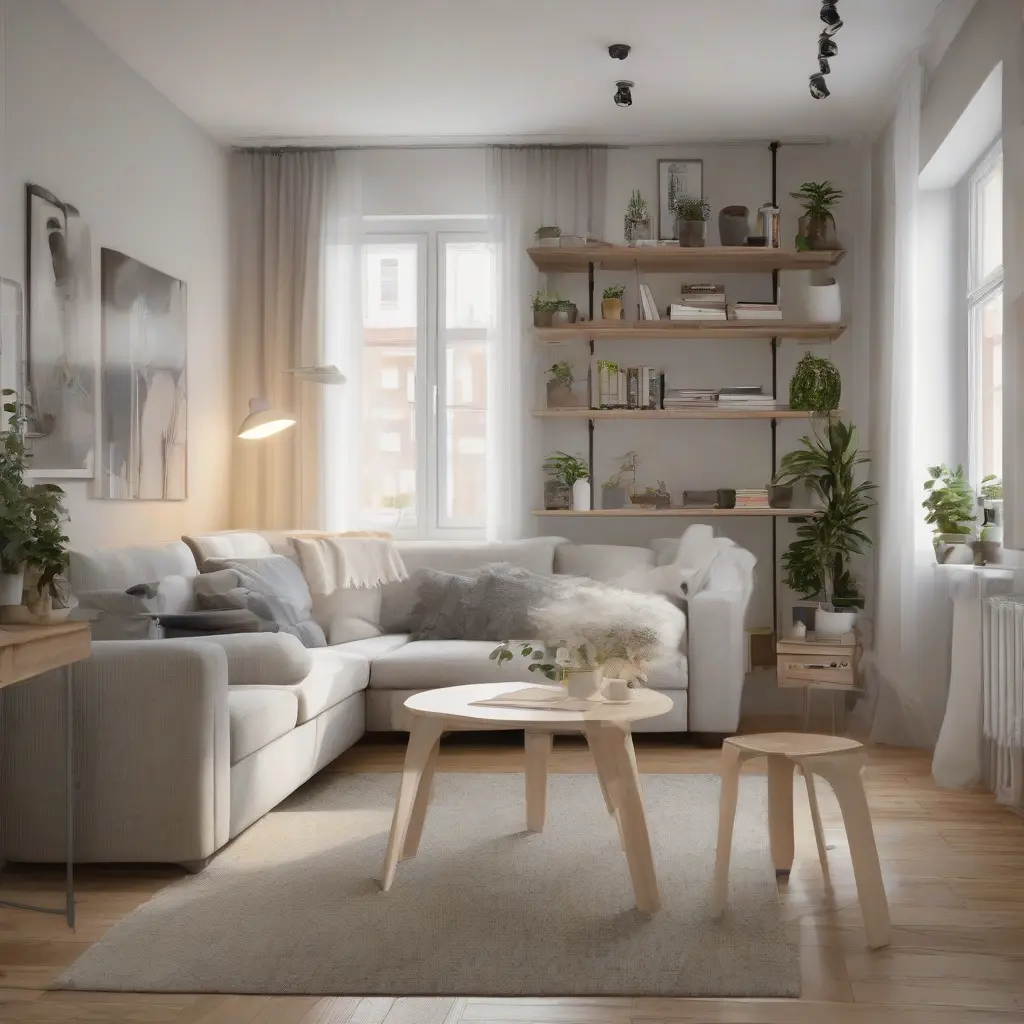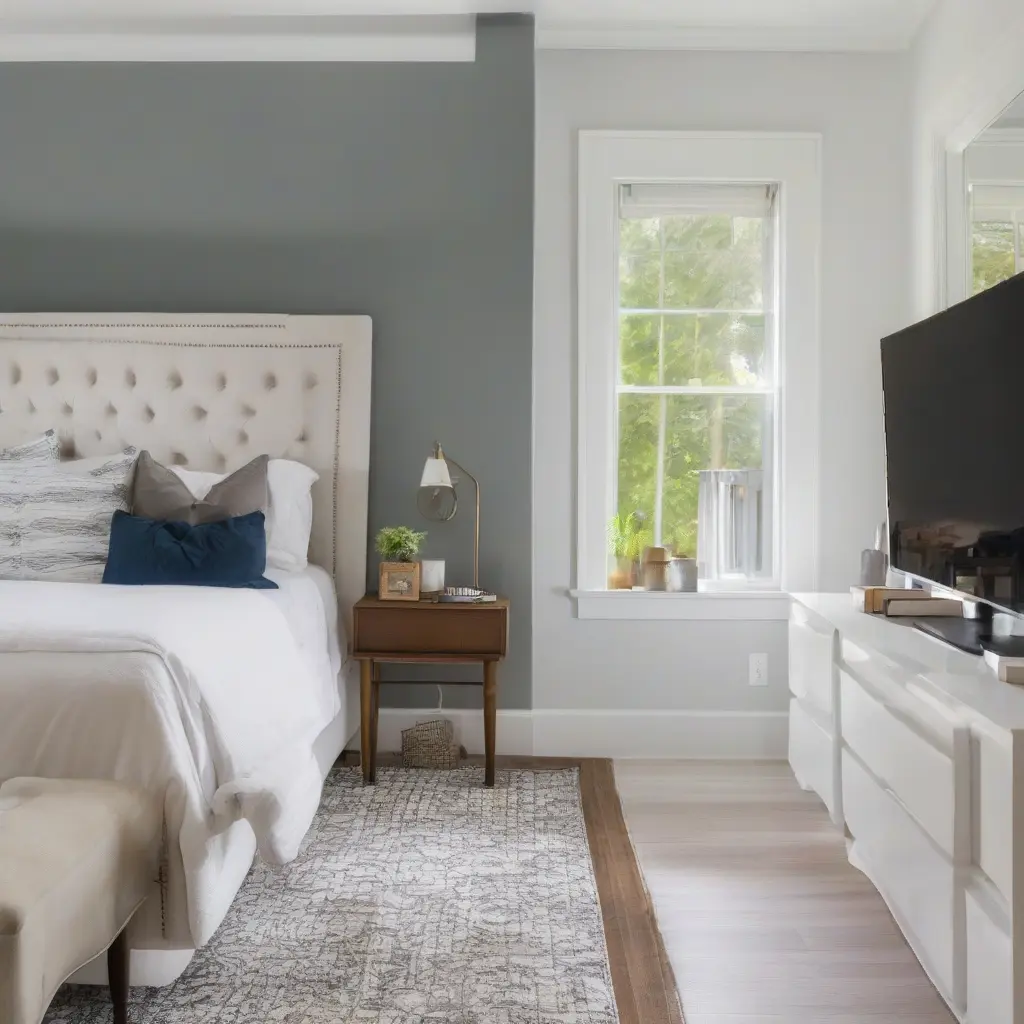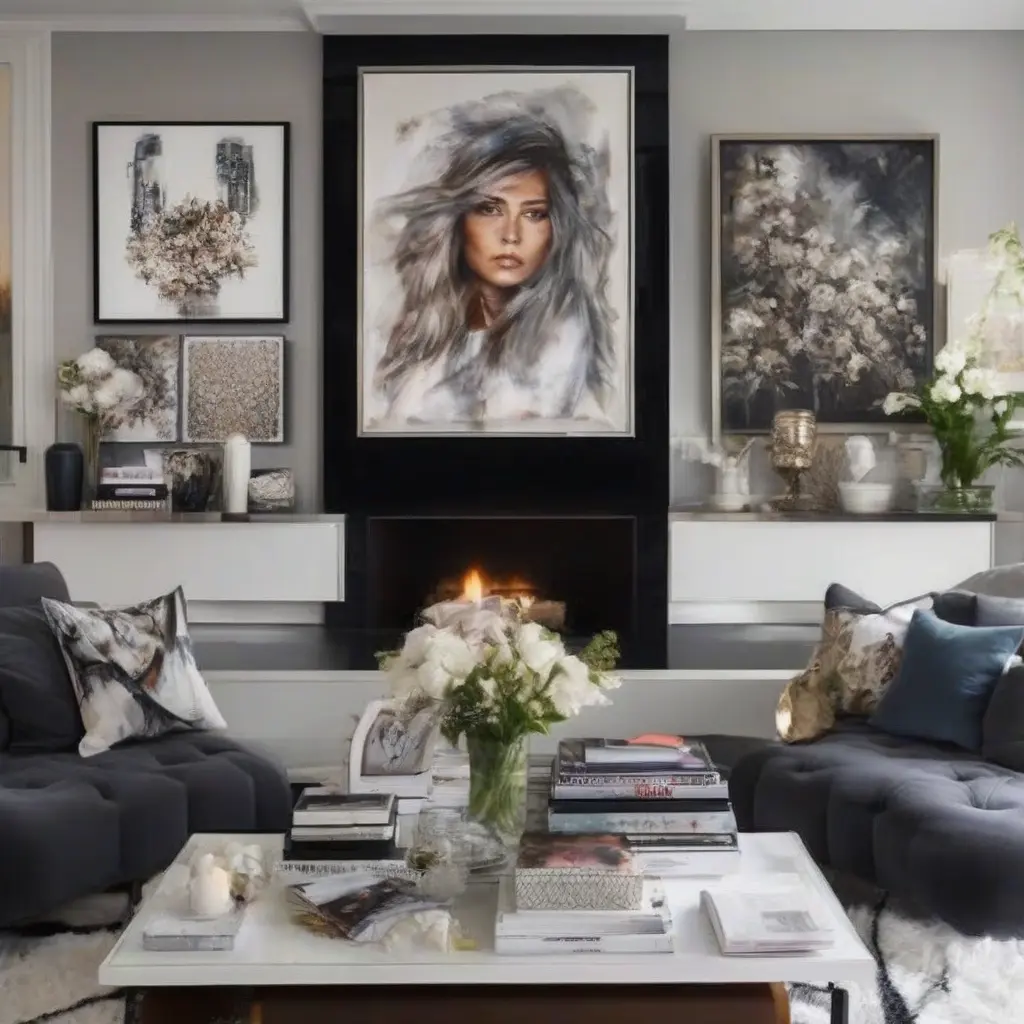
Incorporating personal artwork into your living room decor can truly elevate the space, making it feel more inviting and reflective of your personality. Whether it’s a cherished painting, a sentimental photo, or a unique sculpture, these pieces bring life and character to your environment. By thoughtfully placing and showcasing your artwork, you can create a harmonious balance that enhances the overall aesthetic of the room. This article will provide insights into various ways to seamlessly integrate your personal art into your living room, offering practical tips and creative ideas for all styles.
Choosing the Right Artwork
Selecting the right artwork is crucial for a cohesive living room design. Consider the color palette of your space and the overall theme you want to convey. Artwork that complements existing colors will harmonize the look and feel of the room. You can choose pieces that provide a pop of color or maintain a monochromatic scheme. Additionally, think about the scale and size of the artwork in relation to your living room’s dimensions. Larger pieces can act as focal points, while smaller ones can be grouped together for a gallery-style effect, creating visual interest without overwhelming the space.
Displaying Artwork Strategically
The placement of artwork is just as important as the pieces themselves. Hanging artwork at eye level creates an inviting and engaging atmosphere. You might also consider creating a gallery wall with a collection of smaller pieces. Arranging the artworks in a grid or an organic layout can portray a personal story or theme. Additionally, utilizing shelves or easels allows for flexible display options that can be easily changed over time. Creating balance is key; ensure your art display complements other decor elements such as furniture and lighting.
Incorporating Different Art Styles
Mixing different art styles can add depth and uniqueness to your living room. Combining modern abstract pieces with traditional landscapes, for instance, can create a dynamic layering effect. Use contrasting textures such as metal sculptures alongside soft canvas paintings to engage different senses and aesthetics. The contrast not only enhances the visual appeal but also reflects your diverse taste and interests, making the space feel more personal. Experimenting with different styles can also stimulate conversation and draw the attention of your guests.
Using Framing Techniques
The framing of your artwork can significantly impact its presentation. Select frames that harmonize with the furniture and decor style in your living room. For a contemporary look, consider simple, sleek frames; for a more traditional or eclectic vibe, ornate frames can work beautifully. Alternatively, using the same style of frame across various pieces can create a cohesive look while showcasing the diversity of your art. Consider matting artwork as well; this adds an extra layer that elevates its presentation and can help tie together the colors in your living room.
Lighting Your Artwork
Proper lighting can make all the difference in showcasing your artwork. Natural light can enhance colors and details, but it’s important to minimize direct sunlight to prevent fading. Consider using adjustable wall sconces or picture lights to highlight significant pieces. Alternatively, using track lighting can create dramatic effects, allowing you to emphasize different artworks at various times. Layered lighting ensures that your artwork can be appreciated both during the day and night, transforming your living room ambiance as the light shifts.
Creating a Theme with Artwork
Establishing a theme through your artwork can create a unified and polished look in your living room. Consider selecting pieces that resonate with a particular narrative or story that you want to tell—whether it’s travel, nature, or abstract feelings. This thematic approach allows for continuity in color, subject matter, and style while accommodating personal touches. It’s also helpful to create a mood board before finalizing your selections. This visual representation of your intended style will guide you in curating a collection that truly reflects your personal journey and aesthetic.
Incorporating Functional Artwork
Functional artwork can bridge the gap between beauty and utility in your living room. Consider pieces like artistic shelving units or sculptural table lamps that double as decor and functional elements. Wall-mounted art can also integrate storage solutions while providing visual interest. The key is to select items that remain true to your aesthetic while serving a practical purpose. This not only saves space but also lends a chic and streamlined appearance to your living area, ensuring that your decor does not sacrifice function for style.
Adding Personal Touches
Personal touches are what make your living room truly unique. Displaying family photos in stylish frames or incorporating children’s artwork can evoke emotional connections and memories. Rotating these personal pieces regularly keeps your decor fresh and engaging. Additionally, adding items like handmade crafts or keepsakes from travels integrates stories and experiences into your design. These details not only personalize your space but also provide a conversation starter for visitors, creating a welcoming environment that feels lived-in and warm.
Maintaining and Caring for Artwork
Ongoing maintenance and care for your artwork ensures its longevity and continued appeal. Regular dusting and careful placement away from direct sunlight will help preserve colors and materials. It’s also important to monitor humidity levels in your living room, as extreme humidity can cause damage. If you have valuable pieces, consider professional cleaning or conservation treatments from experts. Simple maintenance practices prevent deterioration and keep your artwork looking vibrant, allowing you to enjoy your personal collection for years to come.
Conclusion
Incorporating personal artwork into your living room decor enriches your space and provides meaningful context to your design. By thoughtfully choosing, displaying, and caring for your art, you create an inviting atmosphere that reflects your individual personality and style. The transformation of dull walls into vibrant expressions of creativity not only beautifies your home but also cultivates a sense of belonging. Embracing your art can make your living room a more enjoyable place, where every piece tells a story and sparks inspiration.