Living in a tiny space often presents challenges, particularly when it comes to designing a functional and inviting living room. By utilizing space-saving furniture solutions, you can maximize your area while maintaining style and comfort. This guide explores clever ideas and practical tips that help optimize a small living room without compromising on aesthetics or functionality.
Understanding the Layout of Your Tiny Living Room
Before choosing furniture, it’s essential to understand the layout of your tiny living room. Assess the dimensions and architecture to identify focal points, such as windows and doors, that might affect arrangement options. By doing so, you can effectively plan your furniture placement, ensuring that it facilitates natural movement and enhances the overall functionality of the space. A well-thought-out layout allows for the inclusion of space-saving options that make the room feel more open.
Opting for Multi-Functional Furniture
Multi-functional furniture is a game-changer in tiny living rooms, allowing you to utilize every inch wisely. Consider investing in pieces like a sofa bed, which serves as a comfortable seating option during the day and converts into a bed at night. Additionally, coffee tables with storage compartments or ottomans that can double as seating are practical choices. These versatile pieces not only save space but also reduce clutter, contributing to a more organized living environment.
Incorporating Wall-Mounted Furniture
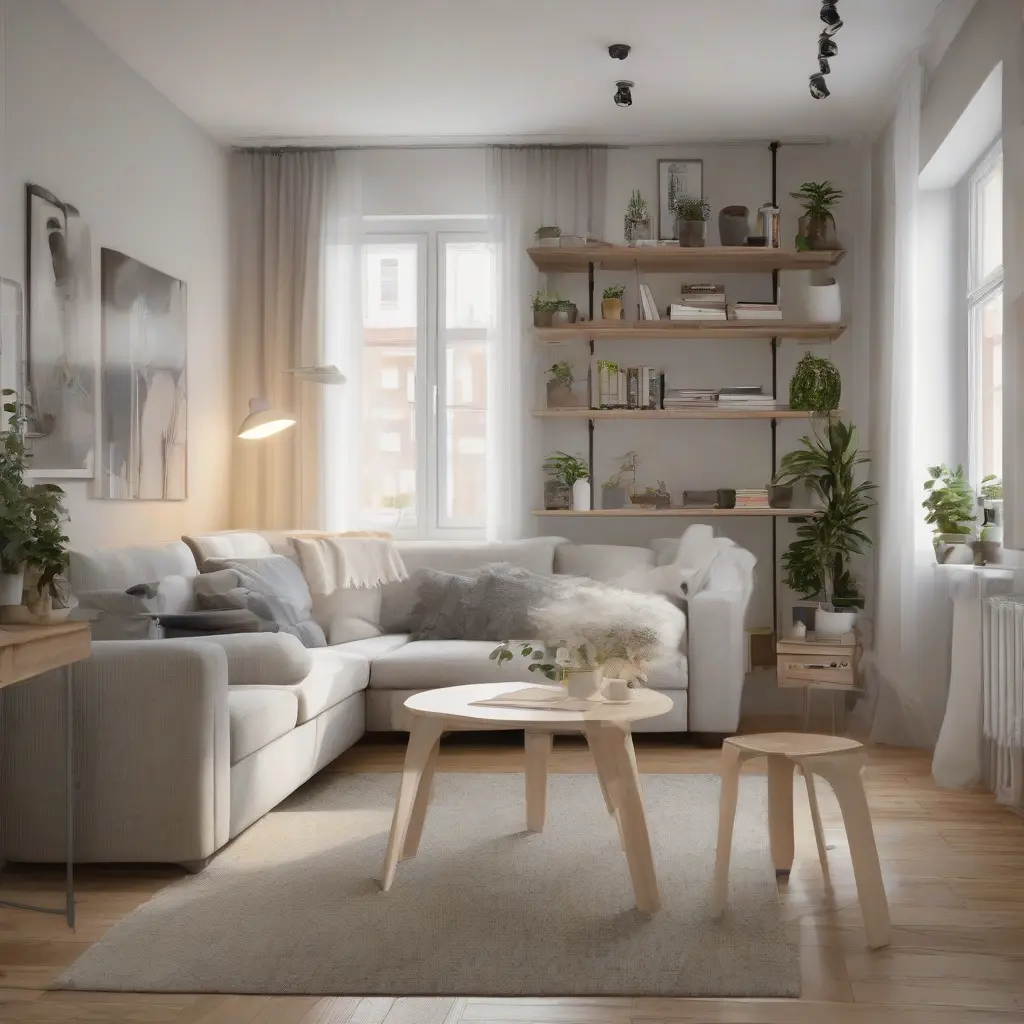
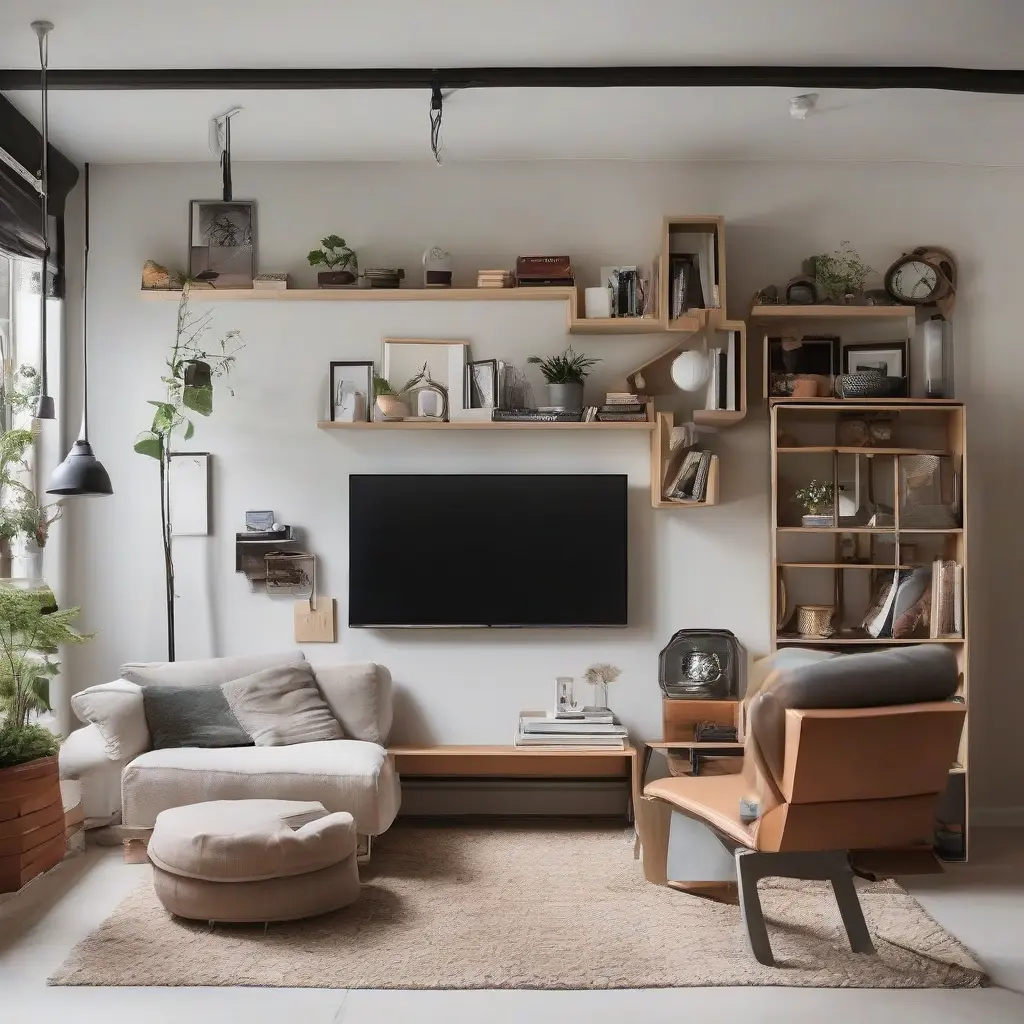
Wall-mounted furniture is an excellent option for saving floor space in small living rooms. Items such as wall shelves, foldable desks, or even wall-mounted TV units can free up valuable area by taking advantage of vertical space. Wall shelves also provide an opportunity for displaying decorative items or books without the need for bulky furniture. This approach not only maximizes space but adds an element of creativity and style to your living room.
Choosing the Right Sofa for Your Space
Sofas can significantly influence the space perception in a tiny living room, making it crucial to select wisely. Choose a compact loveseat or a sectional that fits snugly into a corner rather than using a large traditional sofa. Additionally, opt for light-colored upholstery or a minimalist design that visually expands the area. By selecting appropriately-sized sofas, you can enhance seating without overwhelming the space.
Utilizing Vertical Storage Solutions
In tiny living rooms, vertical storage solutions can drastically improve organization and reduce clutter. Consider installing tall bookshelves that draw the eye upward, creating an illusion of higher ceilings. Use decorative bins or baskets on these shelves to store away items while keeping them accessible. Additionally, vertical wall organizers can house smaller items, keeping surfaces clear and aiding in maintaining a tidy environment.
Incorporating Light Colors and Patterns
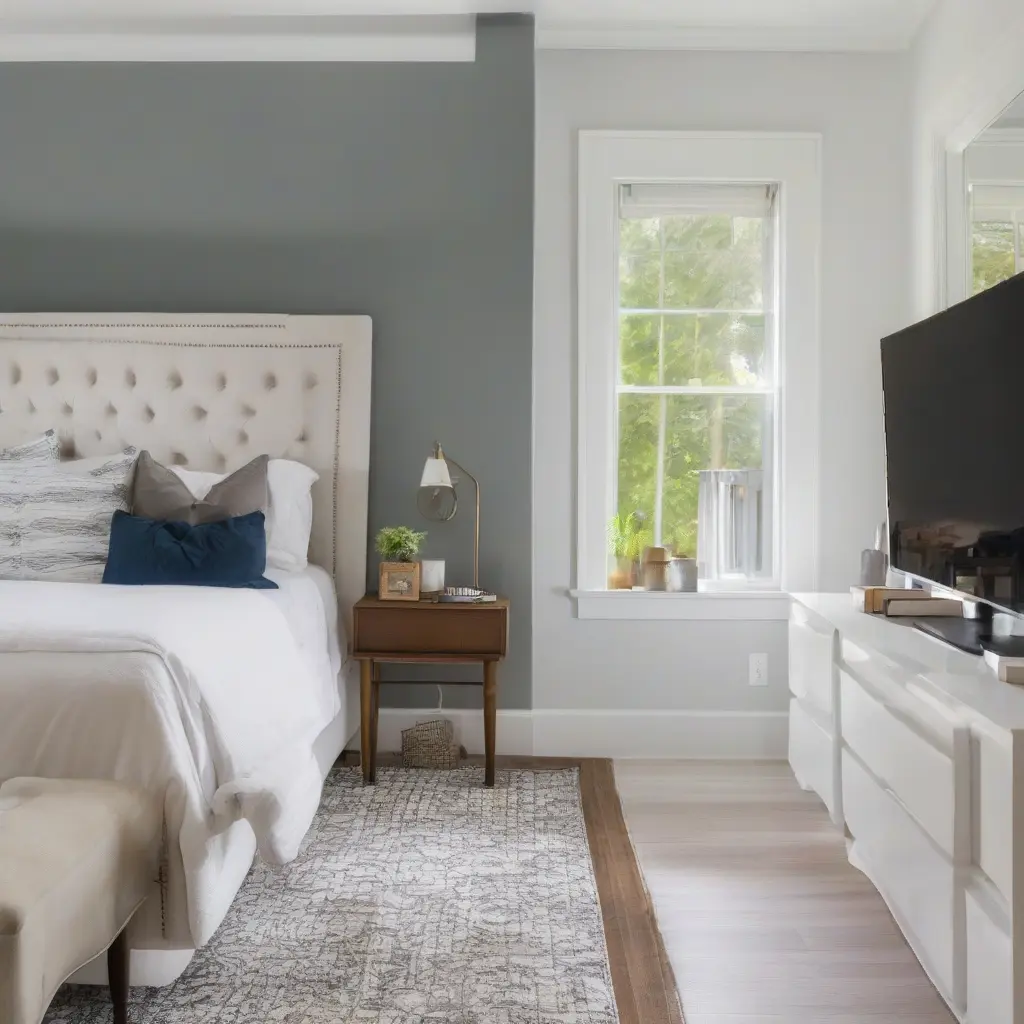
When dealing with a small living room, the choice of colors and patterns is vital in making the space feel more open and inviting. Light colors such as whites, creams, or soft pastels can reflect light and create an airy atmosphere. If you prefer patterns, opt for subtle, small-scale designs to prevent visual clutter. Using the right palette can significantly contribute to the perception of spaciousness in your tiny living room.
Using Mirrors to Create Illusions of Space
Mirrors are a powerful tool for enhancing the sense of space in tiny living rooms. By strategically placing mirrors on walls or using mirrored furniture, you can reflect light and create the illusion of a larger area. A large wall mirror behind a sofa can dramatically open up the room, or a mirrored coffee table can provide a chic yet space-enhancing element. This clever trick allows for a more dynamic living space.
Choosing Furniture with Slim Profiles
Selecting furniture with slim profiles can significantly contribute to creating an open feel in your tiny living room. Avoid oversized furniture that consumes visual space, and instead, choose sleek designs that are lightweight and visually unobtrusive. Chairs and tables with slender legs can appear less imposing, making the room feel more spacious. These minimalist pieces are practical and can enhance the aesthetic appeal of your living room.
Creating Zones Within the Space
Even in a tiny living room, creating distinct zones can enhance functionality and flow. Use area rugs to delineate different areas, such as a cozy reading nook or a conversation zone. Arrange furniture to facilitate easy movement and create a cozy, inviting environment. This zoning approach fosters a sense of separation, giving the impression of more space while ensuring that the living area remains practical and comfortable.
Incorporating Natural Elements
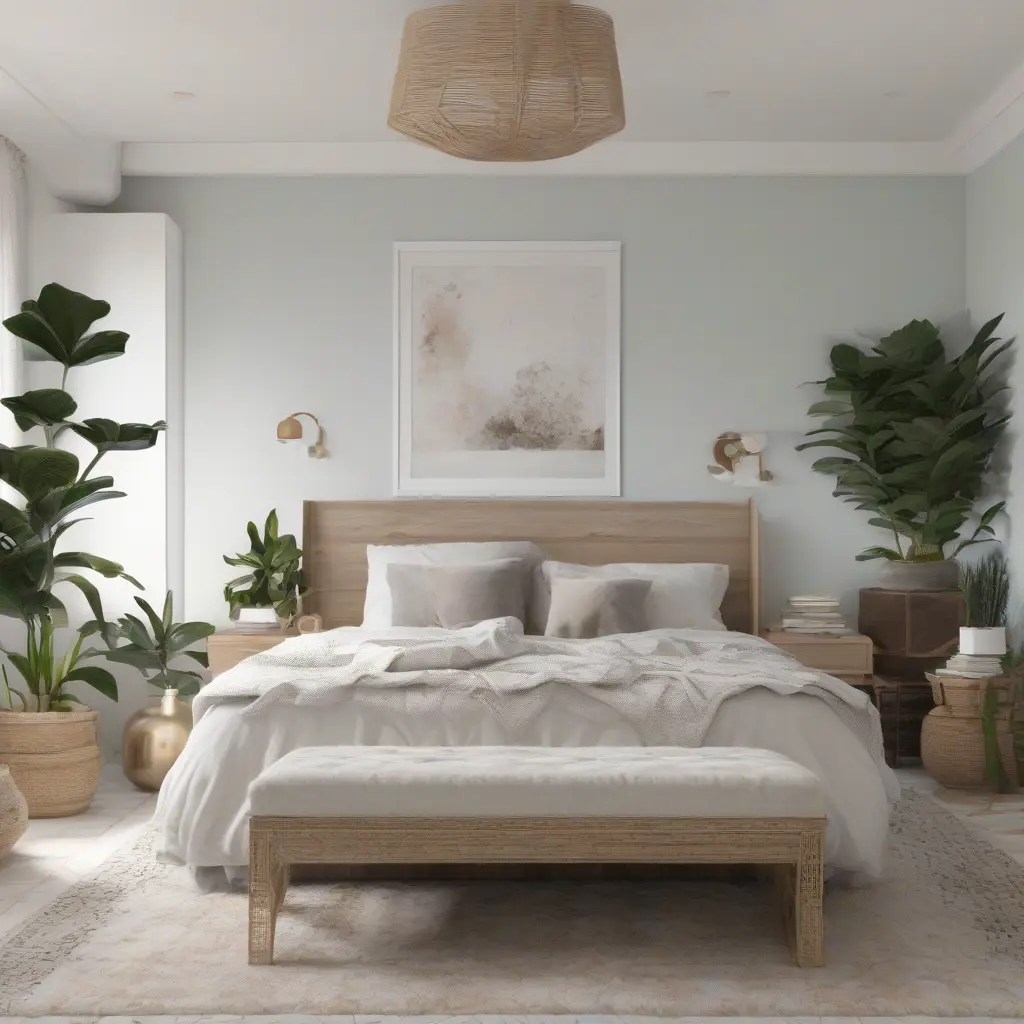
Adding natural elements, such as plants or wooden furniture, can breathe life into your tiny living room, providing visual warmth and texture. Plants can enhance air quality while bringing a touch of nature indoors, which is especially beneficial in smaller spaces. Choose low-maintenance indoor plants that can thrive in limited sunlight, ensuring that your living room remains fresh and inviting without requiring excessive upkeep.
Maximizing Natural Light
Natural light has a significant impact on the ambiance of a tiny living room, making it appear larger and more inviting. Maximize light by using sheer window treatments or avoiding heavy drapes that block sunlight. Strategically place mirrors opposite windows to reflect light deeper into the room. Brightening your space with ample natural light can completely transform the ambiance, creating a comforting environment.
Conclusion
By thoughtfully choosing space-saving furniture solutions and maximizing design elements, you can create a functional and stylish tiny living room. Each tip outlined in this article helps you optimize your space while preserving comfort and aesthetics. Embrace creativity and strategic planning to transform your small living area into a welcoming retreat.