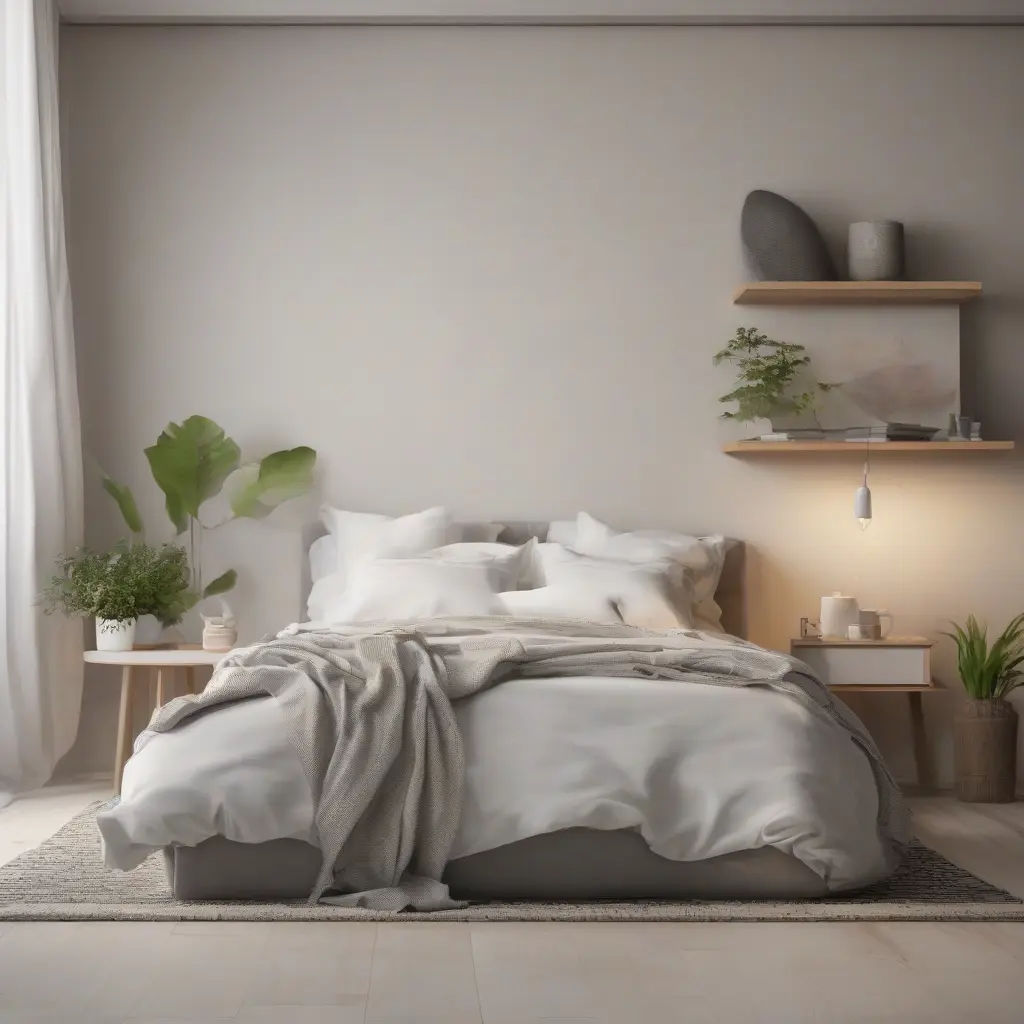
In a rapidly changing world, organizing a bedroom shared by multiple generations can pose various challenges. Family members often have different preferences for decor, storage solutions, and overall organization methods. The unique needs of children, parents, and grandparents can lead to conflicts regarding space utilization and personal ownership. This article delves into strategies that can help create a harmonious living environment by addressing common organizational hurdles when managing a multi-generational bedroom.
Understanding Different Generational Needs
Each generation comes with its own set of values and expectations regarding personal space and organization. For instance, younger family members may prefer a vibrant, casual layout filled with modern storage solutions, while older generations might favor more traditional styles. Acknowledging these differences is crucial as it lays the groundwork for creating a shared space that considers everyone’s preferences. Communicating openly about needs and desires fosters a collaborative atmosphere, making it easier to find common ground in bedroom organization.
Creating Defined Spaces for Personalization
Defining personal spaces within a shared bedroom can greatly improve organization. Incorporating designated areas for each family member ensures that everyone has a specific zone that reflects their taste and functionality. This could involve setting up unique storage solutions like personal bins or shelves that cater to individual needs, allowing everyone to express their identity while avoiding clutter. Defined spaces help maintain peace and ensure that items do not intrude upon others’ personal space.
Incorporating Multi-Functional Furniture
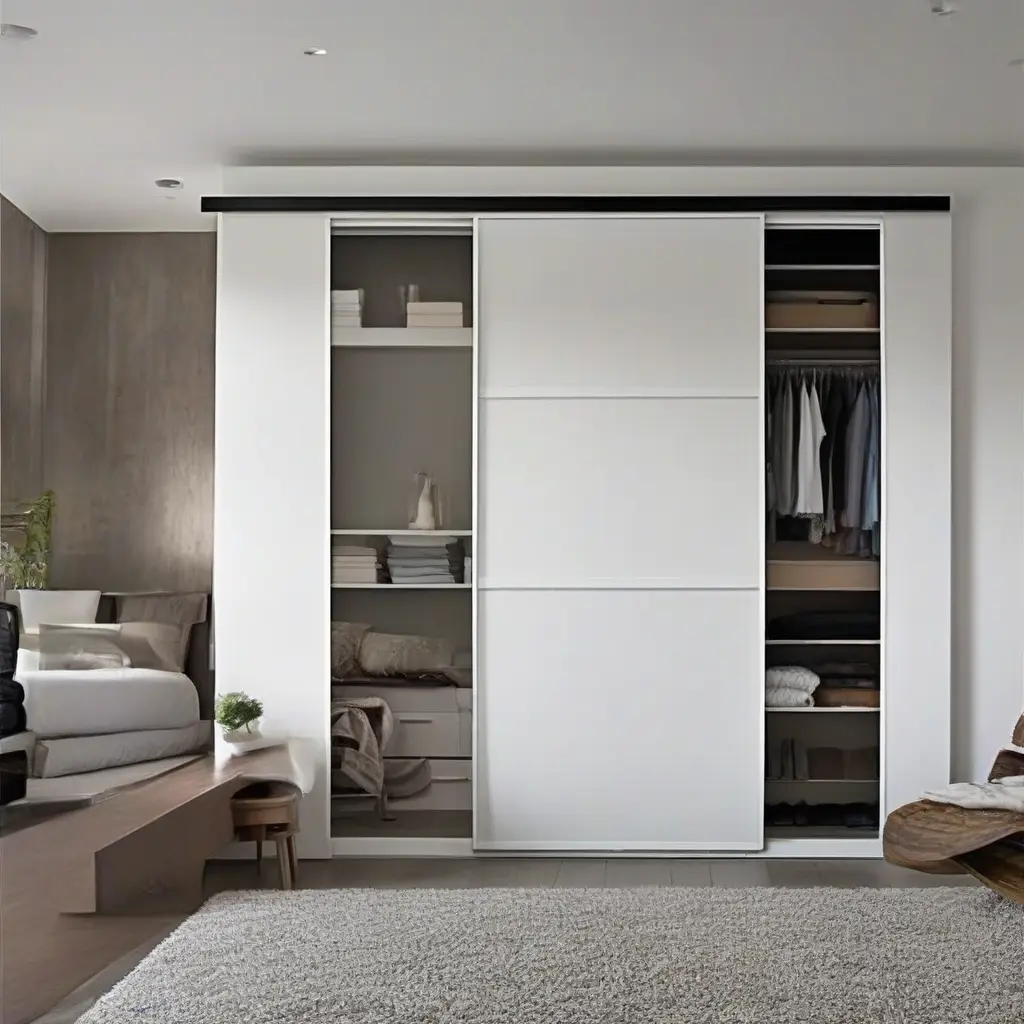
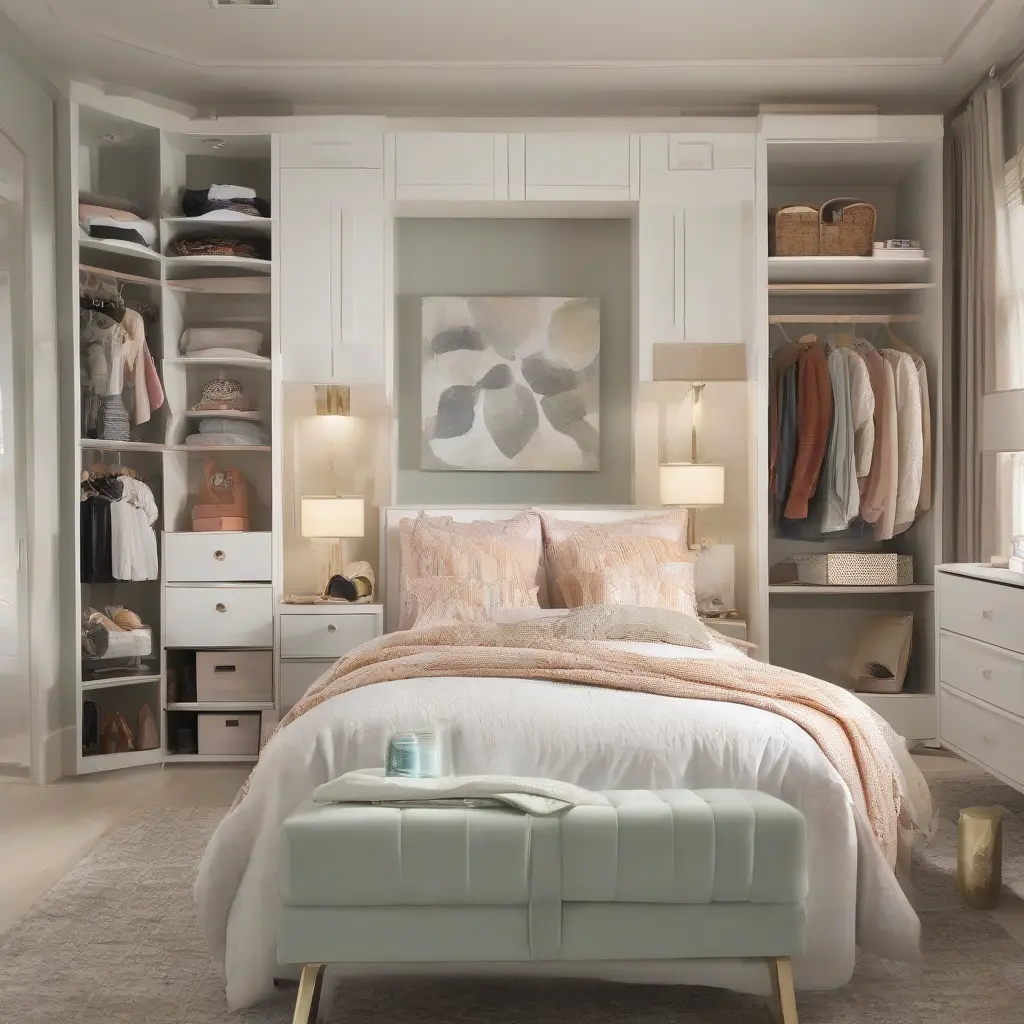
Multi-functional furniture is an effective way to maximize space in a multigenerational bedroom. Options such as beds with built-in drawers or futons that convert into seating can help minimize clutter while providing utility. This also encourages collaborative use of the space, as everyone can share and utilize shared features without compromising their comfort or personal style. By incorporating versatile pieces, family members can enhance both functionality and aesthetics, resulting in a more organized environment.
Utilizing Vertical Storage Solutions
Vertical storage solutions are particularly effective in bedrooms where floor space is limited. Wall-mounted shelves, hooks, and hanging organizers can help provide additional storage without taking up valuable ground area. Utilizing height in a room allows for better use of space while keeping everything accessible. Families can designate specific vertical areas for items like bags, clothes, or personal belongings, ensuring that surfaces remain tidier and more organized.
Encouraging Decluttering Habits
Instilling good decluttering habits among family members is vital for maintaining an organized bedroom. Scheduling regular decluttering sessions encourages everyone to review their belongings and decide what they truly need. Consider making these sessions a family activity where everyone can contribute, promoting ownership of the space. Establishing rules about what can stay and what must go can foster a culture of minimalism, helping reduce accumulated clutter and streamline organization within the shared area.
Establishing a Routine for Maintenance
Maintaining organization in a multi-generational bedroom requires the establishment of a consistent routine. By setting aside specific times for tidying up and reorganizing shared spaces, families can effectively manage clutter before it escalates. Incorporating these maintenance tasks into weekly schedules ensures that everyone contributes to the upkeep. Each person can take turns being responsible for particular tasks, which not only distributes the workload but also reinforces shared accountability.
Open Communication and Collaboration
Open communication regarding preferences and challenges is essential for creating a harmonious multi-generational bedroom. Regular family discussions about organization issues can create a safe space for expressing frustrations or suggestions. Collaborating on solutions allows family members to take ownership and responsibility for shared spaces. This approach promotes teamwork and significantly improves the overall living experience, as everyone feels included in the decision-making process.
Adapting to Changing Family Dynamics
Family structures are dynamic, and so are the needs for bedroom organization. As children grow up or older family members downsize, the approach to organizing must adapt accordingly. Regular evaluations of the bedroom’s layout and storage systems help accommodate shifting needs. This readiness to adapt not only enhances organization but also strengthens family relationships. By remaining flexible and responsive to organizational challenges, families can preserve a sense of comfort and belonging.
Utilizing Technology for Organization
In today’s digital age, technology can play a significant role in bedroom organization. Apps and gadgets designed for storage management, such as inventory tracking tools, can help families assess what they have and where items are stored. Online platforms provide ideas for optimizing space and organization strategies tailored to multi-generational living. Leveraging these technological resources allows families to embrace innovative solutions while streamlining their organizational processes.
Incorporating Personal Touches
Personalizing the space with unique decor items and family photographs can create a welcoming atmosphere while enhancing organization. Encouraging each member to contribute items that have sentimental value can bridge generational gaps and foster a sense of belonging. Personal touches serve as visual reminders of family connections, reinforcing positive relationships. This intentional blend of organization and personalization not only makes the room more inviting but also promotes emotional well-being among family members.
Conclusion
Overcoming organizational challenges in a multi-generational bedroom is achievable through a combination of understanding, communication, and adaptability. By acknowledging the unique needs of each family member and employing effective strategies, families can create harmonious living spaces that cater to everyone’s preferences. Keeping an open dialogue and regularly assessing the organization plan will foster cooperation and lead to a more enjoyable home environment for all.