Organizing a master bedroom closet can be a challenging task, especially when dealing with limited space. A well-organized closet not only enhances the aesthetic of your bedroom but also streamlines your daily routines. This article will explore practical and innovative tips to effectively maximize your closet space, ensuring you can store your belongings efficiently while making the most of every inch available. From strategic sorting to clever storage solutions, learn how to transform your small closet into an optimized storage haven.
Assess Your Closet Space
The first step in organizing a master bedroom closet with limited space is assessing what you genuinely have. Start by emptying the closet completely and cleaning the surfaces. This process not only creates a fresh canvas but also allows you to evaluate your items objectively. Categorize your clothing and accessories into keep, donate, and discard piles. Understanding your existing space and belongings helps in deciding on the necessary storage solutions, ensuring that every item in your closet serves a purpose.
Prioritize Items by Usage
After assessing your closet, it’s essential to prioritize items based on how often you use them. Seasonal items, such as winter coats or summer dresses, can be stored away in less accessible areas, like the top shelf or in bins. Daily essentials should be easily accessible to streamline your morning routine. By grouping items according to frequency of use, you not only enhance the organization but also make it easier to maintain a tidy space over time.
Choose the Right Storage Solutions
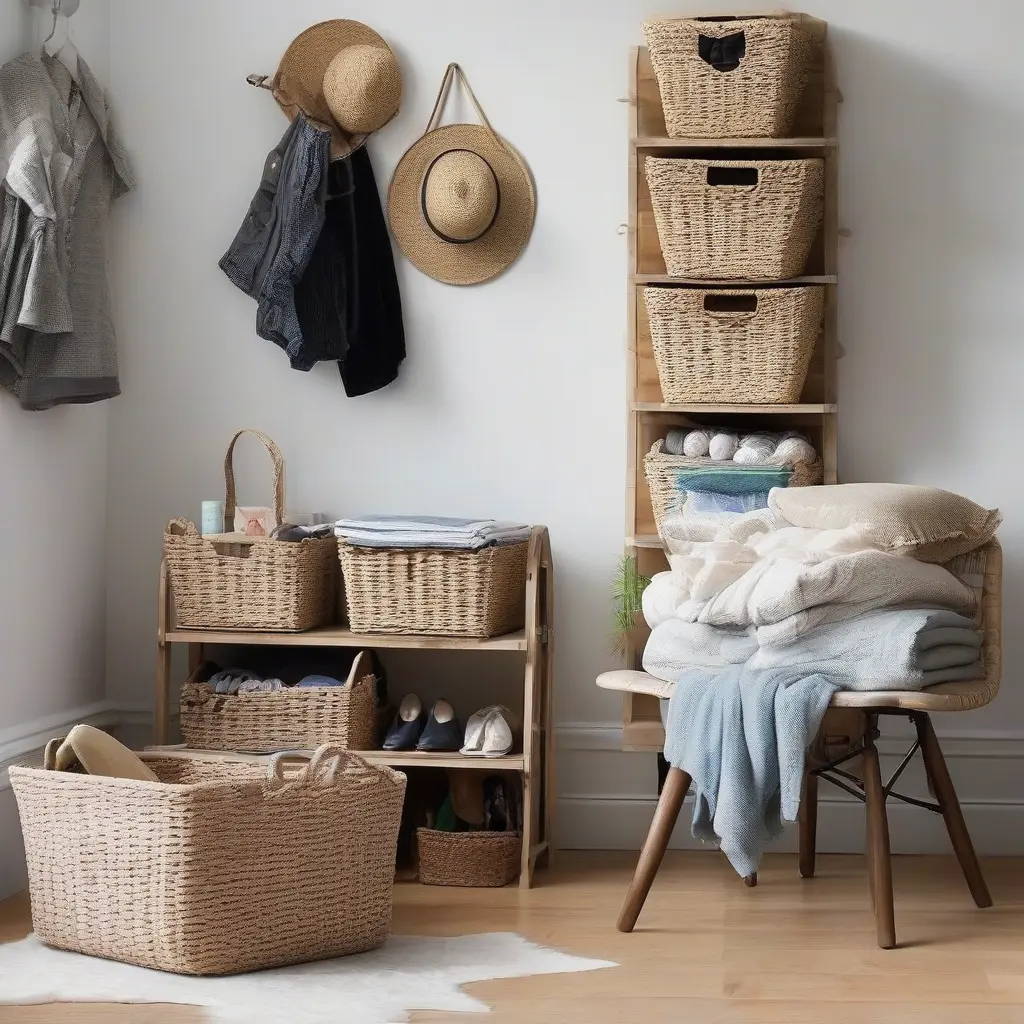
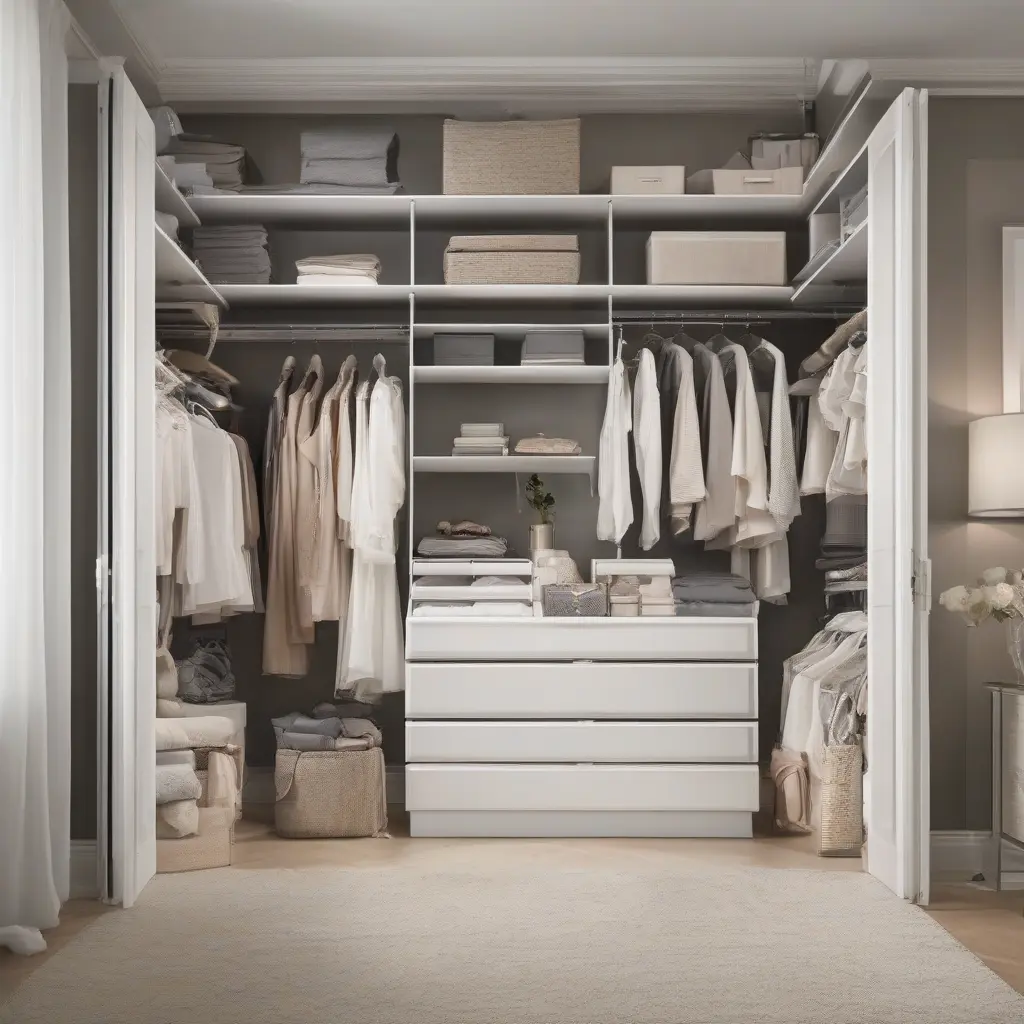
Storage solutions play a crucial role in optimizing a small closet. Consider using vertical space by incorporating shelving units or hooks for hanging items. Utilize bins and baskets to store smaller items while keeping them organized and out of sight. Drawer dividers can also be helpful for categorizing your accessories. Personalized storage solutions cater to your specific needs, ensuring that every inch of space is used efficiently.
Implement a Rotating System
Implementing a rotating system for clothes can be a game-changer for maintaining an organized closet. As seasons change, swap out clothes accordingly, moving off-season items to less accessible locations. This method keeps your closet current and avoids overcrowding with items that are not in regular use. Additionally, a rotating system helps you keep track of what you actually wear, ensuring that your wardrobe remains functional and stylish without unnecessary clutter.
Optimize Door Space
Don’t overlook the space on the back of your closet doors, as it can serve as an excellent additional storage area. Installing hooks or over-the-door organizers can hold accessories like scarves, belts, and bags. This not only maximizes your storage potential but also keeps items visible, making it easier to grab what you need. Utilizing door space creatively provides further organization without consuming more floor space.
Use Slim Hangers
Using slim hangers can significantly increase your closet’s capacity. Traditional hangers can consume more space than necessary, limiting how much you can store. Opt for velvety non-slip hangers, which occupy less space while preventing clothes from slipping off. This small adjustment can expand your usable closet space, allowing you to fit more items comfortably and keep everything organized and neat.
Incorporate Multi-Functional Furniture
If your closet is particularly tight, consider incorporating multi-functional furniture pieces into your bedroom. Ottomans with hidden storage or benches that double as seating and storage can provide additional space for clothing or accessories. These pieces not only keep your bedroom organized but also add to the overall aesthetic. Multi-functional furniture optimizes space while enhancing the utility and style of your room.
Keep a Seasonal Rotation
Establishing a seasonal rotation for your clothing will help maintain a tidy closet year-round. Store away items that are out of season and only keep what is relevant accessible. Implementing this system makes it easier to find what you need and keeps the closet clutter-free. Regularly assessing and rotating your wardrobe ensures that it remains functional and visually appealing, contributing to a more organized living space.
Label Everything
Labeling is a simple yet powerful way to maintain an organized closet. Use clear labels for bins, shelves, and drawers to identify contents easily. This method not only enhances organization but also helps family members quickly find items without creating chaos. Whether using a label maker or handwritten tags, clear identification streamlines the process, encouraging everyone to keep the closet in order.
Regular Maintenance Is Key
Finally, regular maintenance is vital for a well-organized closet. Schedule time monthly to reassess your items and ensure that your closet remains functional. This could mean reorganizing or decluttering as needed. Developing this habit helps prevent clutter from accumulating, making your closet easier to manage. Ultimately, consistent maintenance will sustain the organization efforts you’ve implemented, enhancing overall comfort and functionality.
Conclusion
Organizing a master bedroom closet with limited space requires strategic planning and maintenance. By assessing your space, prioritizing items, and utilizing creative storage solutions, you can transform even the smallest closets into functional and stylish areas. Implementing a dedicated organization system will not only keep your space clutter-free but also enhance your daily life, enabling you to enjoy a serene and organized environment.