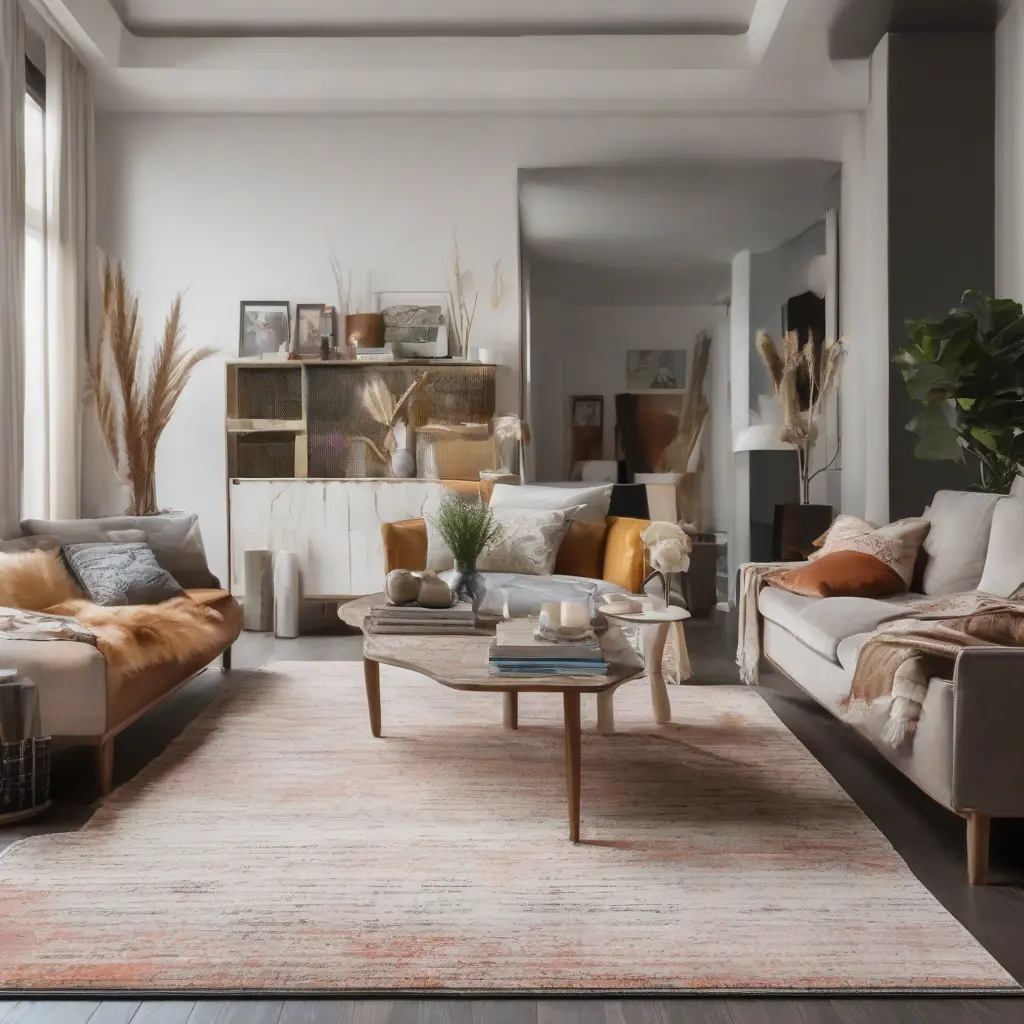
Choosing the right area rug for your living room can dramatically enhance the space’s aesthetic and comfort. An area rug serves as a focal point, ties together the room’s decor, and provides a soft surface underfoot. Factors such as size, material, color, and design all play crucial roles in this decision. Understanding your personal style and the function of the rug is essential in making an informed choice. This guide offers comprehensive insights to help you select the perfect area rug that meets your needs while enhancing your living room’s ambiance.
Understanding the Importance of Area Rugs
Area rugs are integral to living room setups, providing numerous benefits beyond mere decoration. They add warmth and comfort to cold floors, help absorb sound, and delineate spaces within open-concept layouts. Additionally, the right rug can accentuate furniture arrangements and serve as a visual anchor for your interior decor. Rugs also contribute to safety by reducing slips and falls, especially in homes with children or elderly residents. By investing in a good quality area rug, you not only enhance the look of your living room but also improve its functionality.
Choosing the Right Size Area Rug
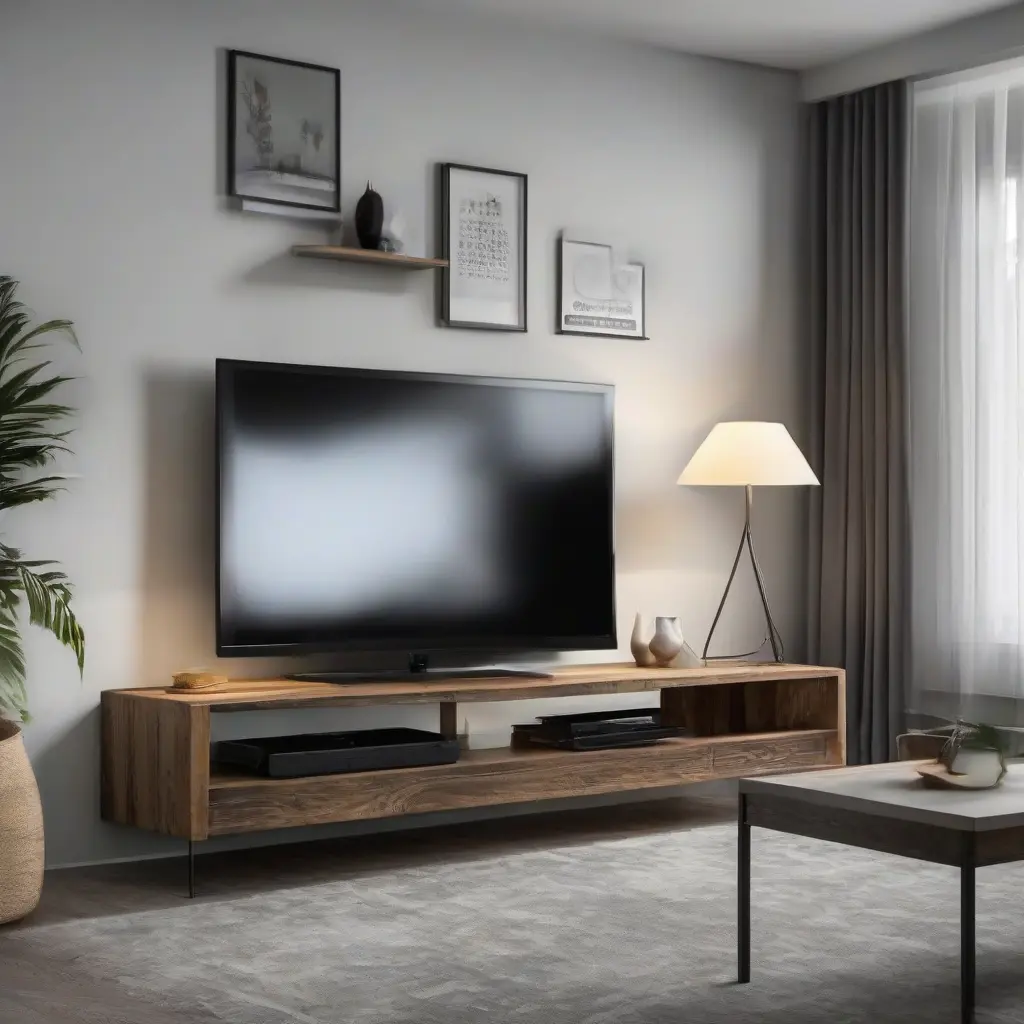
Selecting the proper size for your area rug is crucial to achieving a balanced look in your living room. A rug that is too small can make the space feel disjointed, while one that is too large can overwhelm the room’s dimensions. Generally, furniture should sit on the rug, with at least the front legs of sofas and chairs resting on it. For defined seating areas, aim for a rug that extends approximately 12-18 inches beyond the furniture. Measure your space carefully before making a decision to ensure the rug complements your living room’s layout.
Selecting the Right Material
The material of your area rug significantly affects its appearance, durability, and maintenance requirements. Common materials include wool, cotton, jute, and synthetic fibers, each offering distinct advantages. Wool rugs are known for their durability and softness, making them ideal for high-traffic areas. Cotton rugs are easy to clean and often come in diverse patterns, while jute offers a natural texture. Synthetic rugs are typically stain-resistant and affordable, but may lack the luxurious feel of natural fibers. Consider your lifestyle and cleaning preferences when choosing the right material.
Color and Patterns: Setting the Mood
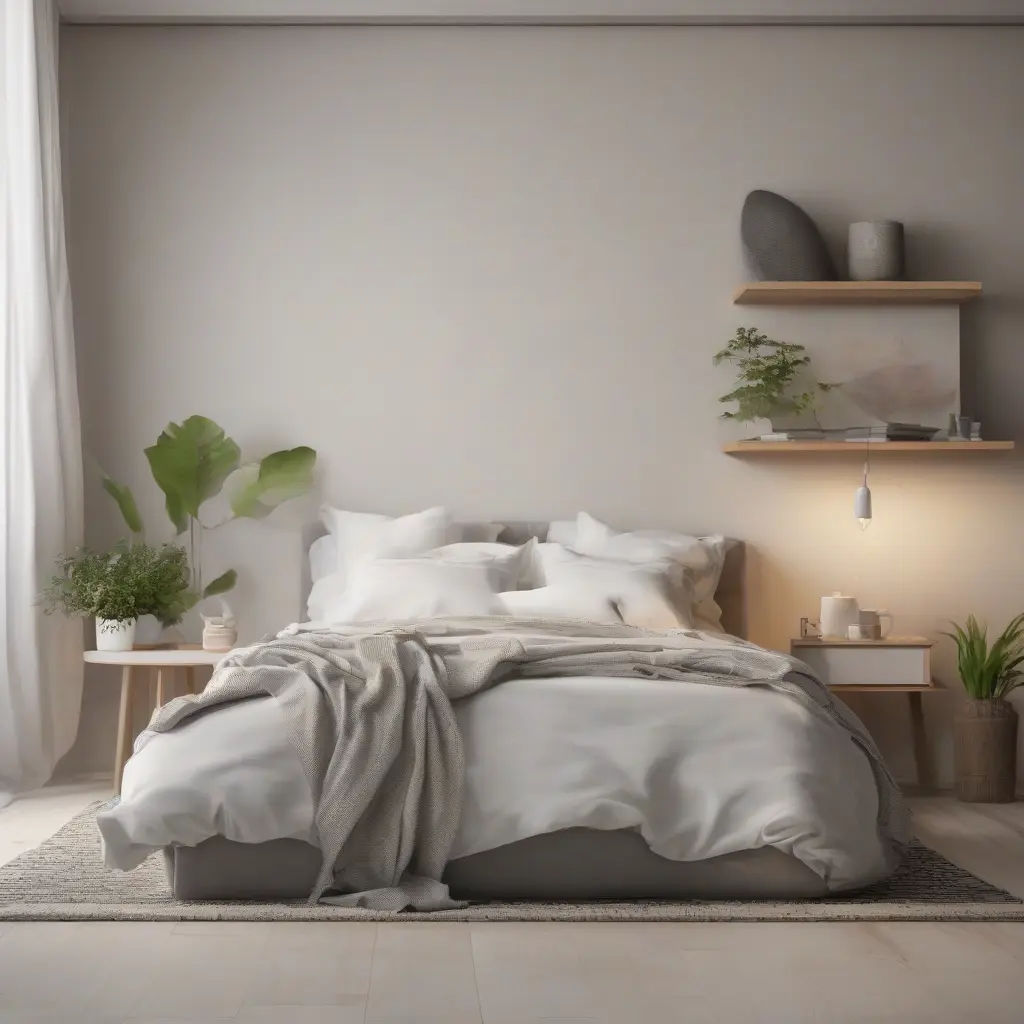
Color and pattern selection plays a vital role in establishing the mood within your living room. Neutral colors can create a serene atmosphere while bold colors can add vibrancy and energy. Floral or geometric patterns can also reflect your style and blend with existing decor elements. When choosing a color, consider the existing palette of your furnishings and walls; the rug should either complement or provide a contrasting element to enhance the overall decor. Keep in mind that lighter colors may show dirt more easily, while darker shades can hide wear and tear.
Rug Placement Techniques
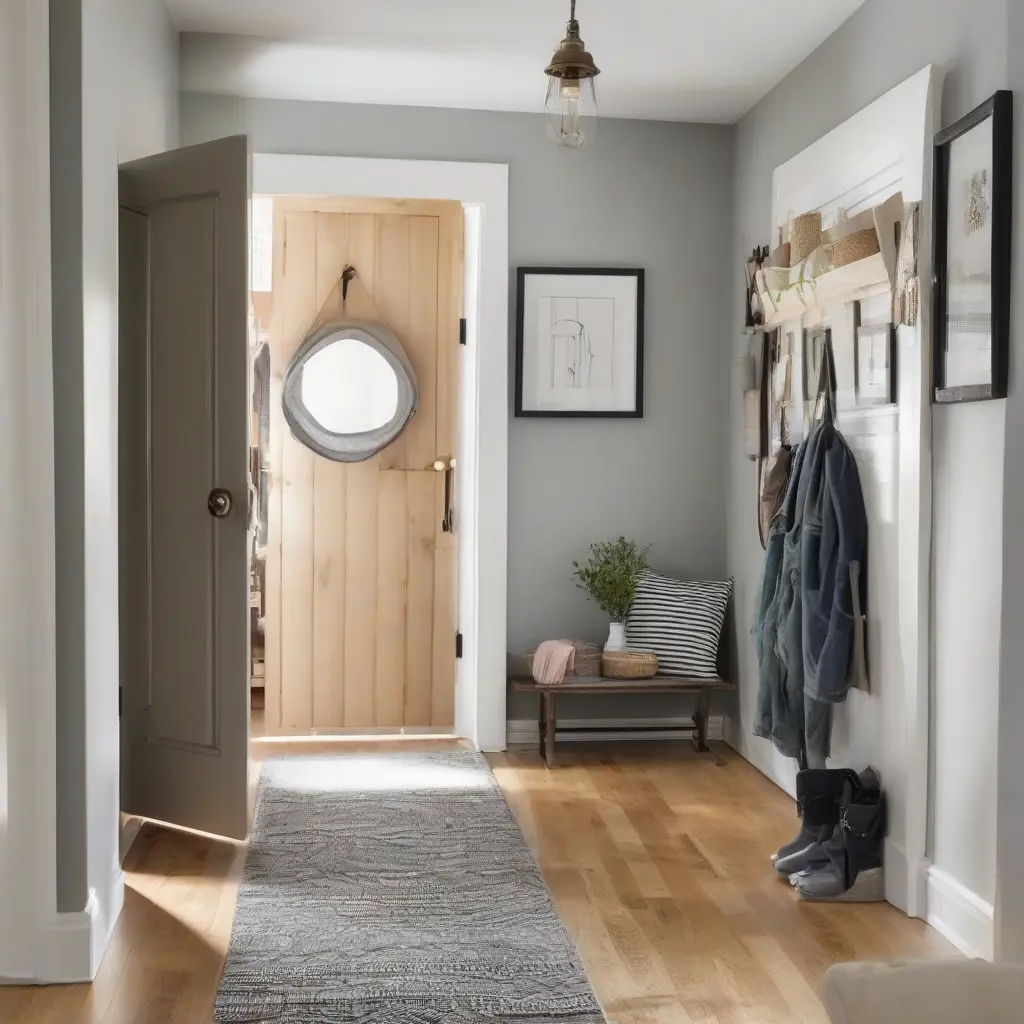
Proper rug placement is essential in maximizing the impact of your area rug in the living space. Positioning is influenced by furniture layout and the purpose of the living room. For example, in a conversational area, ensure that furniture is partially placed on the rug to create cohesion. In dining rooms, the rug should extend beyond the table to accommodate movement when chairs are pulled out. When using a rug in a multipurpose living room, consider laying it under furniture or creating distinct zones to enhance functionality. An intuitive placement can greatly improve the room’s flow and feel.
Maintaining Your Area Rug
Maintaining your area rug is crucial for its longevity and appearance. Regular vacuuming helps prevent dirt build-up and extends the life of the fibers. Depending on the material, professional cleaning may be recommended every 1-3 years to maintain its condition. Spot cleaning for minor spills is important, but be cautious of the cleaning products used, as chemicals can damage some fibers. Additionally, rotating the rug periodically helps mitigate uneven wear and ensures that faded areas receive equal exposure to light. Proper maintenance allows you to enjoy your investment for years to come.
Layering Rugs for Style and Texture
Layering rugs is a stylish and functional approach to enhancing your living room decor. This trend allows for the mixing of patterns, textures, and colors, adding depth and visual interest to the space. Start with a neutral base rug, then add a smaller, patterned rug on top to create a unique focal point. This technique not only elevates the aesthetic but can also increase comfort underfoot. Experimenting with different textures and dimensions can lead to a truly personalized look that reflects your design preferences and livability needs.
Budgeting for Your Area Rug
Establishing a budget for your area rug is crucial, as prices can vary significantly based on size, material, and design. While it can be tempting to choose a cheaper option, investing in a quality rug is often more economical in the long run, considering the durability and aesthetic benefits. Set a price range that feels comfortable, and explore both inexpensive and high-end options within that limit. Keep in mind that sales, clearance items, and online shopping can provide opportunities to find quality rugs at more accessible prices. A well-chosen area rug is an investment in your home.
Conclusion
In conclusion, choosing the perfect area rug for your living room involves careful consideration of size, material, color, and placement. By understanding the distinct features that rugs offer, you can make an informed decision that enhances both the aesthetic and functionality of your space. Whether you prefer a bold statement piece or a subtle complement, the right rug can transform your living area into a cohesive, inviting environment that reflects your style and meets your practical needs.