Arranging furniture in a small room can be a daunting challenge, yet it’s crucial for creating a functional and inviting space. Optimal flow enhances movement and accessibility, ensuring the room feels less cramped. By employing strategic planning and understanding effective design principles, you can transform your small room into a comfortable haven. This guide will explore practical tips and layout strategies to elevate your small living space, making the best use of limited dimensions while ensuring style and comfort.
Understanding Space Planning Basics
The first step in arranging furniture in a small room is understanding the basics of space planning. Begin by measuring your room’s dimensions and creating a floor plan to visualize your layout. Identify key functional areas, such as seating, storage, and walking paths. Keep in mind that proper space planning can enhance the functionality of the room. This strategy allows you to assess your needs and determine how much space to allocate for each function while maintaining a smooth flow throughout the area.
Choosing the Right Furniture
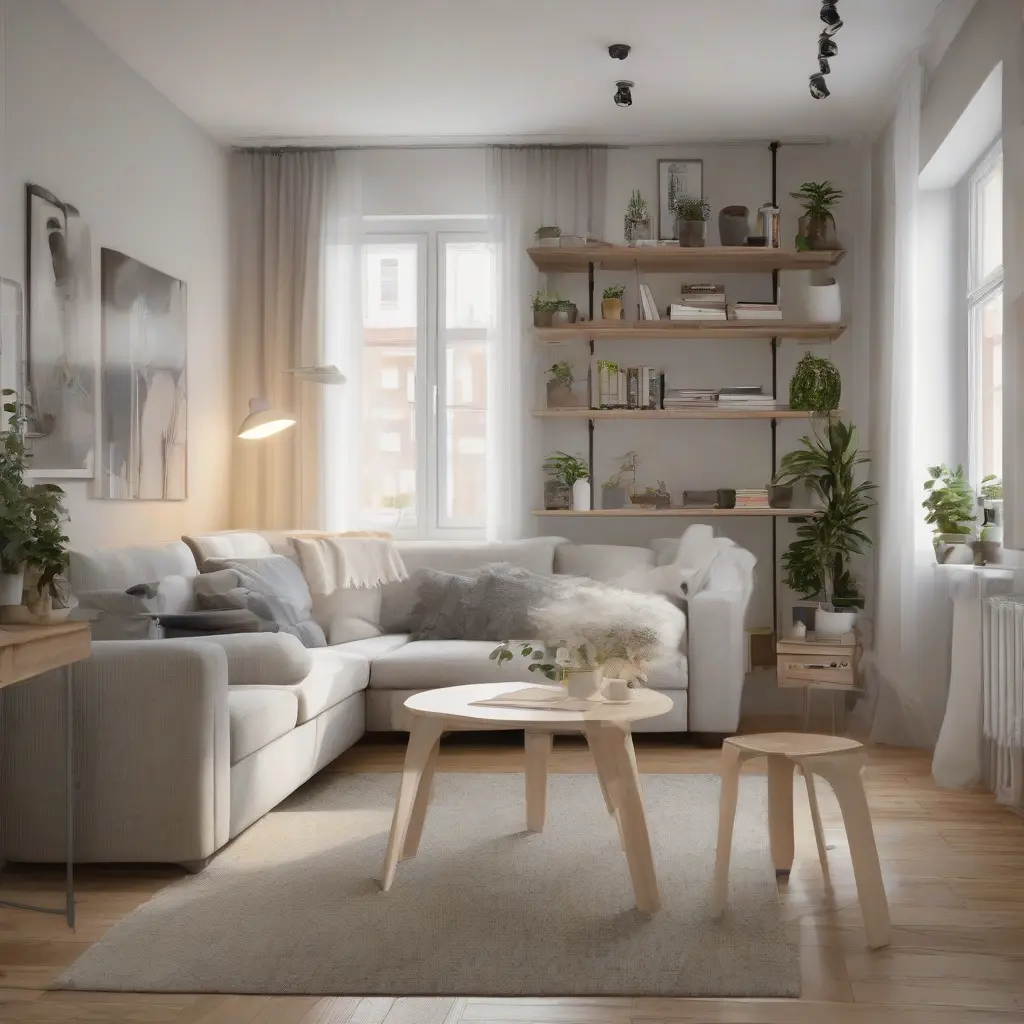
Selecting the right furniture is essential for optimizing space in a small room. Opt for smaller-scale, multi-functional pieces such as a sofa bed or a coffee table that doubles as a storage unit. Light-colored and sleek furniture can create an airy feeling, making the room seem larger. Additionally, consider transparent materials like glass for tables or acrylic chairs that don’t obstruct the visual flow in the room. This careful selection can prevent overcrowding while ensuring all necessary elements are present.
Arranging Furniture for Flow
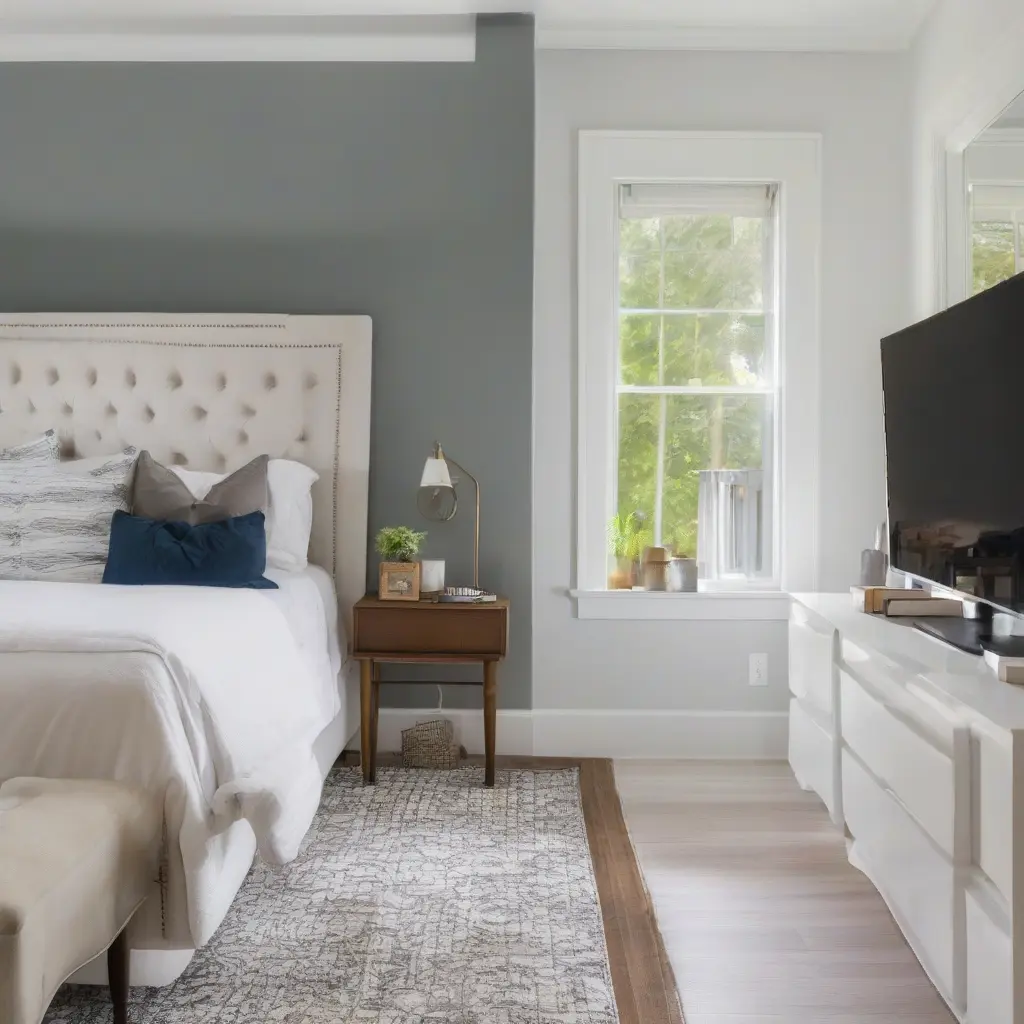
To achieve optimal flow, arrange your furniture to facilitate movement and enhance usability. Start by placing larger furniture, like the bed or couch, against the largest wall. Align seating to encourage conversation while maintaining open pathways for easy navigation. An ideal arrangement avoids obstructing any entry points or windows, allowing natural light to enter the space. Regularly reassess your flow to ensure that movement remains effortless, adjusting pieces as needed to maintain a functional environment.
Creating Zones in a Small Room
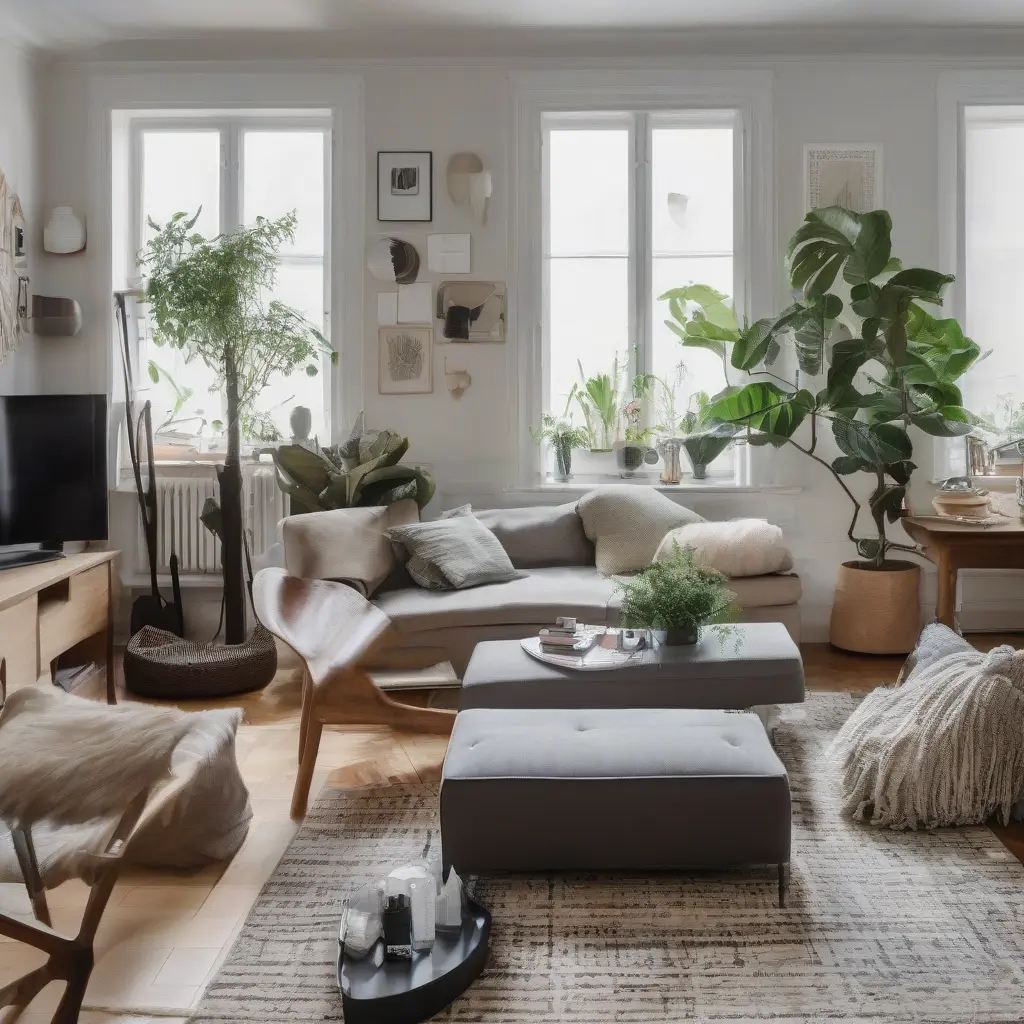
Defining specific areas or zones within a small room can significantly enhance its functionality. For example, use rugs to separate a seating area from a workspace, creating distinct zones. Each zone should serve a different purpose while appearing cohesive with the overall room design. This method also helps to visually enlarge the space, providing clarity in multipurpose living environments. Utilize furniture to define these areas, such as placing a bookshelf to separate a living space from a sleeping area.
Incorporating Vertical Space
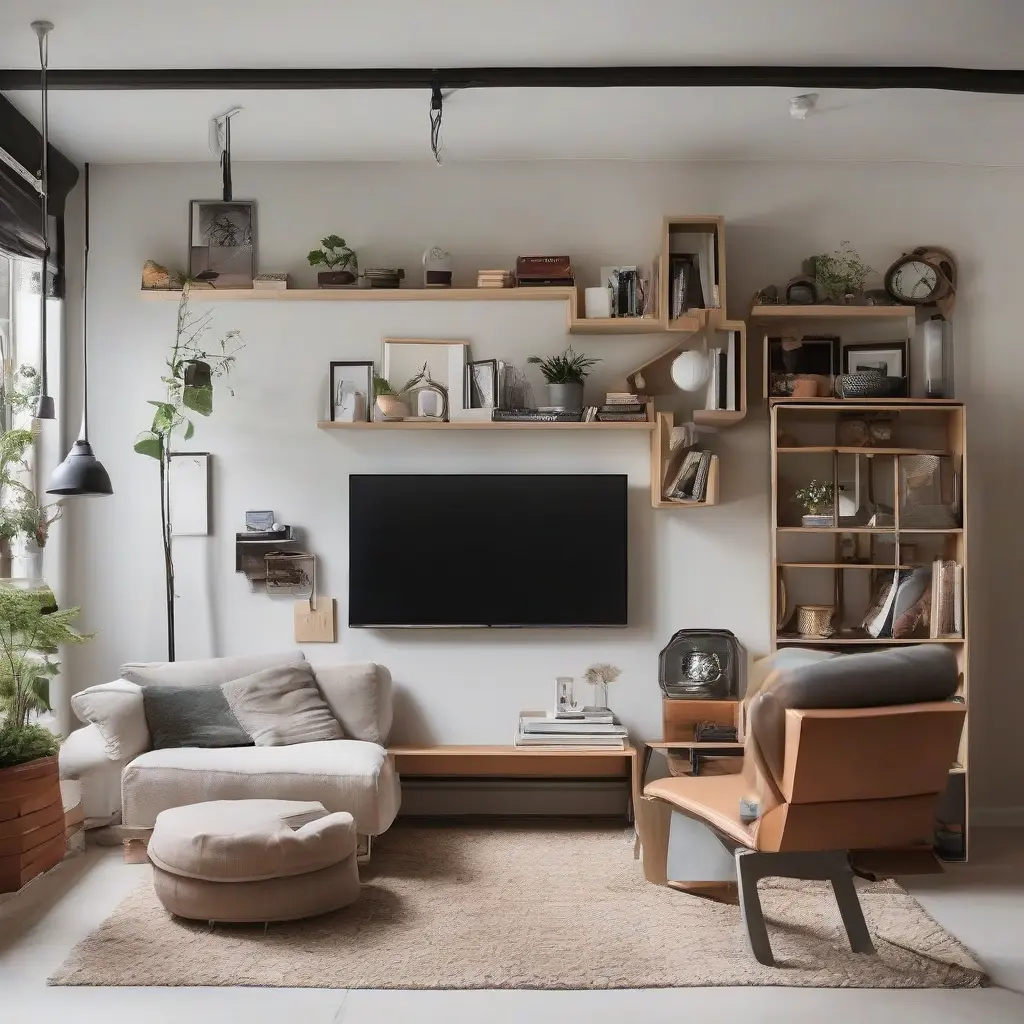
In small rooms, maximizing vertical space is crucial. Utilize wall-mounted shelves, pegboards, or tall cabinets that draw the eye upward, creating the illusion of height while providing necessary storage. Hanging plants or artwork also emphasizes vertical lines, enhancing the room’s aesthetic while making it feel more open. Additionally, avoid bulky furniture that takes up ground space, opting instead for taller, slender designs that complement the room’s proportions. This approach not only organizes items but also enhances airiness.
Utilizing Mirrors for Depth
Strategically placing mirrors in a small room can dramatically affect its perceived size. Mirrored furniture or wall mirrors reflect light, creating depth and enhancing the room’s overall brightness. Consider placing a large mirror opposite a window to amplify natural light or adding smaller mirrors in corners to open up the space. This visual trick not only increases brightness but can make a small room feel larger and more inviting. The reflective properties also lend a sense of sophistication if positioned thoughtfully.
Keeping Clutter at Bay
Reducing clutter is critical to maintain an airy feel in a small room. Ensure every piece of furniture has a purpose and avoid excessive decorations that can overwhelm the space. Invest in smart storage solutions, such as baskets, bins, or hidden storage under beds and couches. Regularly reassess your belongings to determine what’s necessary, donating or discarding items that no longer serve a purpose. Keeping surfaces tidy will not only improve functionality but also enhance the overall aesthetic of the room.
Flexibility with Furniture Arrangement
In a small room, flexibility in furniture arrangements can provide the adaptability needed for different occasions. Use lightweight furniture that can easily be moved, allowing for quick reconfiguration based on your needs. For instance, extra seating such as poufs or folding chairs can be stored when not in use, making space available for gatherings or other activities. By being responsive to your daily life, you ensure that the arrangement actively fits your routine and contributes to the room’s functionality.
Maintaining Visual Continuity
Visual continuity across your small room can have a considerable impact on its cohesion. Choose a consistent color palette to tie together furniture and decor. Harmonious shades can create a seamless flow that unites various elements within the space. Additionally, opt for similar materials or styles for furniture pieces to establish a unified look. This tactic helps in minimizing visual chaos, making the small room feel less cluttered and more cohesive while still reflecting your personal style.
Conclusion
Arranging furniture in a small room for optimal flow is a rewarding design challenge that enhances both functionality and aesthetics. By implementing space planning principles, choosing the right pieces, and embracing smart arrangement strategies, you can maximize every corner of your space. With a focus on creativity and adaptability, your small room can become a well-organized and welcoming retreat that suits your lifestyle.